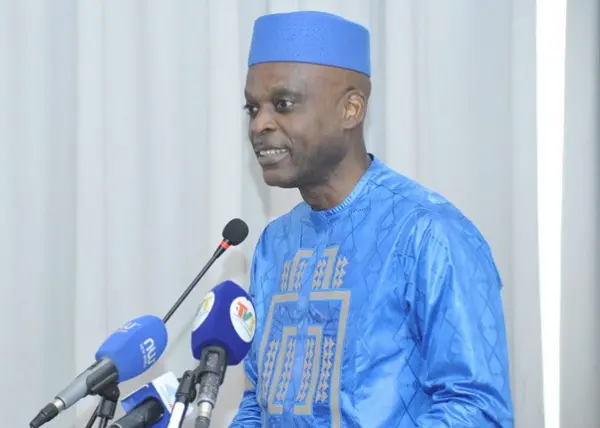
Togo has ushered in its new diplomatic season with a bold message, Africa must chart its own path in global affairs. At the launch in Lomé, Foreign Minister Robert Dussey framed the year’s theme as “Africa’s Strategic Autonomy,” calling on African nations to redefine their place in a world marked by shifting power balances.
This comes at a time when Africa’s value on the global stage is increasingly evident. Major players, Turkey, the UAE, Qatar, India, and Brazil, are deepening investments in the continent, seeking influence not just through trade, but also through political and security partnerships. Yet, as Dussey noted, the challenge is ensuring that these partnerships do not trap Africa in cycles of dependency. Instead, the goal must be to transform diplomacy into a genuine engine for economic independence and sustainable development.
Why strategic autonomy matters
For decades, Africa’s diplomacy has often been shaped by external agendas, aid conditionalities, donor priorities, and geopolitical rivalries. But the global landscape is shifting. The rise of the Global South, climate negotiations, and fierce competition over natural resources all position Africa as a central player. Strategic autonomy is not about isolation; it is about agency. It means African states negotiating from a position of strength, setting terms that reflect their own priorities, and protecting their sovereignty while remaining globally connected.
Togo’s initiative taps into a wider continental sentiment. From the African Union’s pursuit of financial independence to regional economic blocs pushing for integrated markets, there is a growing recognition that Africa must move beyond being a passive recipient of external designs.
A roadmap for action
Togo has also approved a diplomatic roadmap that seeks to use foreign policy as a tool for economic transformation. This includes:
- Positioning Togo as a diplomatic hub for dialogue between Africa and emerging powers.
- Leveraging economic diplomacy to attract investment aligned with national and continental development priorities.
- Strengthening South-South cooperation, particularly with countries that have walked a similar path of asserting autonomy.
By grounding diplomacy in development outcomes, Togo is setting an example for how small states can punch above their weight on the international stage.

The Bigger Picture
The call for African strategic autonomy resonates beyond Togo. It is part of a broader continental push to reclaim narrative power and shape Africa’s future on its own terms. Whether in negotiations on climate finance, security partnerships, or trade agreements, the message is clear: Africa is no longer just a theatre for global competition, it is a decisive actor in global governance.
As the world tilts into new multipolar realities, Togo’s diplomatic season opener is more than symbolic. It is a reminder that the real strength of Africa lies not only in its resources, but in its ability to stand united, define its interests, and negotiate partnerships that serve its people first.