A new chapter for the Sahel
For decades, the Sahel region has been associated with conflict, instability, and economic hardship. But in 2025, something remarkable is unfolding. Burkina Faso, Mali, and Niger, three countries that have often been on the defensive in global narratives, are charting a bold new course through the Alliance of Sahel States (AES).
What began as a security pact has transformed into an ambitious experiment in regional integration and sovereignty. The AES is no longer just about defending borders; it’s about building a future where Sahelian nations take control of their economic, political, and security destiny.
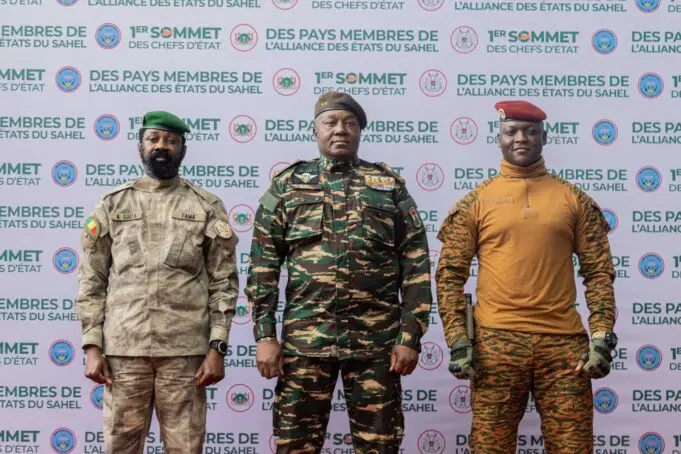
From left, Colonel Assimi Goíta of Mali, General Abdourahamane Tchiani of Niger and Cpatain Ibrahim Traore of Burkina Faso.
A currency of independence
The most striking initiative is the AES’s plan for a common currency. For decades, debates around the CFA franc have raised questions about colonial legacies and economic dependence. By designing their own currency, the AES is making a powerful statement: true independence must include financial sovereignty.
Of course, the challenges are immense, from stabilizing inflation to securing regional trust, but history shows that daring moves often carry the greatest potential for transformation.
Building Sahelian institutions
The AES isn’t stopping at currency. It has announced the creation of a Confederal Investment Bank (CBID) to fund critical infrastructure, energy, and agricultural projects. This is more than financial housekeeping, it’s an attempt to redirect development financing into homegrown priorities, rather than waiting for external lenders.

Equally significant is the plan for a regional criminal court, designed to prosecute cross-border crimes such as terrorism, trafficking, and corruption. Together, these institutions reflect a vision of governance that pairs sovereignty with collective accountability.
Security beyond the battlefield
Initially, the AES was seen as a response to terrorism and military instability. Today, however, it is redefining what collective security means. True stability, the bloc argues, must rest not just on armies but also on economic strength, social cohesion, and judicial fairness.
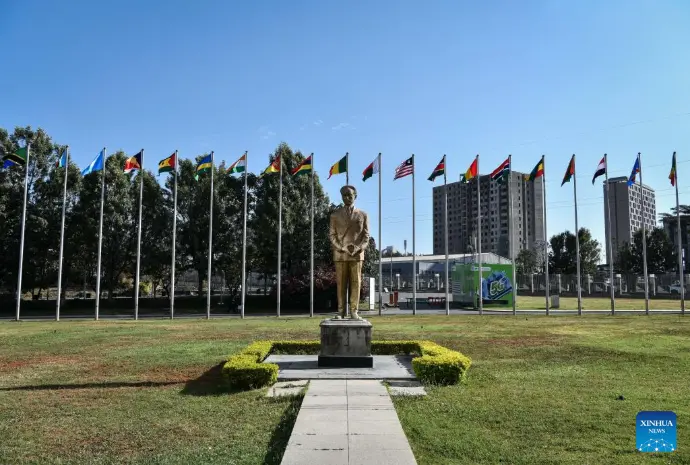
Why the AES matters for Africa
The AES’s bold experiment is bigger than the Sahel. It speaks to a continental trend: African nations are seeking African solutions to African challenges. While the African Union (AU) champions unity at the continental level, sub-regional blocs like the AES can act as testing grounds for innovation, sovereignty, and integration.
If the AES succeeds, it could inspire other regions to pursue deeper autonomy, reshaping how Africa engages with the world. If it falters, it will still have set an important precedent: that the Sahel is no longer content to be defined by outsiders, but determined to write its own story.
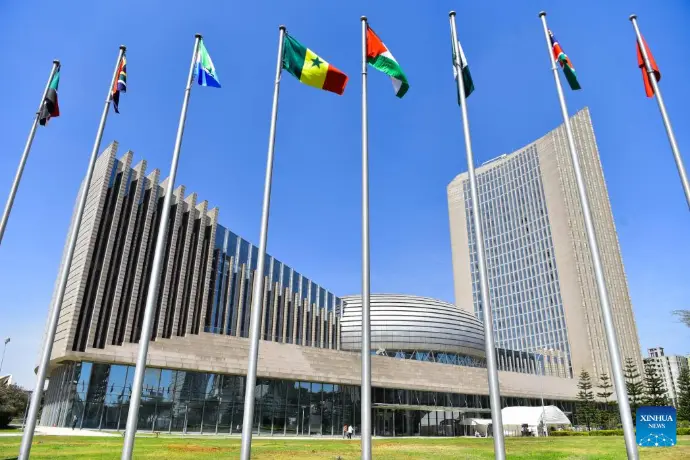
African Union (AU) Headquarters in Addis Ababa, capital of Ethiopia. (Xinhua/Han Xu)
The Alliance of Sahel States is a gamble, one that carries risks, but also enormous potential. For once, the Sahel is making headlines not because of crisis, but because of vision and ambition. In choosing sovereignty, integration, and bold reform, the AES may well be planting the seeds of a new era in African diplomacy.