In recent years, diplomacy in North Africa has taken a new turn. Instead of relying solely on formal negotiations or traditional alliances, governments are increasingly using non-traditional tools to gain leverage on the global stage. Migration flows, energy exports, and security partnerships have become powerful bargaining chips, a strategy some analysts now call “tactical diplomacy.”
This shift is not just about politics at the negotiation table. It’s about using everyday realities, like who controls energy pipelines, who manages migration routes, or who provides counter-terrorism support, to influence powerful partners such as the European Union.
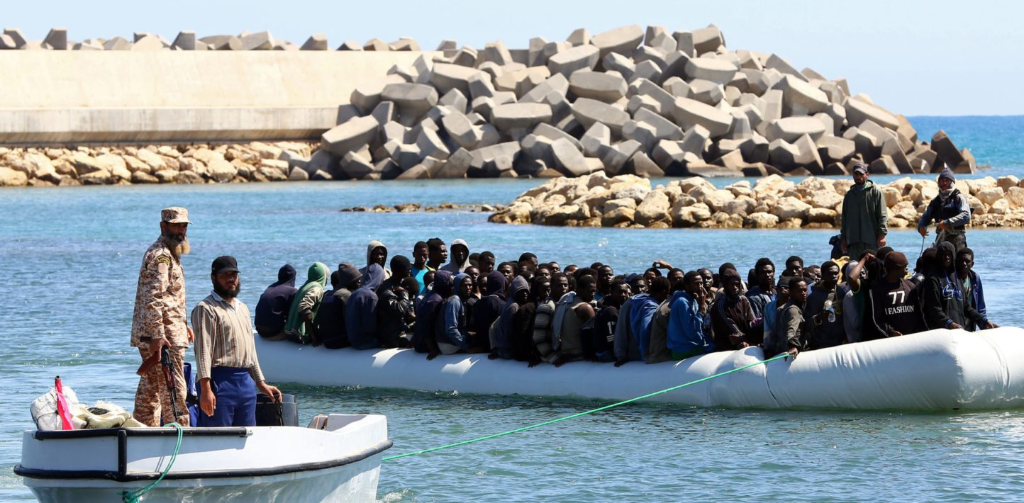
For countries like Tunisia and Libya, migration is more than a humanitarian challenge; it’s a form of diplomatic currency. By controlling the flow of migrants and refugees into Europe, these states hold a card that EU leaders cannot ignore. In moments of crisis, agreements and aid packages are often tied to how well North African states manage or contain migration routes.
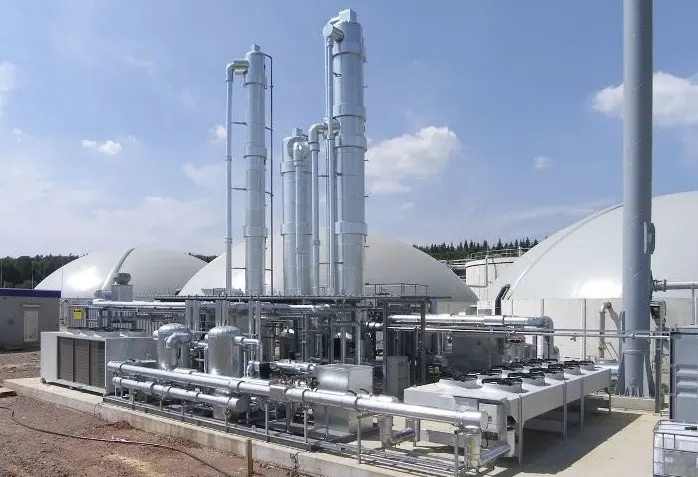
Algeria has long relied on its natural gas exports as a key diplomatic tool. With Europe seeking alternatives to Russian energy, Algeria’s role has grown even more significant. Energy deals are no longer just economic; they shape broader relations, creating dependencies that boost Algeria’s negotiating power.
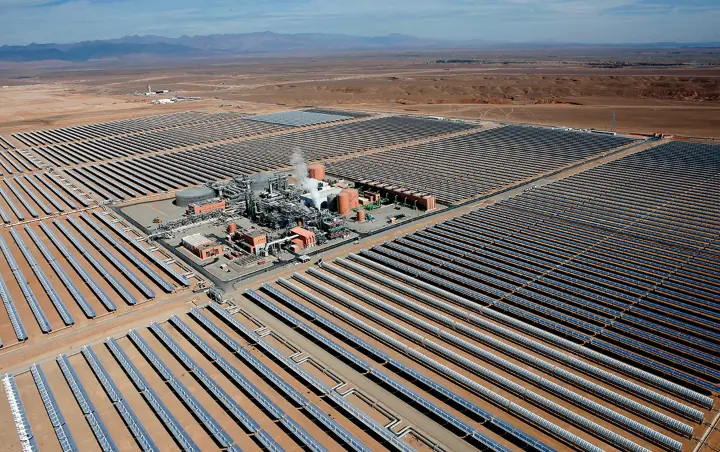
Morocco, meanwhile, has positioned itself as a renewable energy leader, especially in solar power. By investing heavily in green energy, Morocco is not just diversifying its economy but also building new pathways of influence with Europe and beyond.
Security remains another lever. Cooperation on counter-terrorism, intelligence sharing, and border control strengthens North African states’ roles as regional power brokers. Yet, it also creates delicate balances, as seen in strained relations between France and Mali, where security ties can quickly unravel.
In truth, these strategies are not entirely new. Countries have always used resources and geography to their advantage. What’s different today is how visible and deliberate these tactics have become especially in the context of shifting global politics, climate pressures, and Europe’s own vulnerabilities.
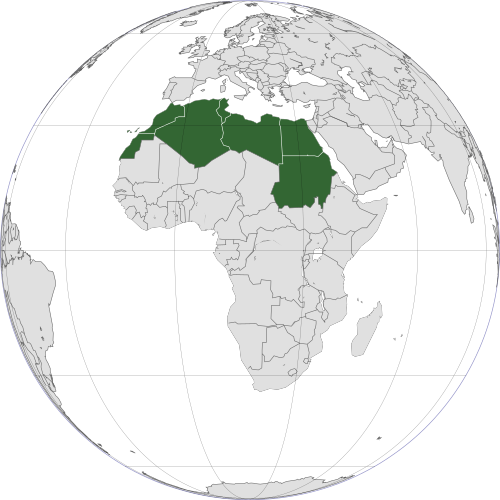
For North African governments, tactical diplomacy offers short-term wins and stronger voices on the global stage. But it also comes with risks. Over-reliance on migration or energy as bargaining tools could strain internal politics and deepen social tensions at home.
Still, one thing is clear: in today’s interconnected world, diplomacy is no longer confined to embassies and summits. It is happening on the borders, in the oil fields, and across the desert trade routes of North Africa.
Source: Middle East Institute – North Africa’s experiment in tactical diplomacy