As the countdown begins for the second Africa Climate Summit (ACS2) in Addis Ababa, all eyes are on a high-profile European guest: Teresa Ribera, Executive Vice-President of the European Commission. Scheduled for September 7–8, her visit is more than a routine diplomatic stop, it signals the EU’s deepening partnership with Africa on climate action, resilience, and sustainable development.
The Africa Climate Summit has quickly become a crucial platform for shaping the continent’s climate agenda, linking domestic priorities with global commitments. This year’s edition comes at a critical moment, as African states grapple with the escalating costs of climate change: prolonged droughts, devastating floods, and food insecurity that disproportionately affect vulnerable populations. Against this backdrop, the EU’s engagement reflects both solidarity and strategy.
Ribera’s agenda in Addis Ababa will focus on three main pillars: climate adaptation, international carbon markets, and climate financing. Through the EU’s Global Gateway initiative, Europe is pushing to mobilise billions in investment for green energy, sustainable infrastructure, and nature-positive projects across Africa. By doing so, Brussels is not only contributing to resilience but also positioning itself as a long-term partner in Africa’s low-carbon transition.
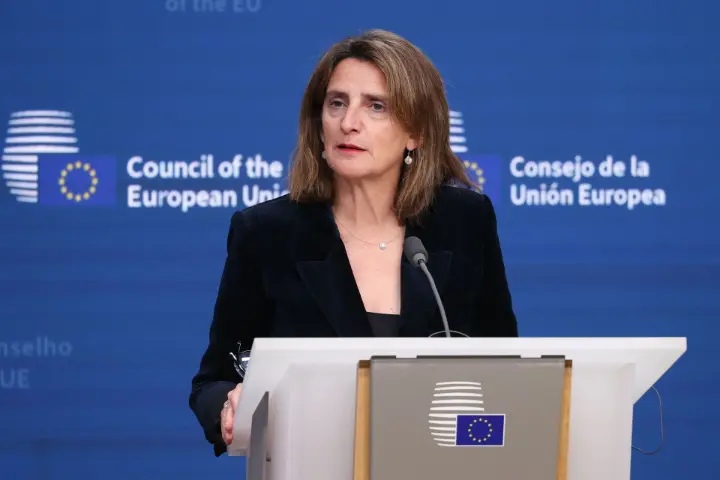
What makes this summit particularly important is its emphasis on financing, a perennial stumbling block in global climate diplomacy. African leaders have consistently stressed that while the continent contributes less than 4% of global emissions, it bears some of the heaviest costs of climate change. Ensuring access to fair, predictable, and scalable financing will therefore dominate discussions. Ribera’s participation offers the EU a chance to demonstrate that it is listening, and to move beyond pledges toward tangible partnerships.
Beyond policy, her presence carries symbolic weight. It reflects the EU’s recognition that Africa is not merely a recipient of aid but a key actor in shaping global climate governance. With its rich natural resources, youthful population, and growing renewable energy sector, Africa has the potential to drive innovative climate solutions that resonate well beyond its borders.
As the Summit unfolds in Addis Ababa, the spotlight will be on whether this renewed EU–Africa climate diplomacy can deliver practical outcomes: financing that flows, projects that scale, and partnerships that empower. For Teresa Ribera, the trip is a test of Europe’s credibility in climate leadership. For Africa, it is an opportunity to reassert its agency on the global stage.
In the words of many African negotiators, “climate action is development action.” The EU’s engagement at ACS2 must therefore be judged not by speeches, but by the deals, investments, and commitments that follow.