Sub-Saharan Africa is standing at a critical economic crossroads. Rising debt burdens, dwindling foreign aid, and global economic instability have combined to create one of the most fragile financial environments the region has faced in decades. Without urgent systemic reform and global support, the continent could slide into a full-blown financial crisis, with consequences that extend far beyond Africa’s borders.
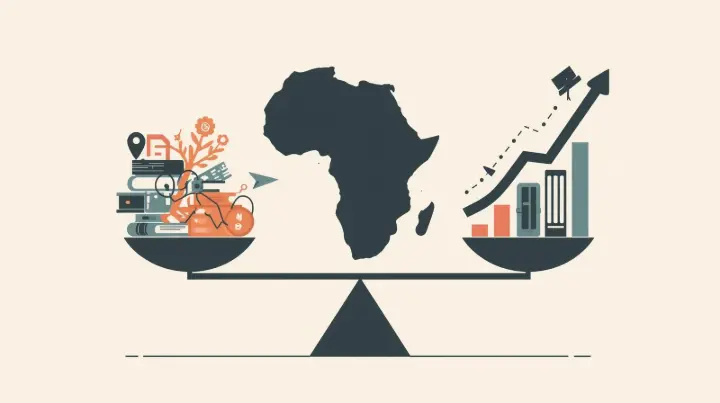
At the heart of this challenge lies debt. Many African governments, already grappling with post-pandemic recovery, are now spending more on debt servicing than on critical sectors like health and education. This imbalance threatens not only economic growth but also social stability. Meanwhile, the decline in aid and concessional financing has left governments increasingly reliant on costly commercial loans, pushing the debt cycle further out of control.
The experience of Zambia illustrates this dilemma. In 2020, Zambia became the first African country to default during the pandemic, saddled with more than $17 billion in external debt. After years of difficult negotiations, a restructuring deal was finally reached in 2023 with bilateral creditors led by China and the Paris Club. Yet, progress was painfully slow, highlighting the weaknesses of global debt frameworks and the urgent need for a more efficient, equitable system. Ghana faces similar struggles, underscoring that this is not an isolated crisis but a continental challenge.
But Africa’s crisis is not Africa’s alone. The continent’s financial instability risks triggering ripple effects across global markets, fueling migration pressures, disrupting trade, and amplifying geopolitical tensions. For this reason, Africa’s economic future must be understood as a shared responsibility, requiring collective solutions rooted in diplomacy and reform.
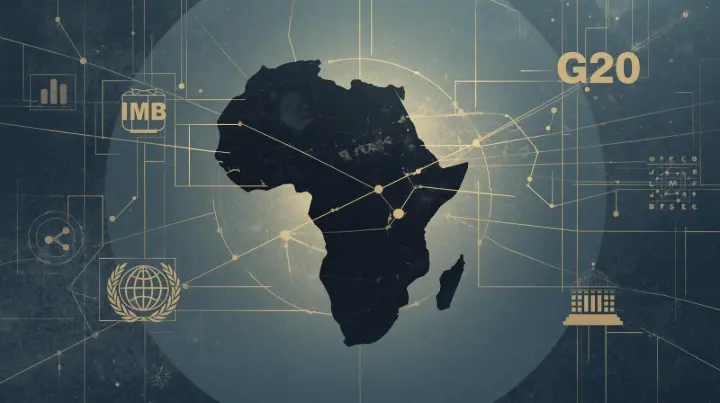
Institutions like the IMF and World Bank sit at the centre of this debate. For years, African leaders and economists have argued that these bodies must evolve beyond short-term relief and embrace systemic reforms that prioritise fairer lending terms, longer repayment horizons, and more inclusive decision-making structures. The recent push for debt restructuring frameworks, such as the G20’s Common Framework, marks a step forward, but progress has been slow, and many African nations remain caught in prolonged negotiations while their economies deteriorate.
This is where African diplomacy becomes indispensable. From the African Union to regional blocs like ECOWAS and SADC, coordinated advocacy is needed to ensure Africa’s voice is not just heard but acted upon in global financial forums. The continent’s leaders are increasingly pressing for a greater say in shaping international economic policies, whether through G20 participation, representation in IMF decision-making, or calls for reforming credit rating systems that consistently disadvantage African economies.
The path forward demands courage and unity. Diplomacy must be wielded not only to negotiate debt relief but also to push for structural reforms that give African nations a fairer chance at long-term economic resilience. This includes championing investment in sustainable industries, strengthening intra-African trade under the AfCFTA, and ensuring that financial systems are designed to serve people rather than markets alone.
Africa’s economic fragility may be cause for concern, but it is also an opportunity, an opportunity for the continent to lead a new conversation on global financial reform. For the international community, it is a reminder that Africa’s stability is not optional, it is essential to the world’s prosperity.