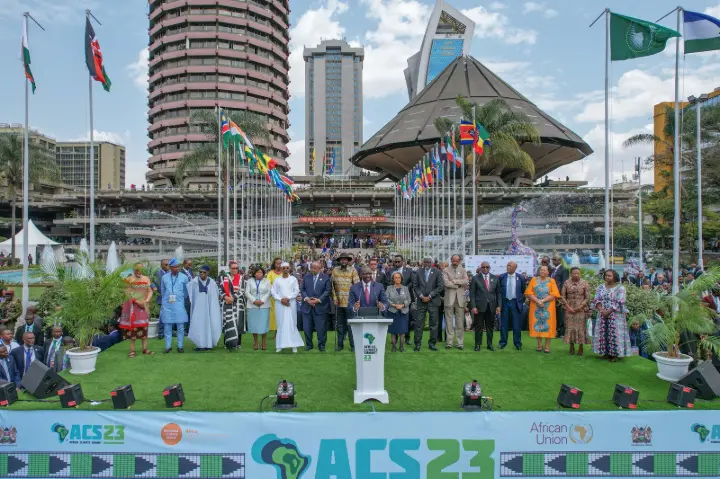
Africa’s climate diplomacy has moved from moral appeal to strategic bargaining. Summits in Nairobi (2023) and Addis Ababa (September 2025) placed a bold roadmap on the table, from a call to scale renewables massively to demanding finance re-designed as investment, not charity. But two years after Nairobi’s fanfare, the hard question remains: how much of that promise has been delivered? Africa Climate Summit
Promises on the table
The Nairobi Declaration set a striking target: increase Africa’s renewable generation from roughly 56 GW (2022) to at least 300 GW by 2030, push for value-added processing on the continent, and press wealthy nations to honour long-standing finance pledges. Addis Ababa this month reinforced that push, rebranding the ask as climate investment and launching continental initiatives to mobilise funding and innovation. African Union
Reality: finance and delivery gaps
Numbers show progress, climate finance flows to Africa rose to about USD 44 billion in 2021/22 (a 48% jump from earlier years), yet this is still a fraction of what’s needed. UN and multilateral estimates put Africa’s climate funding shortfall in the trillions (the UN has warned of a multi-trillion dollar gap to 2030), and much of the money that does arrive is debt-creating loans rather than grants, worsening fiscal stress. That mismatch undercuts the continent’s ability to scale adaptation and resilient infrastructure at speed. Climate Policy Initiative
Who’s stepping up and who’s stuck?
There are bright spots. Kenya is expanding geothermal capacity (Olkaria projects and new approvals) and piloting green-hydrogen ambitions, a practical example of turning renewables into industrial advantage.
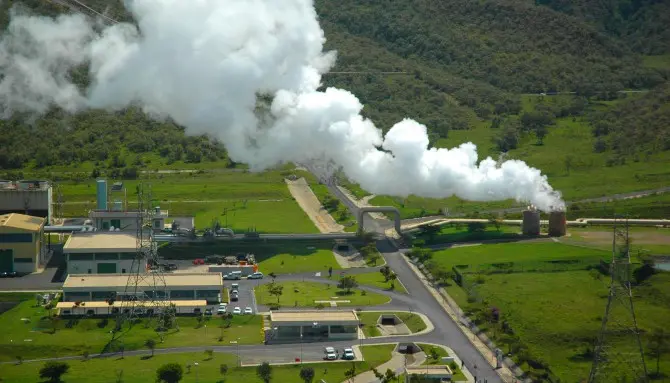
Wellhead geothermal power plants, Olkaria
Morocco’s Noor complex remains a marquee large-scale solar project.
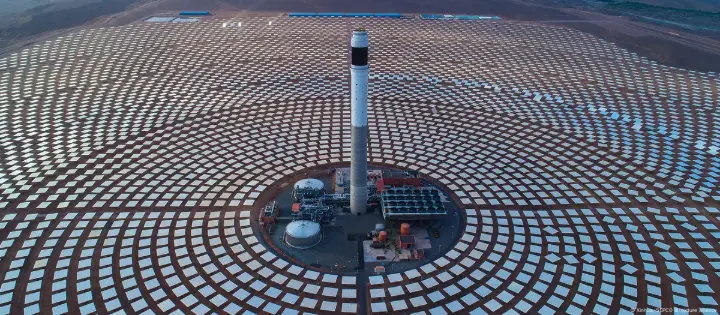
Moroccan solar power plant Noor 3 in Ouarzazate, central Morocco
South Africa leads in negotiating Just Energy Transition deals, though implementation and funding gaps have slowed rollout.
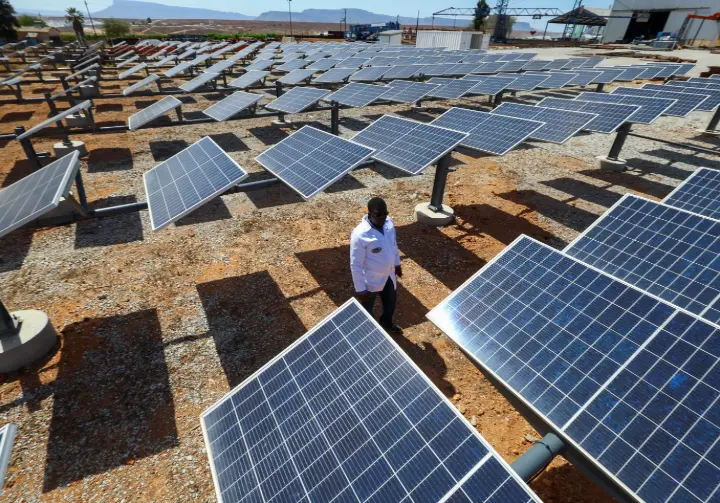
Conversely, oil-dependent economies (e.g., parts of Nigeria, Angola) face hard trade-offs between short-term revenue and long-term decarbonisation. ESI Africa
The political and practical obstacles
The constraints are structural: insufficient grant-based finance, high sovereign debt, fragmented African negotiating positions, and competing external interests (geopolitics and private investors focused on short returns). Leaders like Kenya’s William Ruto have framed the problem bluntly, accusing richer states of breaking commitments, a rhetorical signal that trust is fraying and tougher, transparent finance mechanisms are needed. Financial Times
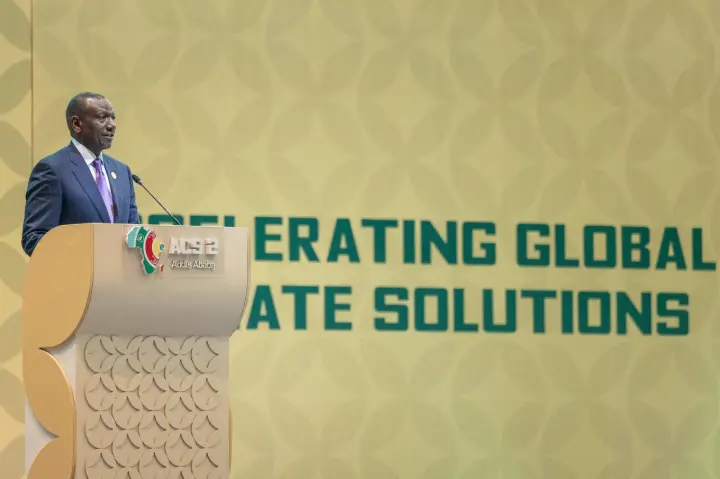
President William Ruto at the Africa Climate Summit in Ethiopia.
Bottom line
Africa’s climate diplomacy has shifted the framing, from plea to proposition, but the gulf between ambition and delivery is wide. Closing it requires clearer continental coordination, grant-heavy adaptation finance, faster project pipelines that translate renewable potential into jobs, and enforceable accountability for international pledges. If Africa can convert rhetoric into bankable projects at scale, the continent will stop waiting for solutions and start supplying them.