What happens when Africa and the Caribbean decide to stand as one on the global stage? On September 7, 2025, Addis Ababa offered an answer as leaders gathered for the second Africa - CARICOM Summit. The event brought together heads of state, diplomats, and policymakers determined to transform historic bonds into strategic partnerships.
Among the attendees was President Brahim Ghali of the Sahrawi Arab Democratic Republic, who met with delegations from across Africa and the Caribbean (Sahara Press Service). His presence underscored the inclusive spirit of the Summit, ensuring that voices from across the continent, big and small, were part of this renewed push for unity.
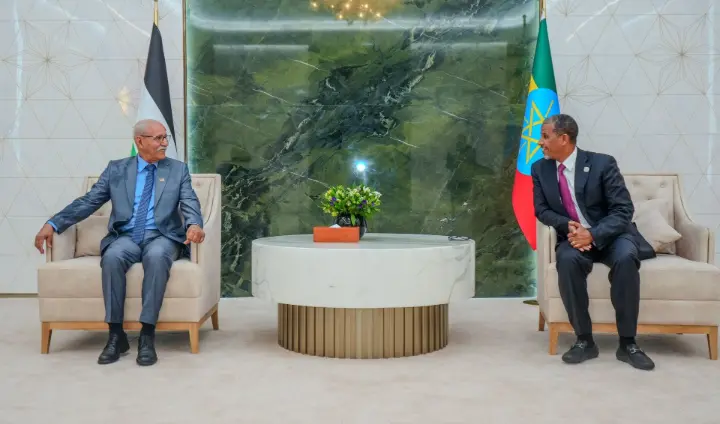
South - South Cooperation in action
For decades, both Africa and the Caribbean have faced shared challenges, economic vulnerability, climate change, and the lingering shadows of colonialism. Yet, they also share deep cultural connections and a tradition of political solidarity. The Summit sought to transform these common experiences into practical collaboration.
Talks focused on strengthening trade frameworks, enhancing transport and digital connectivity, and amplifying their joint stance in multilateral platforms. Climate diplomacy emerged as a unifying priority: small island states threatened by rising seas and African nations grappling with droughts and floods pledged to push for fairer global climate action (FAJ/IFJ Report).
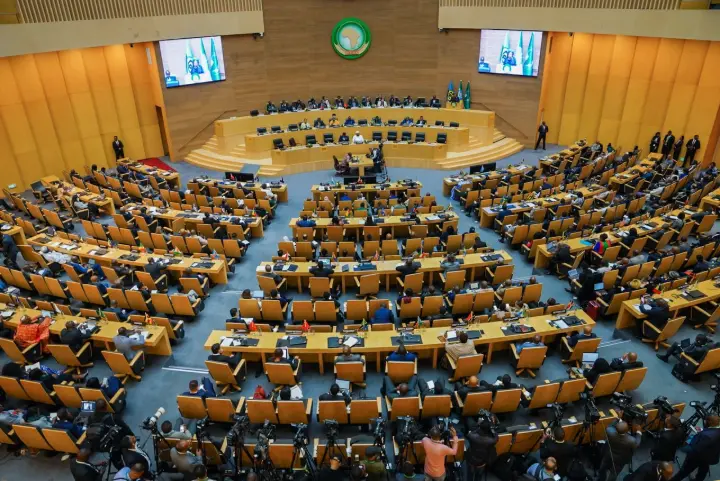
Cultural Diplomacy: Building bridges beyond borders
Leaders also highlighted the power of cultural diplomacy. From education exchanges to arts, music, and sports collaborations, cultural ties are becoming tools of statecraft. These connections don’t just celebrate heritage, they create durable people-to-people networks.
For young Africans and Caribbean citizens, such cooperation could mean scholarships, technology transfers, and joint innovation hubs. As Prime Minister Abiy Ahmed reminded delegates through his “Medemer” philosophy, meaning “synergy”, progress lies in coming together (Fana Broadcasting).
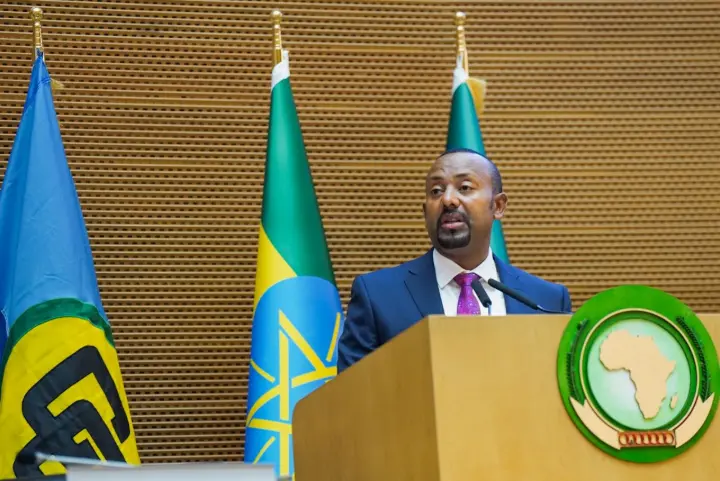
Why this matters now
The timing of this Summit is no accident. As global power blocs shift and the climate crisis deepens, regions of the Global South are realizing they are stronger together. By uniting, Africa and the Caribbean increase their bargaining power in trade negotiations, international financing, and climate forums.
The message from Addis Ababa was clear: the Global South is no longer waiting for recognition, it is building its own alliances to shape the future.