Diplomatic agreements are often celebrated as milestones in ending wars, but in Africa’s conflict hotspots, the promises made in negotiation halls rarely hold once the ink dries. Nowhere is this more evident than in Sudan and the Democratic Republic of Congo (DRC), where ongoing violence has exposed the fragile link between diplomacy and reality.
In Sudan, nearly a year and a half of brutal fighting between the Sudanese Armed Forces (SAF) and the Rapid Support Forces (RSF) has left more than 10 million people displaced and created what the UN calls “the world’s largest displacement crisis” (UNHCR). International mediators, from the U.S. and Saudi Arabia in Jeddah to the African Union in Addis Ababa, have pushed for ceasefires. Yet each truce collapses within days, with both sides accusing each other of violations. For civilians in Khartoum and Darfur, peace declarations sound hollow as airstrikes and food shortages continue.
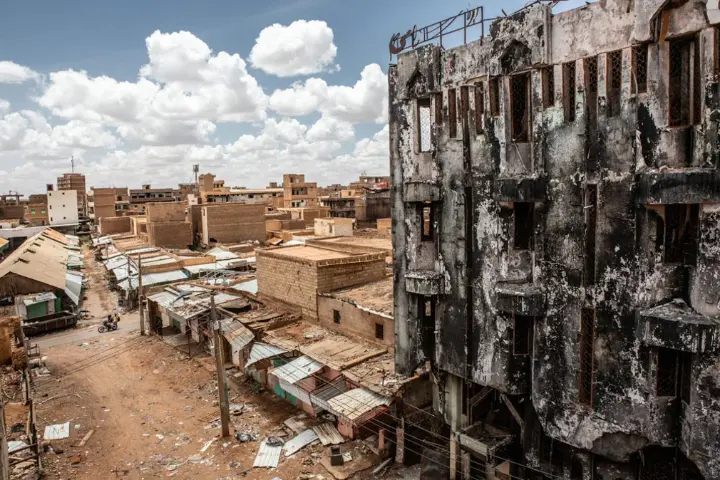
A burned-out building in the city’s Souk Omdurman neighbourhood. Photo by Sergio Ramazzotti
The DRC tells a similar story. In June, Kinshasa and Kigali pledged to ease tensions, while regional mediators in Doha sought commitments from armed groups such as the M23 and the Congo River Alliance. On paper, the peace process looked promising. But on the ground, the United Nations reports that violence in eastern Congo has intensified, displacing hundreds of thousands in North Kivu (UN News). For residents of Goma, the reality is clear: agreements signed in distant capitals rarely silence the gunfire outside their homes.
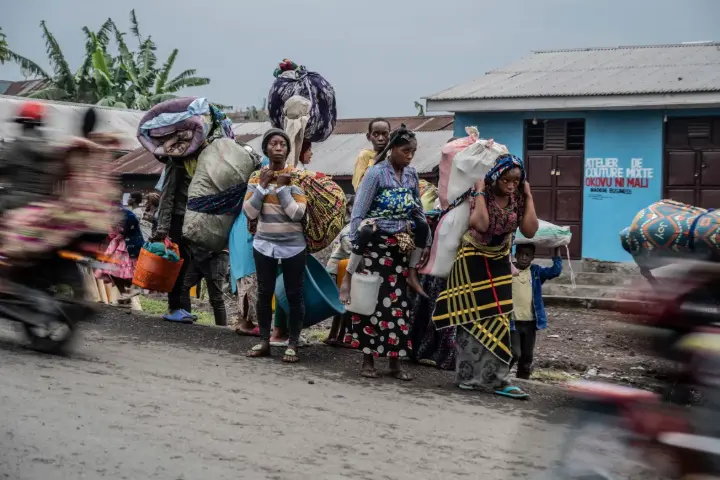
People displaced by the fighting with M23 rebels make their way to the centre of Goma in the Democratic Republic of the Congo. Photo by Moses Sawasawa/AP Photo
So why does the gap between negotiation tables and ground realities remain so wide? Analysts point to power imbalances and political incentives. Armed groups often sign agreements to gain international legitimacy or to regroup militarily, not out of genuine commitment. Mediators, meanwhile, sometimes prioritize political optics producing a deal, any deal over enforcing accountability.
This doesn’t mean diplomacy should be dismissed. Agreements remain a critical entry point for dialogue and can reduce violence temporarily. But Sudan and the DRC underscore a vital lesson: peace cannot be brokered in boardrooms alone. It requires robust monitoring mechanisms, accountability for violations, and grassroots inclusion from women’s groups to displaced communities who bear the brunt of war.
As the wars grind on, the disconnect between diplomacy and reality risks deepening public distrust. For civilians in Sudan and the DRC, what matters is not the signing ceremony but whether peace can be felt in their streets, markets, and homes. Until then, the rhetoric of diplomacy will remain a far cry from the lives it claims to protect.