Nairobi has suddenly found itself in the middle of global geopolitics after Kenyan authorities arrested a Russian diplomat accused of turning diplomacy into a recruitment front for war.
According to Kyiv Post, Mikhail Lyapin, a Russian envoy, and a local aide were detained for allegedly trying to recruit Kenyans to fight in the ongoing Russia–Ukraine conflict. Investigators say at least 21 Kenyan nationals are under investigation for possible links to the scheme.
Reports suggest that the diplomat allegedly promised visa extensions in exchange for signing up to serve in Russia’s armed forces. If true, this blurs the line between diplomacy and covert operations, raising hard questions about how far foreign missions can go on African soil.
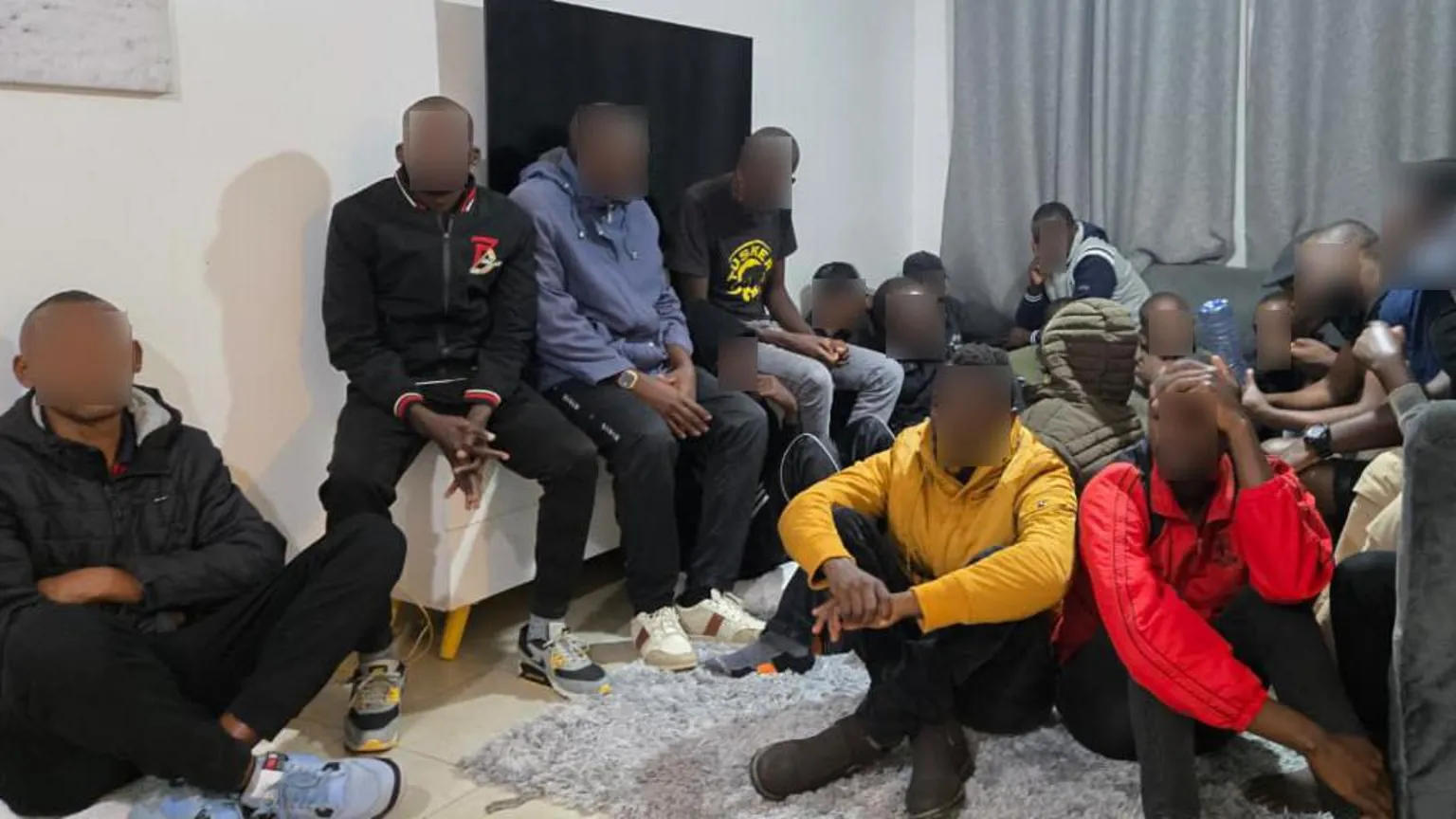
For years, Nairobi has positioned itself as a trusted diplomatic hub, hosting major UN agencies, regional negotiations, and peace talks. But this arrest shows how embassies can also become spaces for shadowy dealings.
The case underscores two realities:
- Africa’s youth are being pulled into global wars. With unemployment high, promises of visas and money can be tempting bait.
- Diplomatic immunity has limits. While envoys enjoy protection, crossing into illegal activities risks sparking serious diplomatic fallout.
This is not just a Kenya - Russia story. It reflects a broader trend where diplomacy and covert influence overlap. Countries are using soft power, recruitment, and even disinformation to advance their interests abroad.
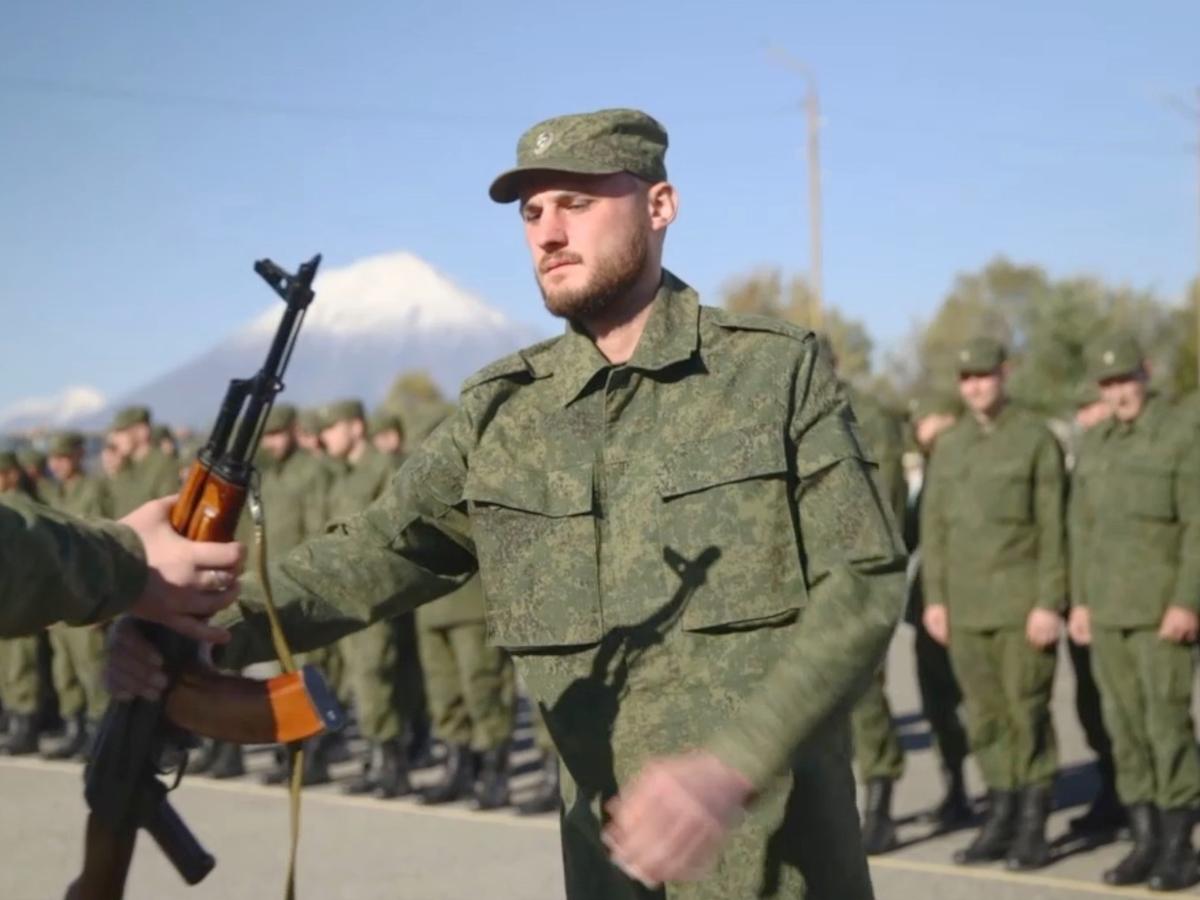
For Africa, the question is clear: How do governments protect their citizens from being exploited in global power struggles?
Kenya’s decision to act boldly against a foreign envoy sends a message but it may also test its relations with Moscow. The fallout could affect trade, security cooperation, or diplomatic ties.
This arrest is a reminder that diplomacy today isn’t only about handshakes and summits. Behind embassy walls, there may be power games that directly affect the lives of ordinary Africans.
As global rivalries spill into Africa, Nairobi’s case may just be the beginning of tougher scrutiny on what really happens under the cover of diplomacy.