When Tanzania went to the polls last week, few imagined that the outcome would echo beyond its borders. But as protests flared across major cities after a disputed election, the unrest quickly became more than a domestic issue it turned into a diplomatic test for the entire East African region.
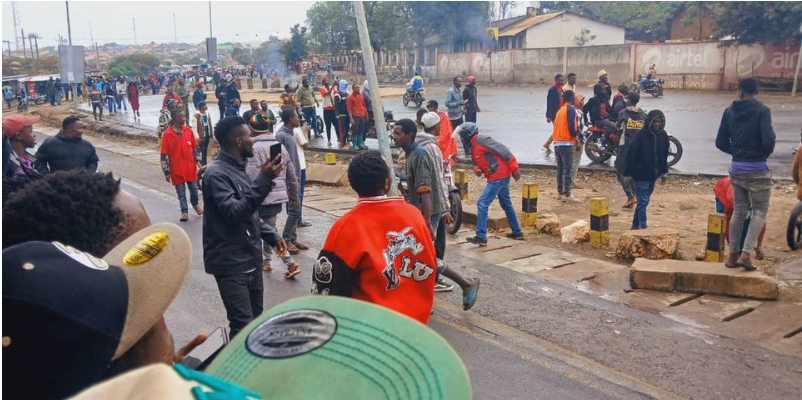
The demonstrations began after opposition groups accused the electoral commission of bias. In Dar es Salaam, Arusha, and Mwanza, police clamped down on crowds, and social media restrictions followed. Soon after, neighbouring Kenya issued a travel advisory, urging citizens to avoid non-essential trips across the border as tensions rose.
At the Namanga crossing, truck drivers complained of delays as Kenyan authorities tightened security checks. Local traders said the usually vibrant border market had gone silent.

On the Kenyan side, there is heightened vigilance and regional coordination. Nairobi’s foreign ministry called for calm, emphasizing that Kenya “respects Tanzania’s sovereignty but encourages peaceful dialogue.” Behind the scenes, diplomats from both countries are said to be in contact to prevent further escalation.
The economic cost of the unrest is already visible. Tanzania is Kenya’s sixth-largest trading partner, with cross-border trade valued at over USD 900 million annually. Prolonged instability could choke regional commerce and affect supply chains stretching from Mombasa to Kigali.
Observers also worry about refugee movements if the violence worsens. Past political crises in East Africa, from South Sudan to Ethiopia, have shown how quickly domestic instability can spill across borders, creating humanitarian pressures.
Yet amid the tension, there’s room for diplomacy to shine. Regional blocs like the East African Community (EAC) can play a mediating role, encouraging transparency and civic dialogue. The EAC’s ability to act decisively now will determine not just peace in Tanzania but the credibility of regional cooperation.
For diplomats, that’s a reminder that Africa’s borders may be drawn on maps, but peace and unrest rarely stop at the line.