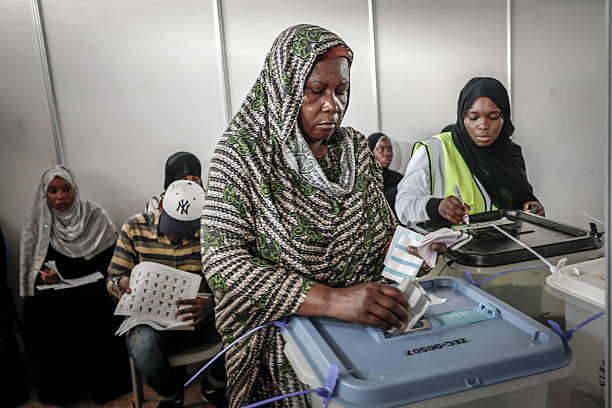
On 29 October 2025, what was meant to be a national celebration of democracy in Tanzania erupted into public unrest in Dar es Salaam and other major cities. Young protesters took to the streets after key opposition candidates were barred from the ballot. Voter turnout was visibly low, and calls of an election acting more as a “coronation” surfaced.
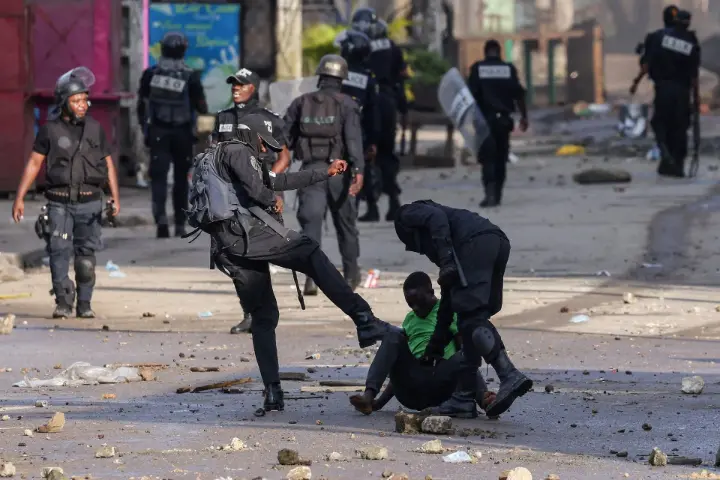
Scenes moved quickly: by evening the police had imposed a city-wide curfew in Dar es Salaam and internet services were disrupted nationwide. Residents in Mbagala, Gongo la Mboto and Kiluvya reported teargas and gunshots as security forces attempted to control the crowds. Schools were closed, civil servants told to work from home the following day, and the U.S. Embassy issued statements warning of road closures near the international airport.
For diplomats and international missions, the implications are immediate. Key port access in Dar is under pressure; communication lines are unstable; and uncertainty around the legitimacy of the vote is generating cautious responses from regional blocs like the East African Community (EAC), the African Union (AU) and global partners. With the ruling party (Chama Cha Mapinduzi – CCM) expected to extend a decades-long reign, the laid-back assumptions of stability are crackling.
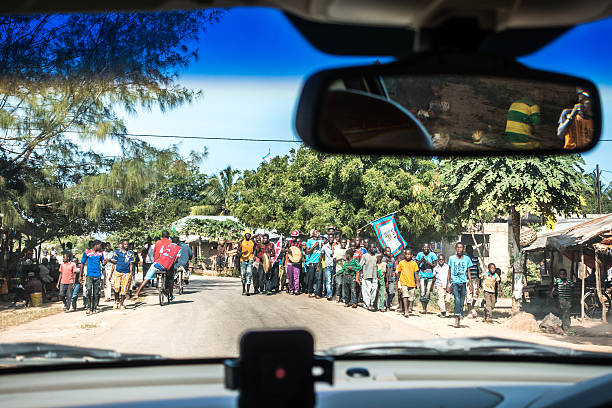
What happens next will determine Tanzania’s regional posture. Will the government invite independent observers and open transparent review processes? Will civil society actors be able to operate freely amid reports of abductions and silencing of critics? Early engagement is critical—for all diplomatic missions, for trade and security links, and for protecting civil-servant, media and NGO networks operating in the country.