In the high-stakes world of African energy, oil isn't just a resource it’s a survival mechanism. As of February 2026, the Heglig oil field in West Kordofan has become the ultimate symbol of this reality. Despite the brutal civil war raging across Sudan, a delicate and desperate collaboration has emerged to keep the "black gold" flowing.
At Herlee Media Hub, we’re looking at why the Heglig field is the one place where Sudan’s warring factions and their southern neighbor have found a fragile, forced peace.
The strategic hub: Why Heglig matters
Heglig is not just an oil field; it is a central nervous system. While South Sudan holds the vast majority of the region's oil reserves, it is landlocked and entirely dependent on Sudan’s infrastructure to reach the global market.
The Economic Reality:
80% of the Budget: South Sudan relies on oil exports for over 80% of its national revenue.
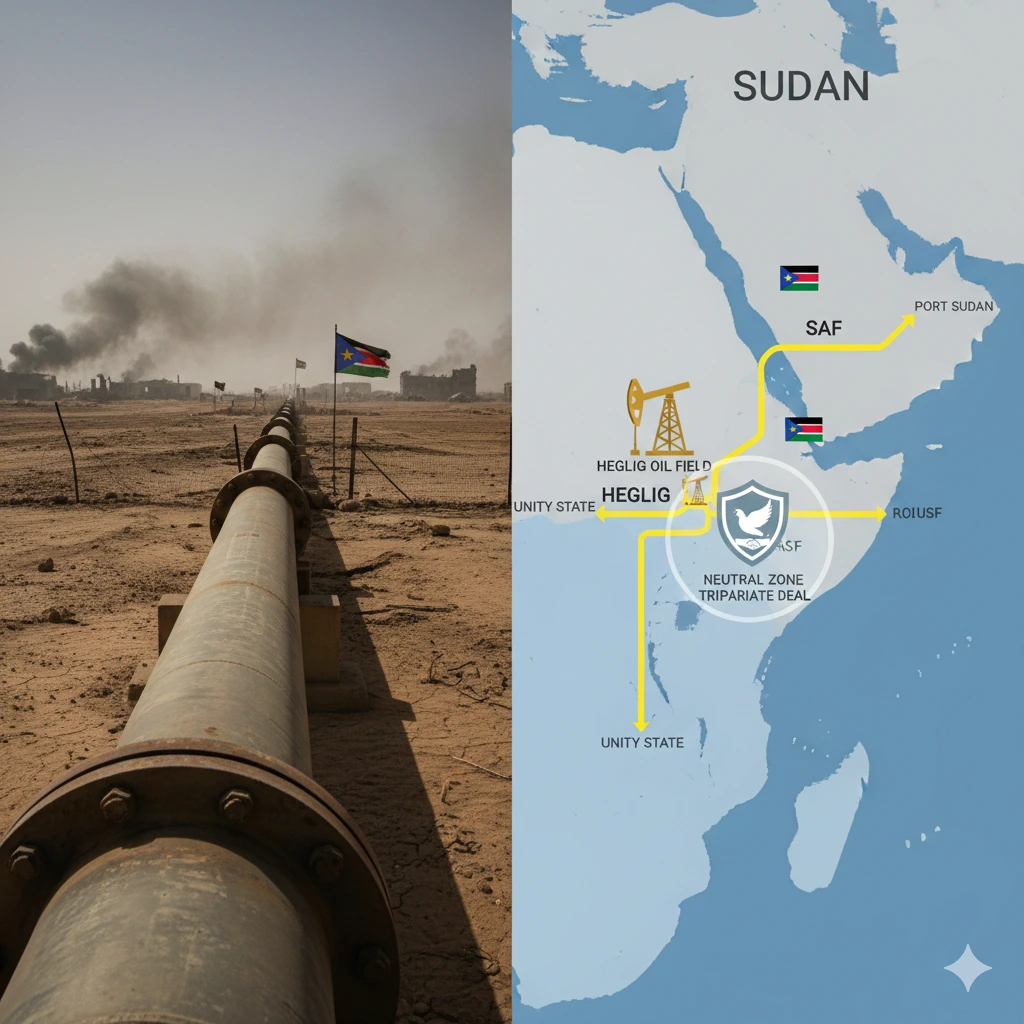
The Transit Route: Heglig serves as the primary processing hub for crude coming from South Sudan's Unity State before it enters the 1,600km pipeline to Port Sudan.
Mutual Dependency: Sudan needs the transit fees to fund its war effort, and South Sudan needs the exports to keep its state functioning.
The December deal: A tripartite gamble
The landscape changed dramatically in December 2025 when the Rapid Support Forces (RSF) seized control of Heglig. For a moment, South Sudan’s economy teetered on the brink.
However, in a move that surprised many observers, a tripartite security deal was reached. South Sudan successfully negotiated with both the Sudanese Armed Forces (SAF) and the RSF to ensure the facility remains a "neutral zone."
The Terms of the Deal:
Neutral Protection: South Sudanese forces have been deployed to help secure the infrastructure.
Safe Passage: Both Sudanese warring parties agreed to halt combat within the immediate vicinity of the oil fields to prevent catastrophic damage to the processing plants.
Continuous Flow: As of February 3, 2026, oil flow remains a high-priority, neutral asset, even as fighting intensifies in nearby Kordofan and Khartoum.
The Tightrope Walk: South Sudan as Mediator
By engaging with both the RSF (who control the field) and the SAF (who control the pipeline terminus and the Red Sea port), South Sudan is playing a masterclass in geopolitical hedging. Juba has positioned itself as a neutral mediator, not out of choice, but out of absolute necessity. Funding the transit fees essentially means South Sudan is contributing to the coffers of both sides of the Sudanese civil war. It is a "pay-to-play" scenario where the price of national stability is the indirect fueling of a neighbor's conflict.
Authentic Insight: The Price of Interdependence
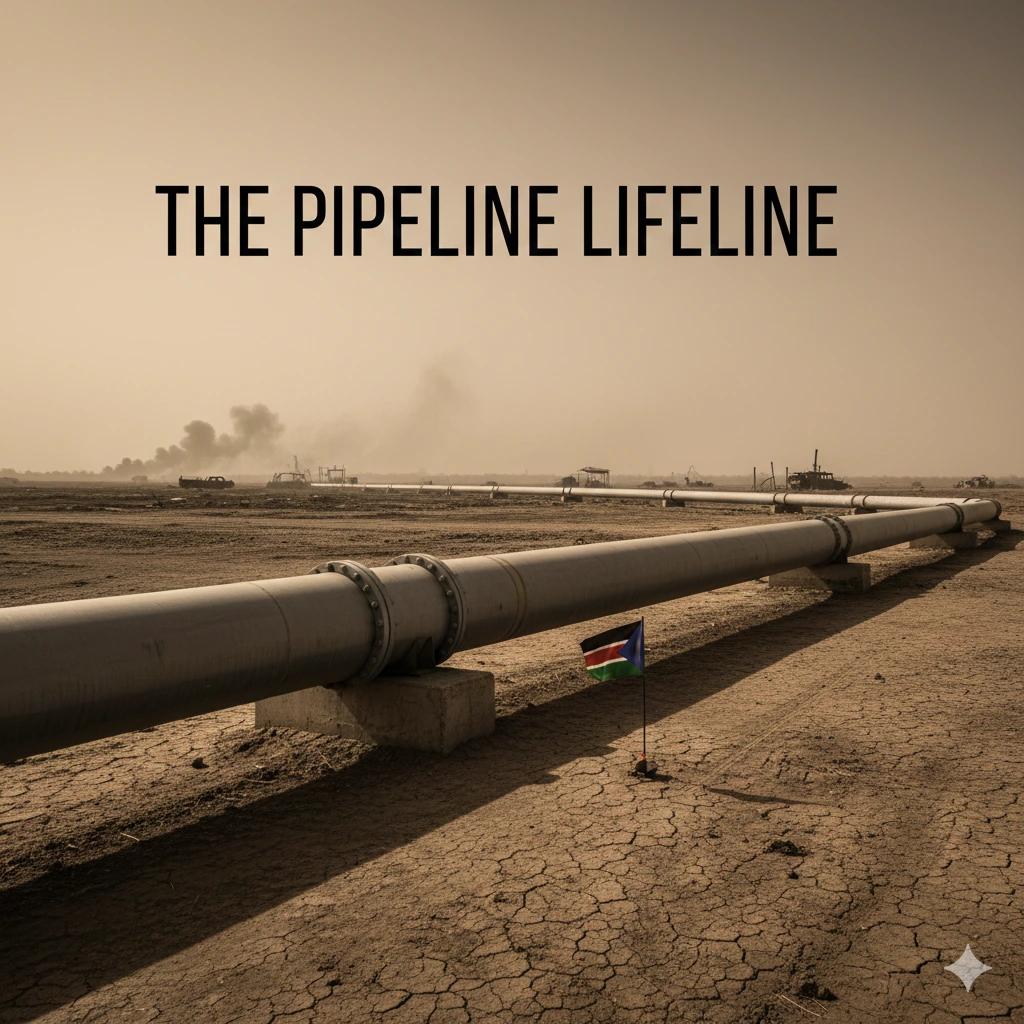
At African Diplomat, we see the Heglig situation as a stark reminder that economics often trumps ideology. In a region defined by "Point of No Return" diplomatic rifts, the oil pipeline remains the only bridge that hasn't been burned.
What do you think?
Is the "Tripartite Deal" a blueprint for how to protect African resources during conflict, or is it a dangerous compromise?
Can South Sudan maintain its neutrality if one side in Sudan decides to weaponize the oil flow again?