In the world of diplomacy, relationships rarely end with a single event. Usually, it’s a slow burn of friction until one final "last straw" breaks the bond. For Somalia and the United Arab Emirates (UAE), that straw was a cargo plane and a fugitive.
As of January 2026, the Federal Government of Somalia has officially annulled all bilateral agreements with Abu Dhabi, sending shockwaves through the Horn of Africa.
The spark: The "fugitive" in the airspace
The immediate trigger for the split sounds like something out of a spy thriller. Reports indicate that Aidarous al-Zubaidi, the leader of Yemen’s UAE-backed Southern Transitional Council (STC), entered Somali territory illegally.
According to Somali officials, al-Zubaidi was "spirited out" of Yemen and into the breakaway region of Somaliland (via Berbera) before being tracked through Mogadishu’s own airspace on a UAE-registered aircraft. Mogadishu calls this a blatant violation of sovereignty using Somali land and air to smuggle a foreign political figure without permission.
The "fine print" of the conflict
While the al-Zubaidi incident was the "last straw," the tension has been brewing for months. Here are the three pillars of the dispute:
The Somaliland Factor: In late December 2025, Israel became the first nation to officially recognize Somaliland’s independence. Mogadishu believes the UAE was the "invisible hand" behind this move, further undermining Somalia’s territorial integrity.
The Sudan Connection: Recent investigations revealed that the UAE was allegedly using the port of Bosaso in Puntland to funnel supplies to the RSF in Sudan. Mogadishu is increasingly wary of being used as a "rear base" for foreign wars.
Port Power: The UAE-owned DP World holds massive stakes in Berbera. Somalia’s federal government has now revoked all deals related to the ports of Berbera, Bosaso, and Kismayo, effectively telling the UAE to pack its bags.
A house divided: Somaliland and Puntland reject the move
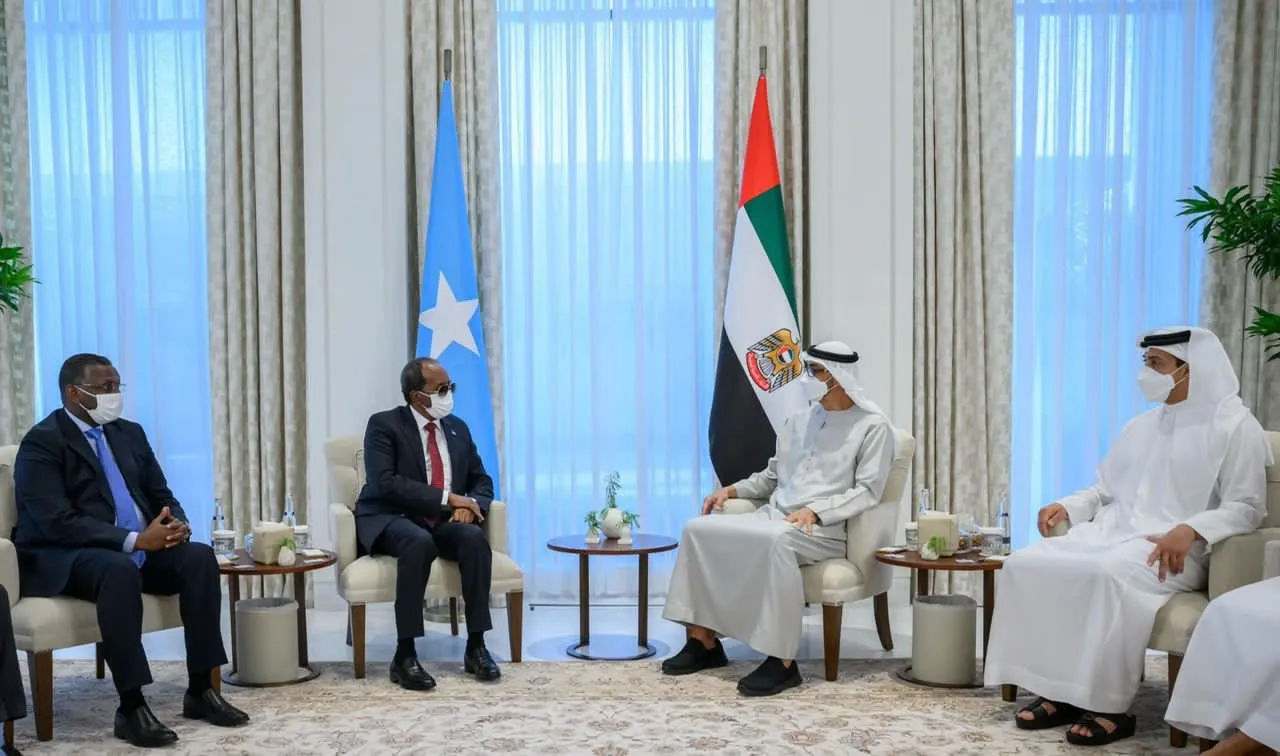
The most dangerous part of this breakup isn't international, it’s internal. Within hours of the announcement, the administrations of Somaliland and Puntland (and reportedly Jubaland) rejected the federal government’s decision.
They argue that Mogadishu has no legal authority to cancel deals that provide them with security and economic investment. This creates a "diplomatic vacuum" where regional states are openly defying the central government, making national unity feel more like a memory than a reality.
The ripple effect: Counterterrorism and security
For years, the UAE has trained and funded elite Somali security forces. With those agreements now dead, counterterrorism efforts against Al-Shabaab are in a precarious position.
If the UAE withdraws its hardware and personnel—as seen this week in Mogadishu and Bosaso—who fills the gap? Somalia is already leaning closer to Saudi Arabia, Türkiye, and Egypt, but transitioning military support in the middle of an active insurgency is a high-stakes gamble.
Sovereignty vs. survival
By standing up to a global powerhouse like the UAE, President Hassan Sheikh Mohamud is asserting that "Somalia belongs to Somalis."
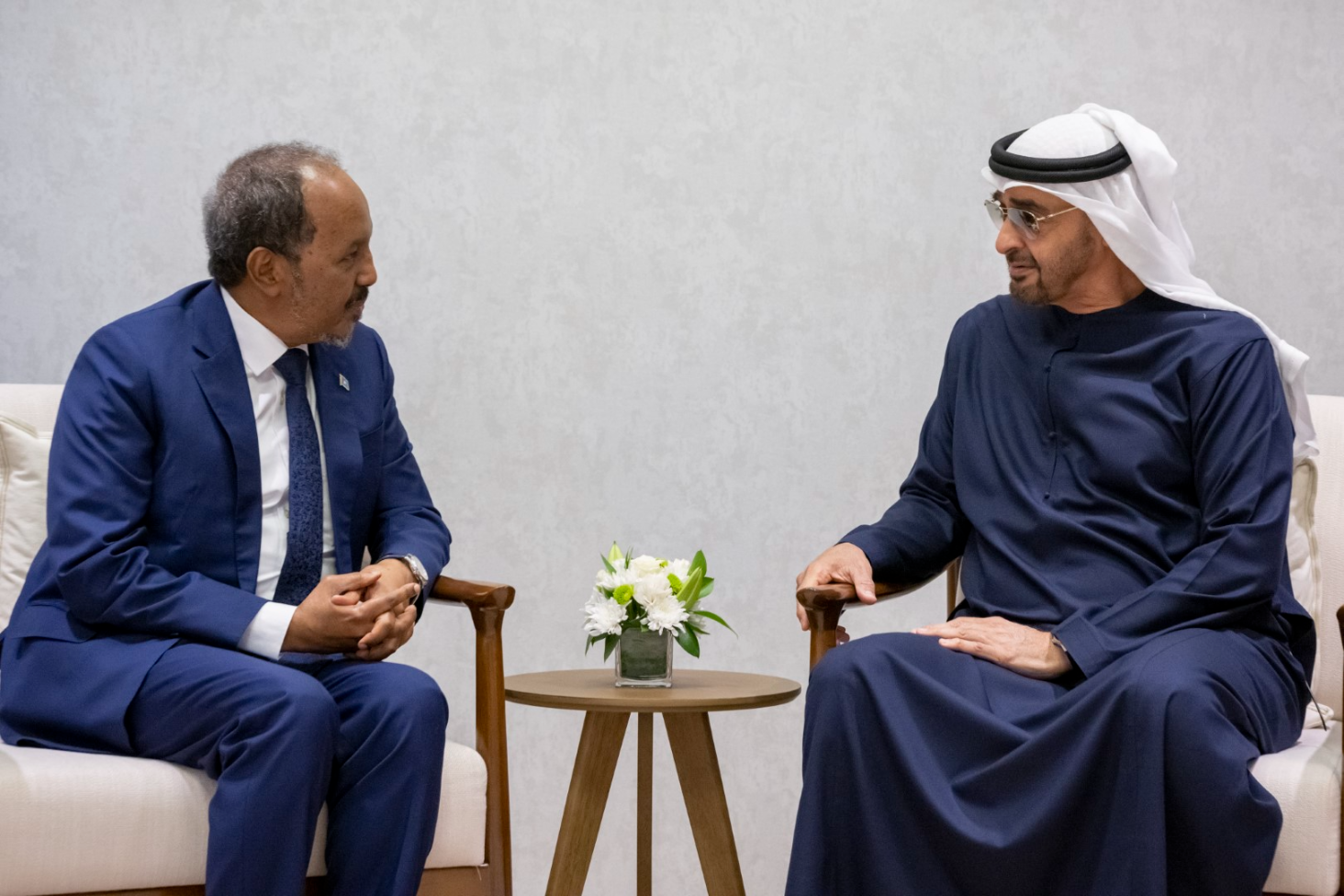
However, the cost of this "sovereignty" is a deeply fractured nation. If the federal government cannot enforce its will in Hargeisa or Garowe, a cancelled agreement in Mogadishu might just be words on a page.
We want to hear from you:
Is Mogadishu right to prioritize sovereignty over UAE military investment?
How does this breakup affect the average person living in Bosaso or Berbera?