When a country at war tries to find its diplomatic footing, the process is rarely smooth and Sudan is proving just that.
According to a recent Africa Intelligence report, deep cracks have emerged within the camp of General Abdel Fattah al-Burhan, Sudan’s de facto head of state and commander of the Armed Forces. These internal rifts come at a crucial moment: Khartoum is slowly reopening its skies to civil flights and foreign diplomats, with the support of Turkey, in a bid to signal readiness for global re-engagement.
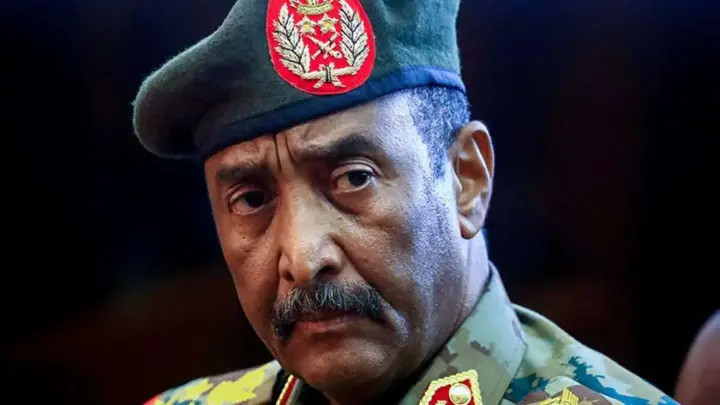
Abdel Fattah Al-Burhan
But behind this façade of progress lies political turbulence. The divisions in Burhan’s circle expose competing agendas over how Sudan should engage with the world and, more importantly, who speaks for Sudan in international forums. Meanwhile, the ongoing conflict between the Sudanese Armed Forces and the Rapid Support Forces continues to displace millions and destabilise the region.
Diplomatic negotiations, especially those supported by Washington and regional players, have hit multiple roadblocks. Each power centre within Sudan seems to have its own narrative, its own version of legitimacy, and its own plan for peace. This fragmented messaging complicates foreign engagement, making it hard for mediators to identify a single, credible voice.
For Africa’s diplomats, Sudan’s situation serves as a reminder that diplomacy is not only about negotiation tables, it’s about perception, control of narratives, and strategic communication. When the state’s internal messaging is fractured, its diplomatic credibility weakens.
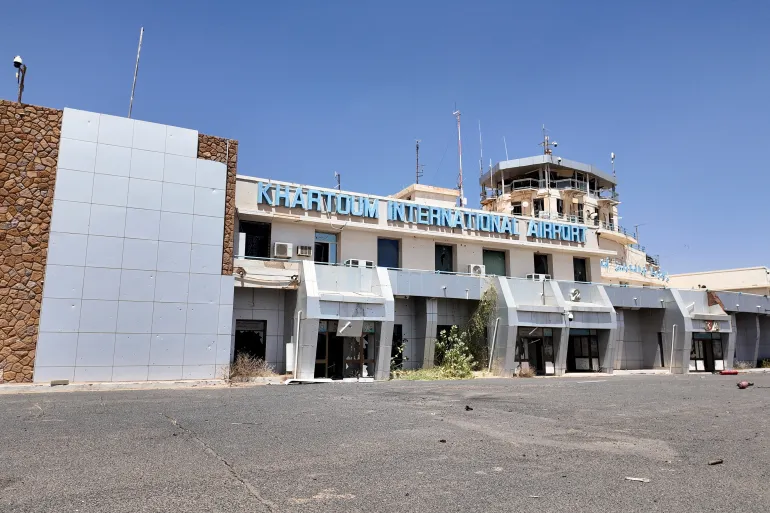
Images of planes landing again in Khartoum and diplomats returning to their embassies project a sense of hope. Yet, these optics mask the complexity beneath. Sudan’s outreach to Turkey and quiet coordination with Gulf allies suggest a desire to diversify partners, but without internal unity, these efforts may remain symbolic.
For communications professionals, this moment is a study in crisis diplomacy, how governments try to project stability amid internal chaos. It’s a story of power, image and survival.
Sudan’s re-emergence on the diplomatic stage will test not only the patience of foreign mediators but also the country’s ability to rebuild trust at home. Until its leaders speak with one voice, Sudan’s diplomacy will remain fragile, a delicate balancing act between appearance and reality.