The Horn of Africa continues to wrestle with overlapping crises, with Sudan once again at the centre of a humanitarian and political storm. According to the Horn of Africa Situation Report (September 8, 2025), the conflict in Sudan has reached alarming new depths. Both the Rapid Support Forces (RSF) and the Sudanese Armed Forces (SAF) stand accused of widespread atrocities, including killings, torture, and gender-based violence, that have devastated communities, particularly in Darfur. The United Nations has described the situation as “catastrophic,” warning that over 770,000 children face severe acute malnutrition this year alone.
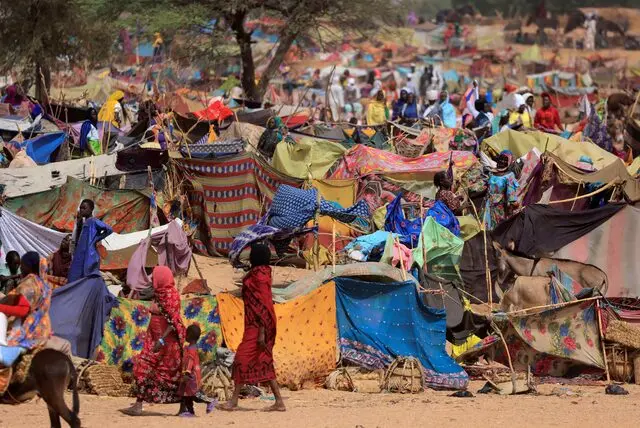
A view of makeshift shelters of Sudanese people who fled the conflict in Sudan's Darfur region and were previously internally displaced in Sudan, near the border between Sudan and Chad, in Borota, Chad, May 13, 2023. REUTERS/Zohra Bensemra
What is unfolding in Sudan is not merely a civil conflict; it is a collapse of governance and a failure of diplomacy. Despite international condemnation, mediation attempts have faltered, and ceasefire deals remain broken almost as soon as they are signed. The human cost continues to mount, with civilians bearing the brunt of violence and displacement. Aid agencies struggle to deliver assistance amid blockades, insecurity, and restricted humanitarian access.
While Sudan bleeds, its southern neighbour is also feeling the ripple effects. South Sudan, itself fragile after years of conflict, is recalibrating its diplomatic posture. Last week, a patrol of UN peacekeepers was ambushed, thankfully without injuries, but the incident underscores the volatile environment within and around the country (Martin Plaut Report). In response to economic pressures and regional instability, Juba has announced plans to reduce staffing in its foreign diplomatic missions, opting for leaner teams while keeping most embassies operational.
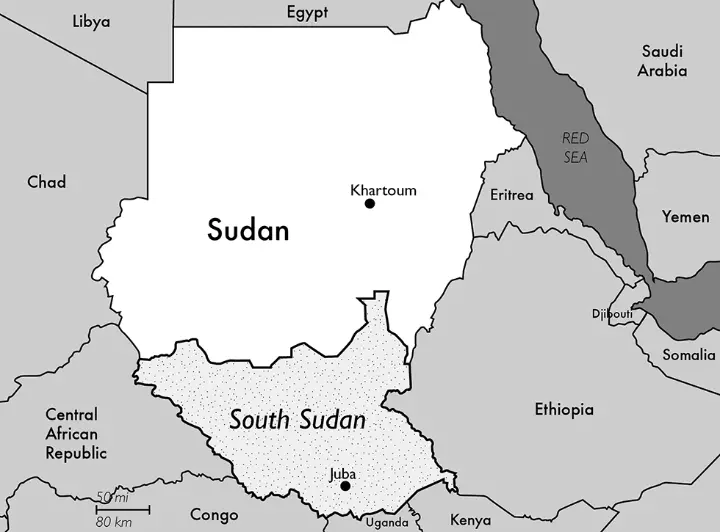
At first glance, South Sudan’s decision may seem purely financial. Yet it also reflects the government’s recognition of shifting regional dynamics. With Sudan in turmoil, Ethiopia entangled in its own challenges, and Somalia navigating delicate relations with its neighbours, South Sudan is repositioning itself carefully. By trimming diplomatic missions but maintaining their presence, Juba is attempting to strike a balance: reducing costs while preserving its voice in international forums.
The twin stories of Sudan’s humanitarian collapse and South Sudan’s diplomatic downsizing reveal a broader truth about the region. Crises are not contained by borders. As Darfur burns, the risks of refugee flows, regional insecurity, and disrupted trade spill over into neighbouring states. Diplomacy, therefore, becomes not just a tool of foreign policy but a matter of survival.
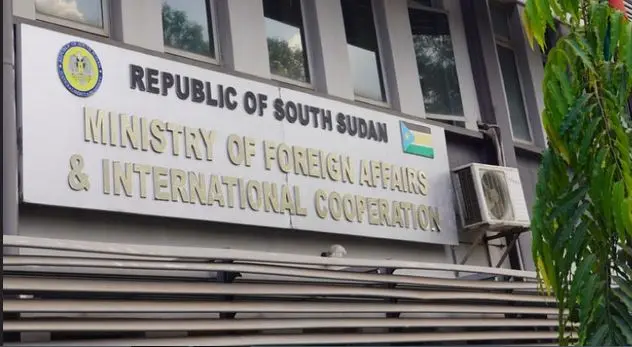
South Sudan’s Ministry of Foreign Affairs and International Cooperation
The international community faces a choice. It can continue issuing statements of concern, or it can engage more meaningfully, through coordinated humanitarian aid, stronger diplomatic pressure, and support for regional peace efforts. For Sudan, the priority must be protecting civilians and restoring humanitarian access. For South Sudan, the challenge is ensuring that streamlined diplomacy does not weaken its ability to advocate for peace and stability.
In the Horn of Africa, where conflict and fragility intertwine, the cost of inaction is measured in human lives. The urgency could not be clearer.