Over the weekend, nearly 100 activists gathered outside the U.S. Embassy in Pretoria, South Africa, voicing strong opposition to a controversial deportation deal between Washington and Eswatini. The agreement, which reportedly involves transferring five foreign-born individuals convicted of crimes in the United States to Eswatini, has sparked outrage and raised tough questions about human rights, due process, and international diplomacy.
Activists argue the deal was struck without parliamentary debate or public consultation. They describe it as “shady diplomacy” and even compared it to human trafficking, claiming detainees are being shipped off without proper legal protections. For a country like Eswatini, where political freedoms are already limited under King Mswati III’s absolute monarchy, the lack of transparency has only deepened public mistrust.
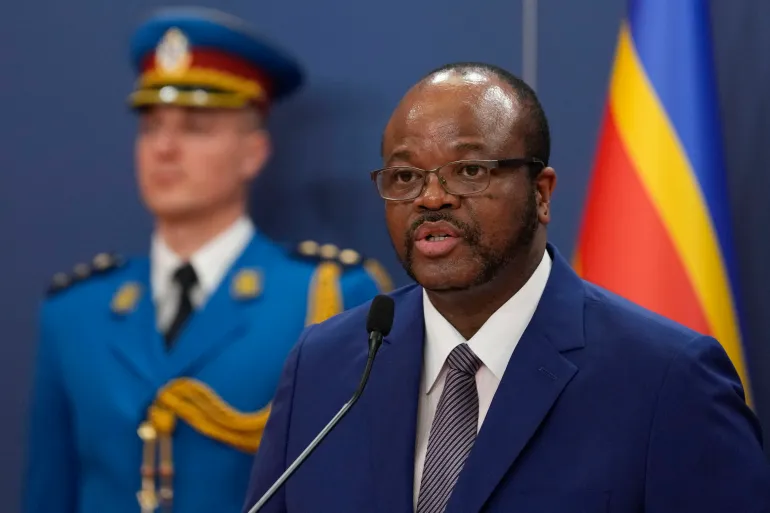
Eswatini's King Mswati III
For the United States, the deal may seem like a small legal arrangement. But the backlash highlights a bigger diplomatic dilemma: how do powerful nations engage with smaller states without undermining democratic accountability and human rights?
For Eswatini, the deal exposes deeper political cracks. Without parliamentary oversight, critics say it reinforces the image of a government making decisions behind closed doors, fueling anger among citizens already demanding reforms and greater freedoms.
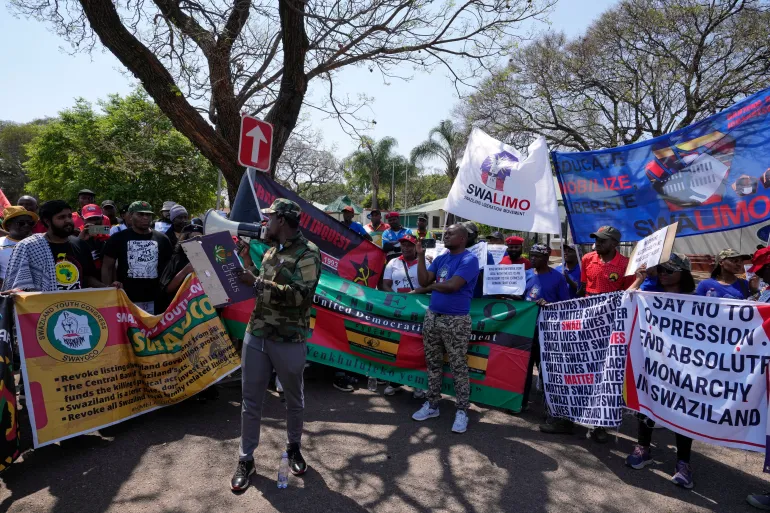
This protest is about more than Eswatini. It speaks to a wider debate across Africa: how much say do citizens have in international deals that affect their lives? From trade agreements to deportation deals, diplomacy often happens in elite spaces far removed from public scrutiny.
And yet, as this protest shows, ordinary people are watching and they’re ready to push back.
Neither Washington nor Mbabane has offered detailed clarifications on the deal, but activists are vowing to keep the pressure on. If ignored, this controversy could sour U.S. - Eswatini relations and embolden more protests across Southern Africa.
For now, the spotlight is firmly on Eswatini’s government and its willingness to listen to its people.