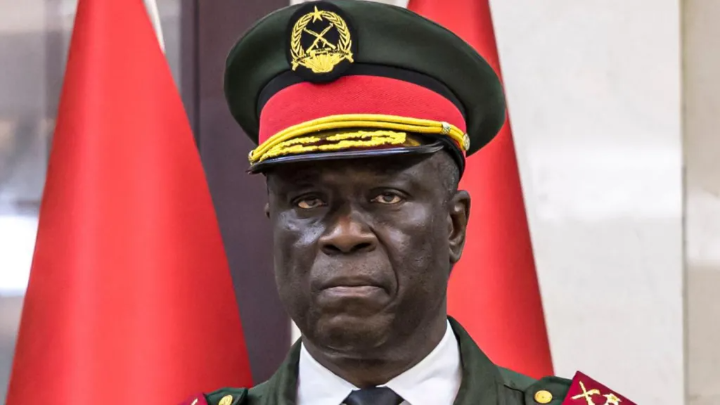
Bissau, Guinea-Bissau — The cycle of instability in Guinea-Bissau has violently resumed. In a swift military takeover on November 26, 2025, the armed forces seized power just one day before the official results of a closely contested presidential election were due to be announced. The High Military Command for the Restoration of National Security and Public Order, led by Brigadier General Dinis Incanha, overthrew the civilian government. They arrested incumbent President Umaro Sissoco Embaló, who has since fled to Senegal. Former army chief of staff, General Horta Inta-A, was quickly sworn in as the transitional president.
This successful coup, the ninth in the country’s history since independence, has installed a military general as transitional leader and put the nation’s fragile democracy back into the hands of its military.
Latest Developments: A Transitional Government and Dubious Justifications
The new military leaders, operating under the self-styled High Military Command for the Restoration of National Security and Public Order, have moved rapidly to consolidate control.3
General Sworn In & The Arrests
On November 27, General Horta Inta-A was inaugurated as the head of a one-year transitional military government. The ousted President Embaló, after initially reporting his arrest, was reportedly released and departed for Senegal. Key political figures and electoral officials remain arbitrarily detained, raising serious human rights concerns. The military command has since formed a National Transitional Council to draft a Transitional Charter and oversee government activities, further cementing their unconstitutional rule.
Election Fraud Allegations and Political Chaos
The coup was carried out a day before the official election results were due. The military's central claim that they intervened to prevent electoral fraud involving politicians and organized crime is contested. Critics, including some regional observers, have questioned the coup’s authenticity, with some suggesting Embaló himself might have staged a "simulated coup" to prevent the release of unfavorable election results after his own and the opposition's premature victory declarations. The seizure and destruction of ballot papers and tally sheets by soldiers have made any restoration of the electoral process nearly impossible.
The AU’s Inconsistent Stick
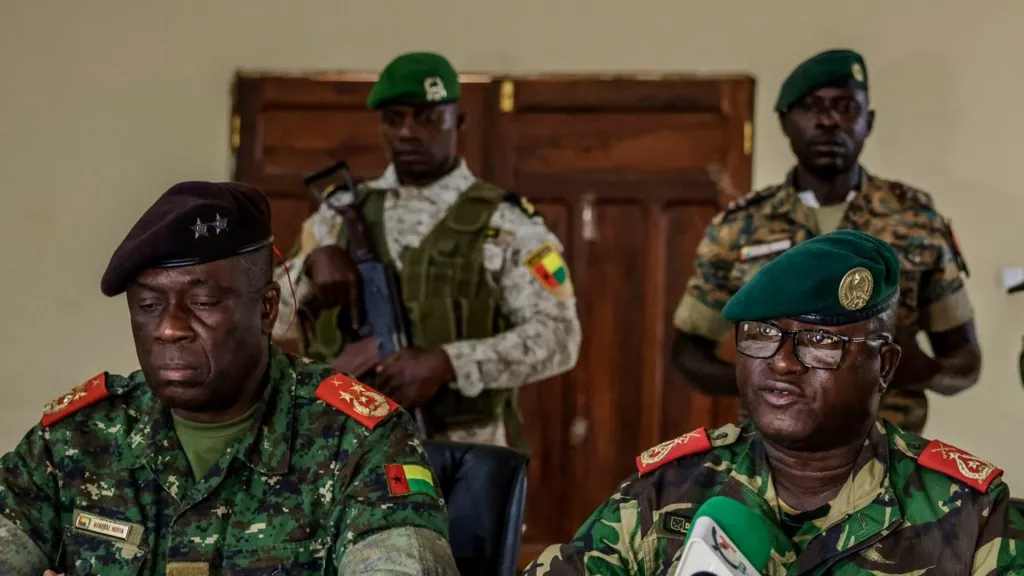
The African Union (AU) and the regional bloc ECOWAS (Economic Community of West African States) swiftly issued strong condemnations.
- Condemnation: The AU Peace and Security Council unequivocally condemned the military seizure and moved to immediately suspend Guinea-Bissau from participating in all AU activities until constitutional order is restored.12 ECOWAS followed suit with a similar suspension.13
- The Scrutiny: Despite the strong language, the speed and severity of this reaction are being compared to the AU's handling of previous coups across the "Coup Belt" of West Africa (Mali, Burkina Faso, Niger). Analysts point out the perception of inconsistent application of the AU's "zero tolerance" policy, suggesting that the response is sometimes influenced by the geopolitical context, which diminishes the deterrent effect of AU sanctions and may encourage further democratic backsliding on the continent. The lack of concrete, immediate international measures beyond verbal condemnation further risks normalizing unconstitutional changes of government.
The successful coup in Guinea-Bissau confirms the country's status as a nation trapped in a cycle of instability, where the military's influence over politics remains paramount and the will of the electorate is continually subverted by force.
You can learn more about the regional instability and the role of the military in West African politics in this report: Chaos As Soldiers Launch Coup In Guinea- Bissau And 'Arrest President'. This video is relevant as it reports on the breaking news of the military takeover in Guinea-Bissau and the reported arrest of the President.