In a bold diplomatic move, Mali has taken its simmering border dispute with Algeria to the International Court of Justice (ICJ), marking a significant moment in the Sahel’s fragile geopolitical landscape. The case, triggered by the downing of a Malian drone near the Algerian frontier, could redefine how African states use international law to manage disputes that might otherwise escalate into open conflict.
The Sahel region is no stranger to instability. With jihadist insurgencies, porous borders, and contested state authority, tensions often spill over into military skirmishes or prolonged stand-offs. Mali’s decision to bypass unilateral retaliation and instead pursue a legal remedy reflects both a recognition of the ICJ’s authority and a growing continental trend: African states are increasingly turning to international legal frameworks to settle disputes once handled through force or backroom negotiations.

Mali President Assimi Goïta
For Mali, the case is more than a question of sovereignty. It is also about credibility. Since the country’s 2020 coup and subsequent realignment away from Western partners, its transitional government has sought to project itself as both assertive and legitimate. By approaching the ICJ, Bamako signals to its citizens, neighbours, and the wider world that it is committed to rules-based conflict resolution, even while maintaining its hardline security posture at home.
For Algeria, the stakes are equally high. As a key regional power, Algiers has long positioned itself as a broker of peace in the Sahel, notably in Mali’s 2015 peace accord with rebel groups. Now, finding itself in the dock at The Hague could test Algeria’s diplomatic image. Whether the drone incident was a defensive measure or a breach of sovereignty, Algeria must now defend its actions on a global stage.
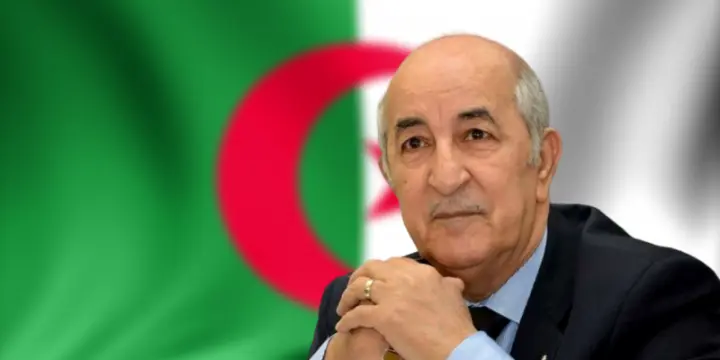
Algeria President, Abdelmadjid Tebboune.
The implications extend far beyond these two states. Mali’s ICJ case underscores how international courts can serve as pressure valves in volatile regions. Rather than descending into tit-for-tat retaliation, countries can appeal to neutral arbitration, setting precedents that may encourage others in Africa to follow suit. From Ethiopia and Eritrea’s border arbitration to Kenya and Somalia’s maritime dispute, the ICJ has become an arena where African grievances are aired, contested, and, at least in theory, resolved without bloodshed.
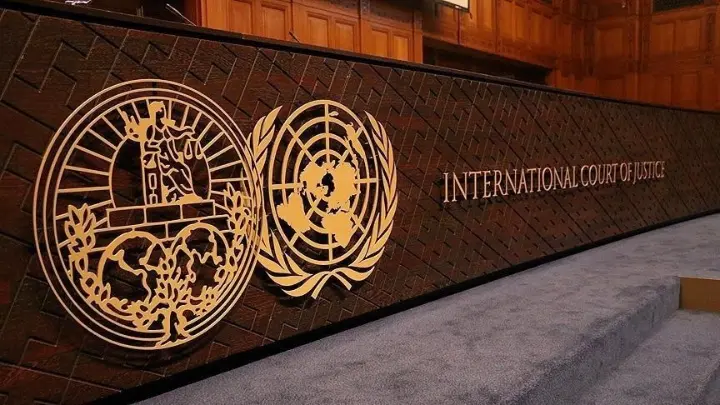
Still, the ICJ is not a magic wand. Its judgments are binding but not easily enforceable. The real test will be whether Mali and Algeria commit to honouring the court’s eventual ruling. If they do, it could mark a turning point, showing that international law can hold sway even in one of the world’s most unstable regions. If not, the dispute risks feeding the instability already haunting the Sahel.
For now, Mali’s case against Algeria is more than a legal dispute. It is a diplomatic experiment, one that may shape how Africa handles its toughest conflicts in the years to come.
🔗 Source: The Rio Times – Africa Intelligence Brief, September 8, 2025