In a dramatic turn of events shaking Africa’s diplomatic space, Mali, Burkina Faso, and Niger have jointly announced their withdrawal from the International Criminal Court (ICC). Labeling the Court a “neo-colonial and imperialist tool”, the three military-led governments say they no longer see the ICC as an impartial institution serving global justice.
The move has sparked mixed reactions across Africa and beyond. For some, it’s a sign of rising resistance to Western influence on the continent. For others, it raises fears that justice for victims of war crimes and human rights violations could take a back seat.
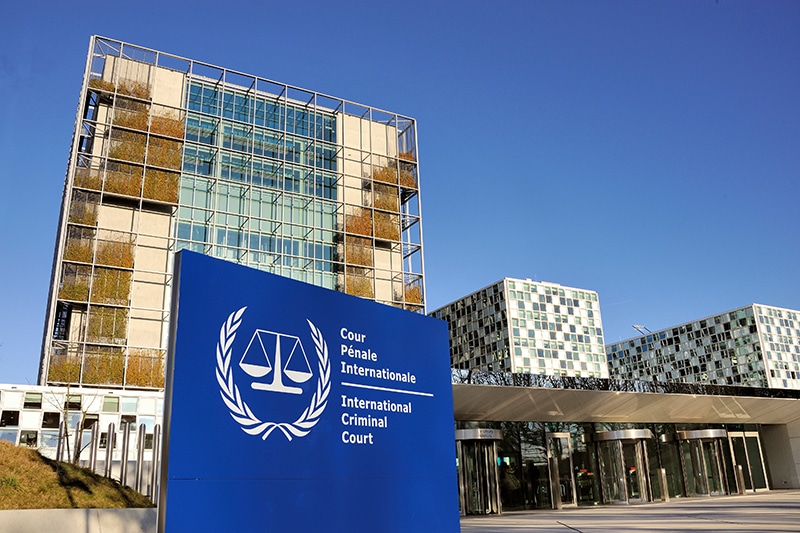
The ICC, based in The Hague, was created to prosecute individuals accused of crimes against humanity, genocide, and war crimes. Yet, African leaders have long argued that the Court disproportionately targets African states while ignoring alleged crimes committed by powerful nations.
By stepping away, Mali, Burkina Faso, and Niger are not just rejecting the ICC—they are signaling a new era of African sovereignty in international relations. Their decision highlights growing frustration with institutions many African leaders feel are shaped more by Western politics than by fairness.
Withdrawal from the ICC is not immediate. According to the Rome Statute, the founding treaty of the ICC, a country must wait 12 months after formally notifying the U.N. before the exit becomes official. This means that until late 2026, the Court can still investigate crimes committed in these countries.
However, this decision could create a ripple effect. Other nations may follow their lead, especially as debates about “neo-colonial” influence intensify. On the other hand, critics argue that stepping away could weaken accountability in regions already facing armed conflict and political instability.
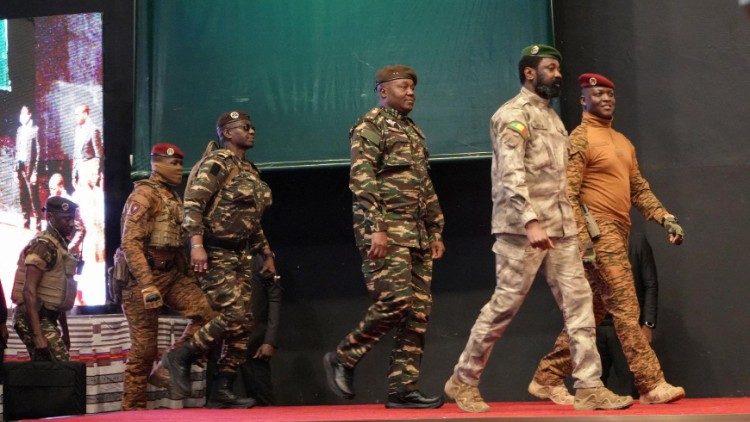
This joint withdrawal is more than just a legal move, it’s political messaging. It reflects a broader trend where African governments are rethinking old partnerships, seeking new alliances with powers like Russia and China, and asserting independence in global governance.
As the continent pushes for reforms in the U.N. Security Council and other international bodies, the ICC issue adds another layer to Africa’s quest for equal footing in world affairs.
The exit of Mali, Burkina Faso, and Niger from the ICC is a bold diplomatic gamble. It may inspire pride among those who see the Court as biased, but it also raises tough questions: Without the ICC, how will accountability for atrocities be pursued? And will this move protect sovereignty or simply shield leaders from justice?
One thing is clear, Africa’s voice in global diplomacy is changing, and the world is watching closely.