In just a few days, Malawians will head to the polls for one of the most consequential elections in the country’s recent history. The mood on the streets of Lilongwe and Blantyre is tense yet hopeful, ordinary citizens juggling soaring food prices and joblessness know that the outcome could reshape their nation’s future. Beyond the ballot box, the 16 September presidential election will carry weighty consequences for Malawi’s regional standing and international partnerships.
Incumbent President Lazarus Chakwera faces an uphill battle. Rising living costs, persistent corruption scandals, and fragile political alliances have weakened his once-strong reformist image. According to Africa Confidential, analysts suggest momentum may be shifting toward his predecessor, raising questions about whether Malawians are ready to return to familiar leadership after five years of change and disappointment.
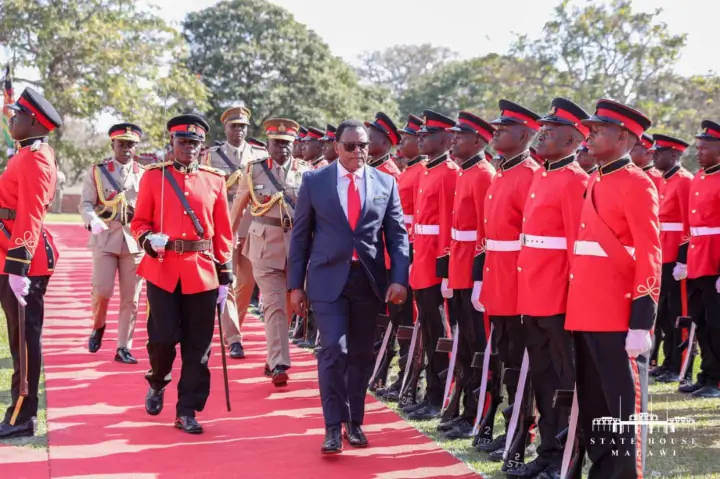
President Lazarus Chakwera
Domestically, the stakes are immense. Chakwera’s Tonse Alliance, which swept to power in 2020 with promises of renewal, now struggles to maintain credibility. Inflation, food insecurity, and limited economic opportunities have eroded trust, especially among the youth who had been his strongest supporters. For many voters, this election is less about ideology and more about survival, governance, and accountability.
Regionally, a shift in leadership could ripple across the Southern African Development Community (SADC). Malawi has played a modest but important role in issues ranging from peacekeeping in Mozambique’s Cabo Delgado to climate resilience efforts in Southern Africa. A distracted or weakened government could dilute its influence, while a new administration may choose to reset foreign policy priorities, possibly strengthening ties with heavyweights like South Africa or Tanzania.
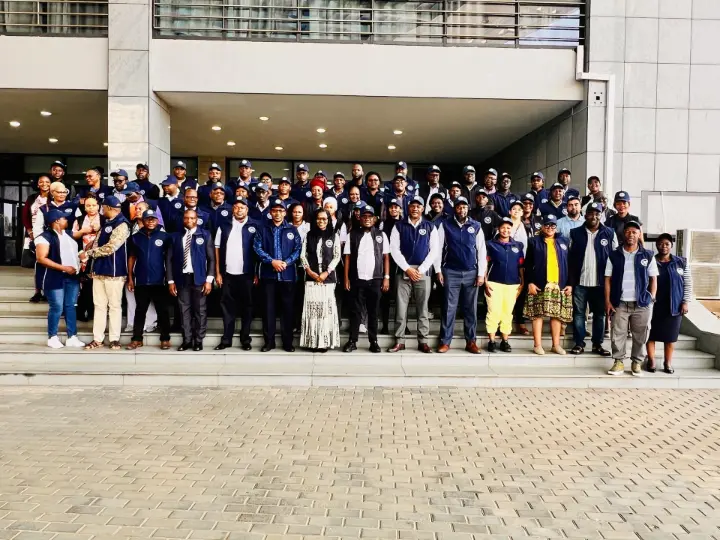
SADC Observers undergo four-day Refresher Training, ahead of the Official Launch and Deployment of the SADC Electoral Observation Mission to the 16 September 2025 General Election in the Republic of Malawi.
Internationally, the election has not gone unnoticed. The European Union and the United States have called for transparent, peaceful polls, while observers from the African Union and SADC are set to monitor proceedings closely. The credibility of the process is as critical as the result, both for Malawi’s democracy and for regional stability, where disputed elections often ignite unrest. Diplomats are also weighing the implications for governance: will a change bring new energy and reform, or re‑entrench old political practices?
As global powers, from China with its infrastructure projects to Western donors with aid commitments, compete for influence, Malawi’s vote becomes more than a domestic event. It is a test of democratic resilience in a fragile economy and a signal of how smaller states navigate competing pressures in a multipolar world.
On 16 September, the world will be watching. Will Malawi’s election strengthen its democracy and regional voice, or deepen uncertainty at home and abroad? The answer will reverberate far beyond its borders.