In a dramatic twist in Madagascar’s political story, Colonel Michael Randrianirina has declared himself interim president, just days after a military takeover ousted civilian leader Andry Rajoelina. The move, which sent shockwaves across the region, has already drawn firm action from the African Union (AU), which suspended Madagascar’s membership and called for a quick return to constitutional order.
Over the last five years, Africa has seen a wave of military coups, from Niger to Burkina Faso, challenging the continent’s democratic progress. The AU and Southern African Development Community (SADC) have repeatedly condemned these unconstitutional power grabs. But as seen before, sanctions and suspensions often have limited impact when military leaders dig in.
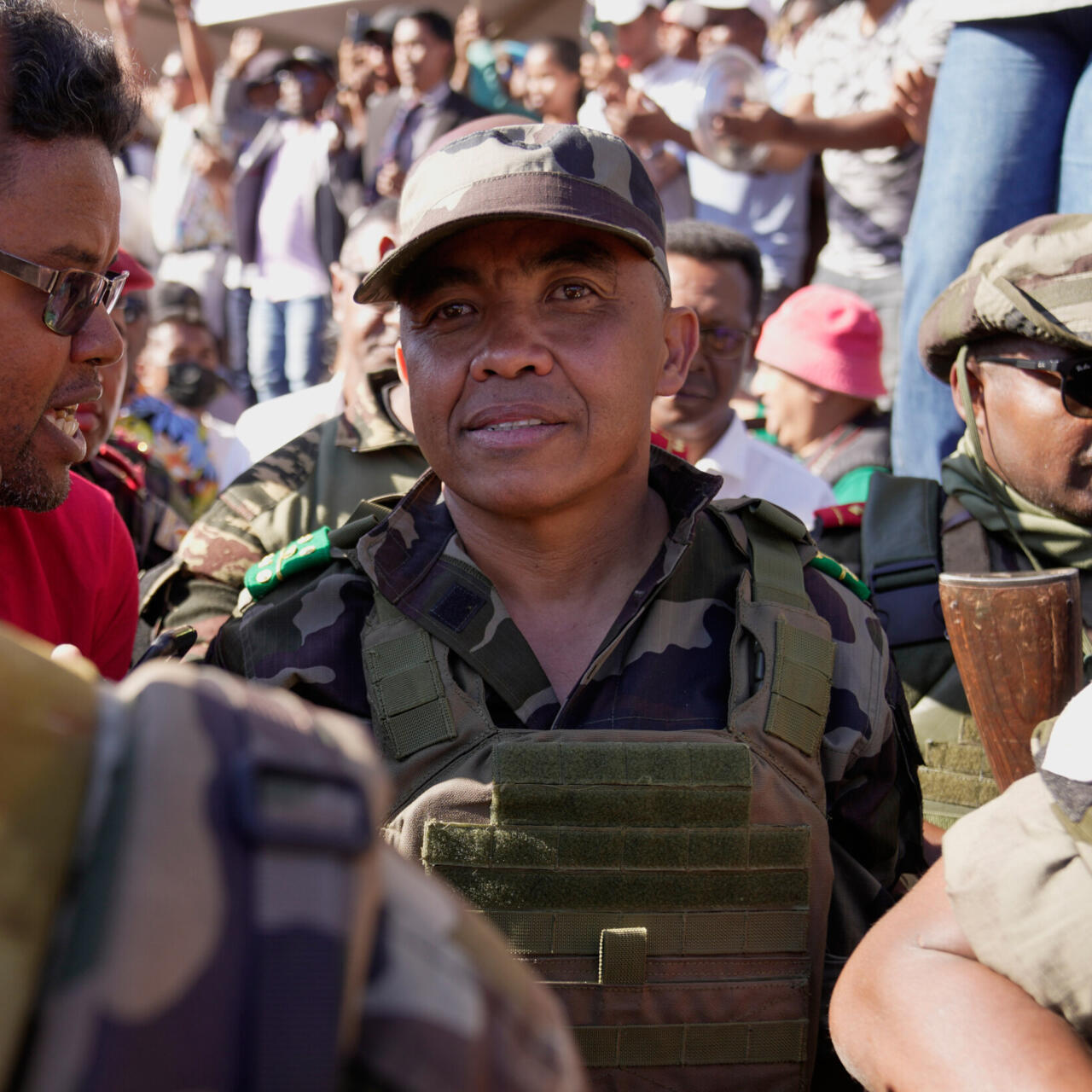
In Madagascar’s case, the AU’s swift suspension is symbolic, a message that the era of “coup tolerance” is over. Yet, real influence will depend on whether SADC and other partners apply economic and diplomatic pressure that can steer the country back toward civilian rule.
Analysts suggest that deep political divisions, military dissatisfaction, and youth frustration set the stage for the coup. There are whispers of external influences, but so far, no clear evidence points to foreign backing. What’s certain is that power shifts like these rarely happen overnight they are often the result of long-brewing tensions within the armed forces and political elite.
On the streets of Antananarivo, the mood is mixed. Some citizens, especially the younger population, express hope for change after years of political instability. Others fear that the military’s promises of reform may fade once power is consolidated. Madagascar’s youth, over 60% of its population, could become a decisive force in shaping what happens next.
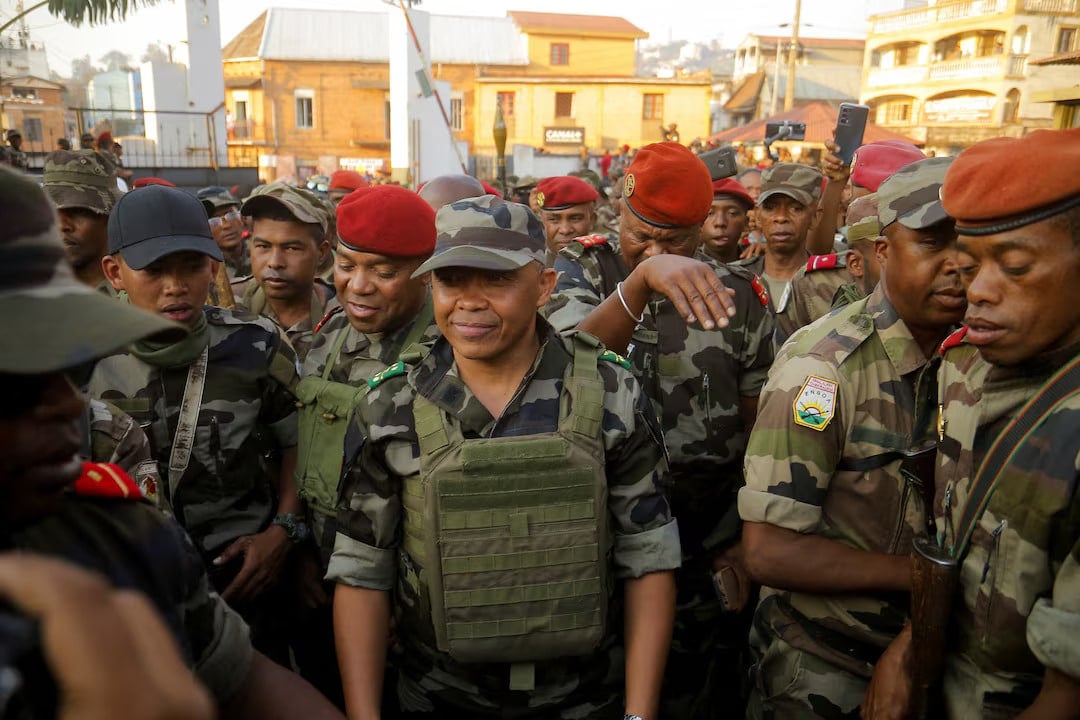
The Madagascar coup is more than a domestic issue; it’s a test of African diplomacy. Can the AU and SADC move beyond statements to action that truly restores democratic rule? Or will this become another chapter in the continent’s uneasy relationship with military politics?
For diplomats and observers across Africa, this moment is a reminder that stability and legitimacy cannot be imposed they must be rebuilt through dialogue, trust, and credible governance.