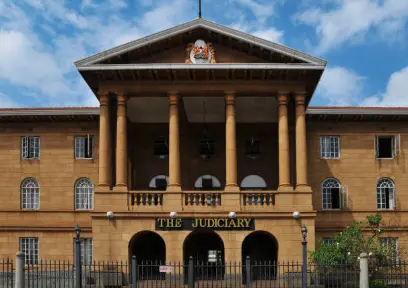
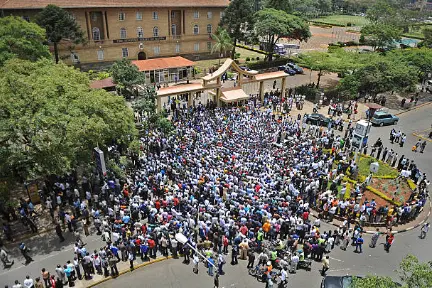
Kenya is facing renewed questions about how it handles dissent after reports emerged that the government is using U.S.-funded anti-terrorism courts to prosecute nonviolent protesters. According to The Wall Street Journal, the special courts, originally designed to combat extremist threats, are increasingly trying young Kenyans whose only “crime” is protesting over high taxes, unemployment, and the rising cost of living.
This development has sparked outrage among rights organisations and triggered diplomatic unease in Washington. The concern is simple: have tools meant to safeguard national security been weaponised against citizens exercising their democratic rights?
Misuse of Legal Tools
Kenya’s anti-terrorism courts were established to address threats like Al-Shabaab and transnational extremist groups. With U.S. financial and technical backing, they were meant to provide the country with a strong counterterrorism framework. But critics argue that dragging peaceful protesters into these courts blurs the line between legitimate dissent and terrorism. It risks criminalising political participation and shrinking the democratic space at a time when young people are demanding accountability from leaders.
Human Rights at Stake
Rights groups, including Amnesty International, warn that this approach undermines fundamental freedoms. Protesters demanding better governance are neither armed groups nor security threats. By framing them as such, the government risks violating international human rights standards—and eroding public trust in its institutions.
Diplomatic Fallout
For Washington, the stakes are high. The U.S. has long positioned itself as a champion of democracy and human rights, especially in Africa. If its counterterrorism funding is seen as enabling repression, it could spark a diplomatic rift. Analysts suggest the U.S. may need to reassess how its support is monitored and ensure that Kenyan authorities do not misuse American taxpayer dollars for political ends.
Civil Society’s Response
Kenya’s vibrant civil society has been quick to push back. Lawyers, activists, and community leaders argue that this sets a dangerous precedent. They note that once counterterrorism tools are used against citizens, it becomes easier for governments across the region to justify similar measures. Some recall precedents in Ethiopia and Egypt, where anti-terror laws have been stretched to silence dissent.
The Bigger Question
At the heart of the issue is a bigger question: how do democracies balance national security with civil liberties? Kenya’s handling of these protests could define its democratic credentials for years to come. If peaceful voices are treated as terrorists, the result may not be security but deeper alienation and instability.
Sources: