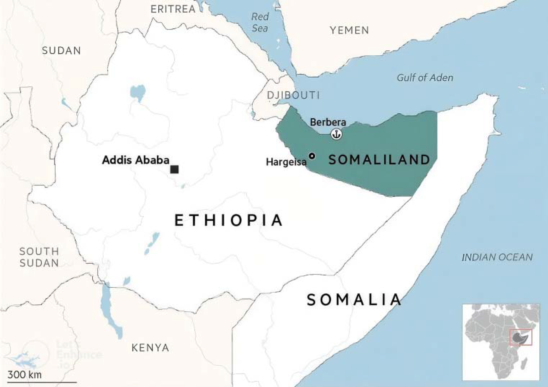
The geopolitical landscape of the Horn of Africa was set ablaze on December 26, 2025, when Israel became the first UN member state to officially recognize Somaliland’s independence. This wasn’t just a diplomatic handshake; it was a seismic shift that has cracked the foundations of regional stability and sent shockwaves from Mogadishu to Beijing.
What began as a quiet quest for sovereignty has now evolved into a high-stakes "firestorm" involving the world's most powerful players.
The Global Split: A New Cold War Frontier?
The recognition has effectively divided the international community into two defiant camps.
- The "Defiant Defense": Leading the charge is the United States, which has offered a robust defense of Israel’s move at the UN Security Council. Washington has even gone as far as comparing Somaliland's quest for statehood to the recognition of a Palestinian state, accusing critics of "double standards."
- The Sovereignty Bloc: In a rare display of unity, China and the UK have joined forces to reaffirm Somalia’s sovereignty. For Beijing, this isn't just about Africa; it’s a red line. They view the recognition of a breakaway region as a direct threat to the "One China" principle and a dangerous endorsement of separatism that could jeopardize their vast interests along the Red Sea maritime routes.
Somalia’s Counter-Lobby: The "Lobbying Blitz"
Mogadishu isn't taking this sitting down. Leveraging its current rotating presidency of the UN Security Council, Somalia has launched an intensive diplomatic "lobbying blitz."
President Hassan Sheikh Mohamud has condemned the move as a "deliberate attack" on his country’s legal territory. From massive street protests in Mogadishu to high-level summits with the African Union (AU), the message is clear: Somalia is a red line. The AU has echoed this sentiment, warning that recognizing Somaliland sets a "dangerous precedent" that could ignite separatist movements across the entire continent.
"The Republic of Somalia is a sovereign and united country. Its territory cannot be divided or ceded by any letter written by Israel or signed by Netanyahu." — President Hassan Sheikh Mohamud
The Security Paradox: Fuel for the Fire
While the diplomatic war rages in the halls of the UN, the real-world consequences are far more ominous. Security experts warn that this "firestorm" has handed a powerful gift to extremist groups:
- Propaganda Goldmine: Al-Shabaab has already seized on the news, using the Israeli recognition as a nationalist rallying cry. They are painting the move as a foreign "crusader" intervention, positioning themselves as the "true defenders" of Somali unity.
- The Houthi Connection: With Somaliland sitting strategically across from Yemen, the Houthis have issued their own warnings. They’ve declared any Israeli presence in Somaliland a legitimate military target, threatening to drag the Horn of Africa into the proxy wars of the Middle East.
- The "Pandora’s Box" Effect: If Somaliland is recognized, who is next? Countries like Nigeria, Ethiopia, and Cameroon are watching closely, fearing that this move could breathe new life into their own internal separatist movements.
What’s Next?
As Israel prepares to open an embassy in Hargeisa, the world watches to see if other nations will follow suit or if the pressure from the "Sovereignty Bloc" will force a retreat. One thing is certain: the map of the Horn of Africa is being redrawn, and the ink is still wet.