Peace diplomacy in Africa is evolving and the latest chapter is being written far from the continent itself. This week, the Democratic Republic of Congo (DRC) and the M23 rebel group reached a breakthrough in Doha, Qatar, agreeing to create a ceasefire monitoring mechanism to help end years of conflict in eastern Congo.
The deal, brokered with support from the International Conference on the Great Lakes Region (ICGLR), gives Qatar a rare diplomatic spotlight in African affairs. According to Reuters, the UN mission in Congo (MONUSCO) will assist only in logistics, after the rebels opposed an operational role, a sign of lingering mistrust but also a cautious step toward peace.
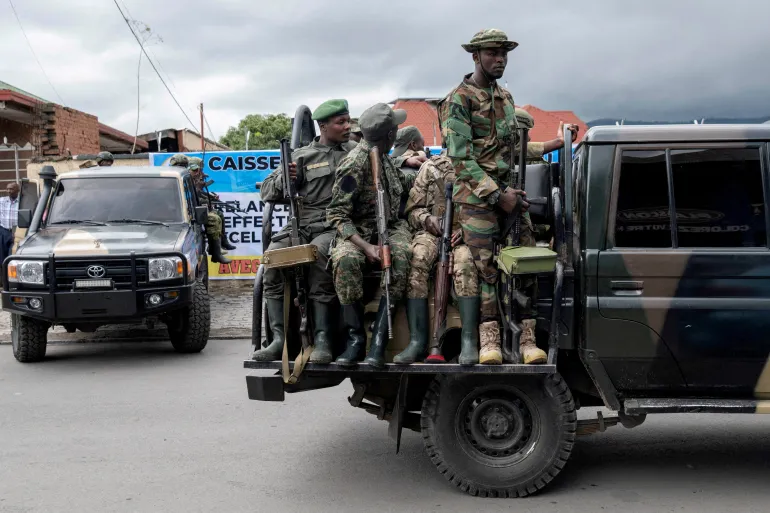
For Africa’s diplomats and policymakers, this is more than just another ceasefire. It reflects a growing trend: non-African states, especially from the Gulf, are becoming key conveners in African conflicts. From Sudan’s peace talks in Jeddah to Congo’s deal in Doha, these neutral venues are reshaping how peace is brokered, with quiet negotiation rooms replacing front-page summits.
But the question remains: Can deals made outside Africa last if the real work, governance, justice, and trust-building, isn’t happening at home?
Qatar’s rising role signals both opportunity and complexity. On one hand, its financial strength and neutral image make it an attractive host for warring sides. On the other, critics argue that external mediation can’t replace the slow, local process of reconciliation.
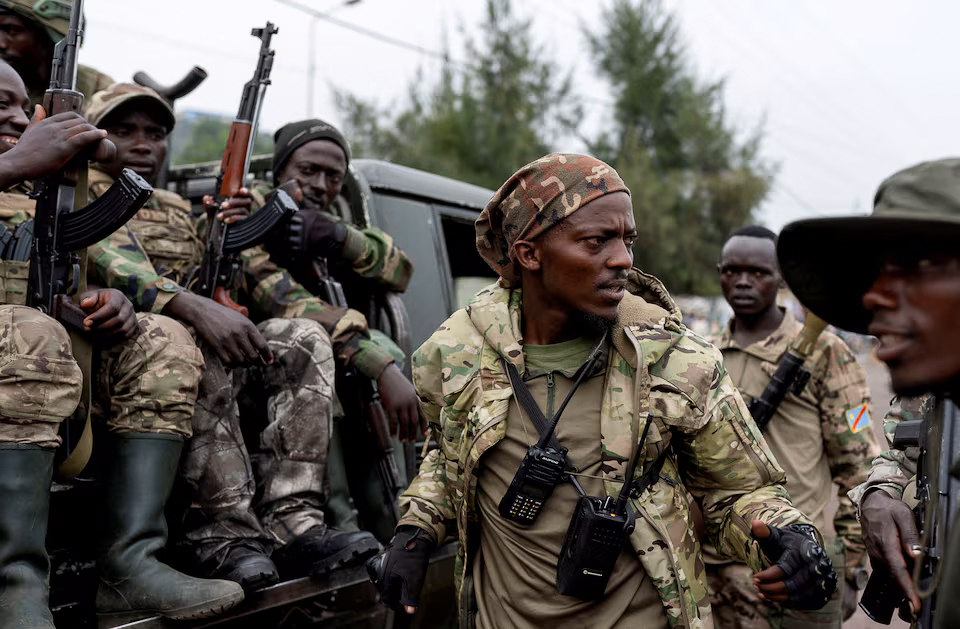
For the DRC, this agreement could mark a turning point or just another paper promise. The success of the Doha mechanism will depend on whether regional actors like the African Union, EAC, and ICGLR can stay united and ensure the deal is followed through.
Still, Africa’s diplomatic map is shifting. The center of peace negotiation is no longer defined by geography but by credibility and convenience. As global alliances diversify, African diplomacy is learning to speak in many rooms from Addis Ababa to Doha.