In a bold diplomatic move, South Africa and Nigeria, Africa’s two largest economies, are joining forces to strengthen their military cooperation. The partnership focuses on air-power development, logistics sharing, and counter-terrorism operations, marking a major shift from traditional economic diplomacy to security-led diplomacy.
Announced this week in Pretoria, the deal aims to enhance intelligence sharing, joint military exercises, and the training of air force personnel. Both governments see this as a step toward building African solutions for African security challenges.
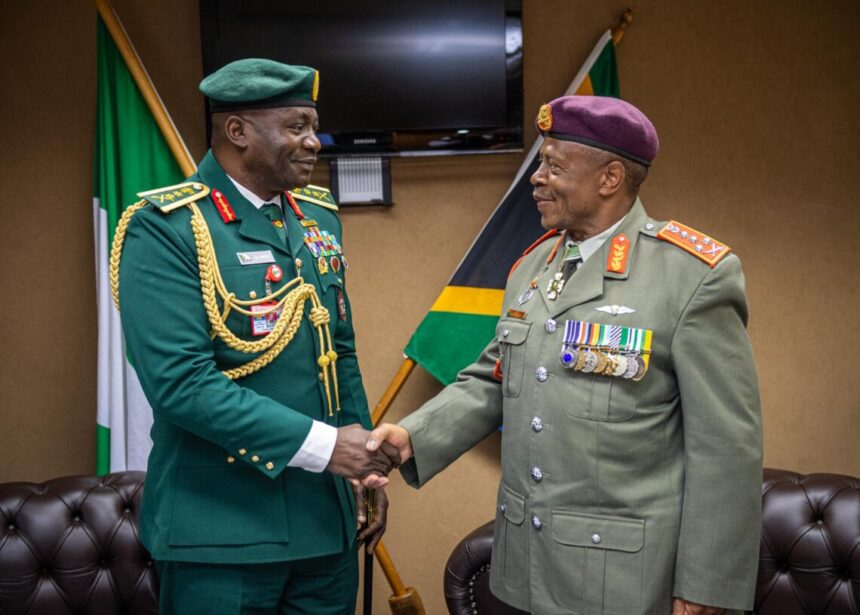
Chief of Defence Staff, Gen. Christopher Musa, Chief of South Africa National Defence Force, Gen. Rudzani Maphwanya
Why Air Power Matters Now
For decades, African diplomacy has revolved around trade, aid, and investment. But as conflicts evolve, from terrorism in the Sahel to piracy in the Gulf of Guinea, air power has become a symbol of national strength and strategic influence.
Nigeria has invested heavily in drones and fighter jets to secure its borders and tackle insurgencies. Meanwhile, South Africa’s advanced aviation technology and peacekeeping experience make it a valuable defence partner. Together, they are positioning themselves as the continent’s primary security anchors capable of rapid response in crisis zones across Africa.
Beyond the Battlefield: Diplomacy in Action
This partnership goes beyond military might. It reflects a broader vision for a self-reliant Africa, less dependent on Western or foreign intervention for peacekeeping operations. The collaboration also sends a message to smaller states: that regional stability can be home-grown through cooperation rather than competition.
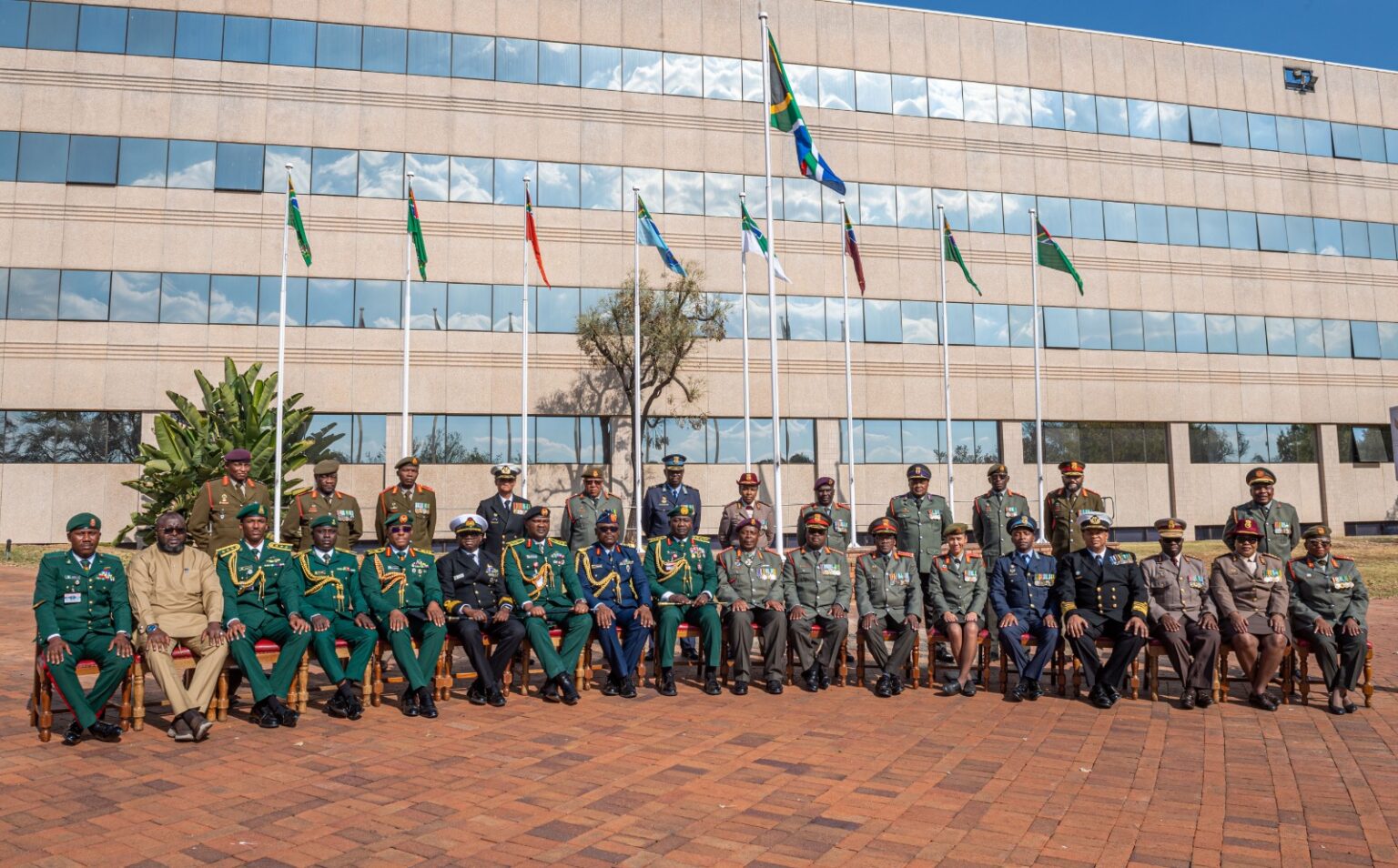
However, the question remains, will smaller nations benefit or be overshadowed by this growing power bloc? Countries like Ghana, Angola, and Kenya could either plug into joint defence projects or risk being sidelined if coordination remains limited to the “big two.”
Africa’s Security Future
The South Africa-Nigeria pact represents more than a defence deal, it’s a strategic rebranding of African diplomacy. It suggests that the continent’s next phase of influence will come not just from boardrooms or trade summits, but from hangars, training fields, and command centres.
As global powers jostle for influence in Africa, the message from Pretoria and Abuja is clear: Africa can and will defend its own peace.