Bamako/Paris, August 25, 2025 — Relations between France and Mali plunged into fresh crisis this week after Malian authorities arrested an employee of the French embassy in Bamako, alleging involvement in what they called a “destabilization plot.” Paris swiftly denounced the arrest as “arbitrary and politically motivated”, demanding the staff member’s immediate release.
The incident adds fuel to an already deteriorating relationship between the two nations, highlighting the shifting dynamics of power, influence, and security in the Sahel.
A partnership turned rivalry
For decades, France was Mali’s closest security partner, spearheading counter-terrorism operations through initiatives such as Operation Barkhane. But since a 2021 military coup, Bamako has increasingly distanced itself from Paris, accusing France of failing to deliver stability while seeking new alliances, particularly with Russia.
The withdrawal of French forces from Mali in 2022 left a vacuum quickly filled by Moscow’s Wagner Group, fueling anti-French sentiment across the region. Now, the arrest of a French diplomat risks solidifying the rupture.
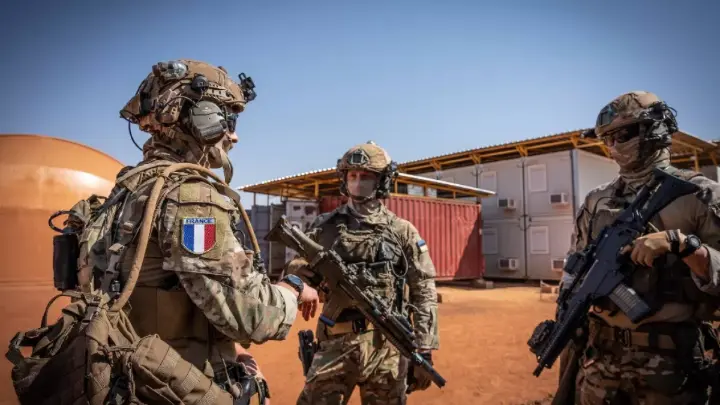
French officials, speaking to Le Monde, warned that the detention “marks a serious breach of the Vienna Convention on Diplomatic Relations” and could trigger retaliatory measures. Mali, however, has doubled down, framing the arrest as an act of sovereignty in the face of “foreign interference.”
Why It matters for the sahel
The fallout extends beyond Mali–France relations. The Sahel remains one of the world’s most fragile regions, plagued by jihadist insurgencies, food insecurity, and political instability. Analysts warn that growing hostility between Bamako and Paris could weaken multilateral responses to these crises.
“It’s not just a bilateral dispute; it’s a battle over who controls the narrative and future of the Sahel,” said one West African security expert quoted by Al Jazeera. “France’s influence is fading, Russia is stepping in, and ordinary Malians risk being caught in the middle.”
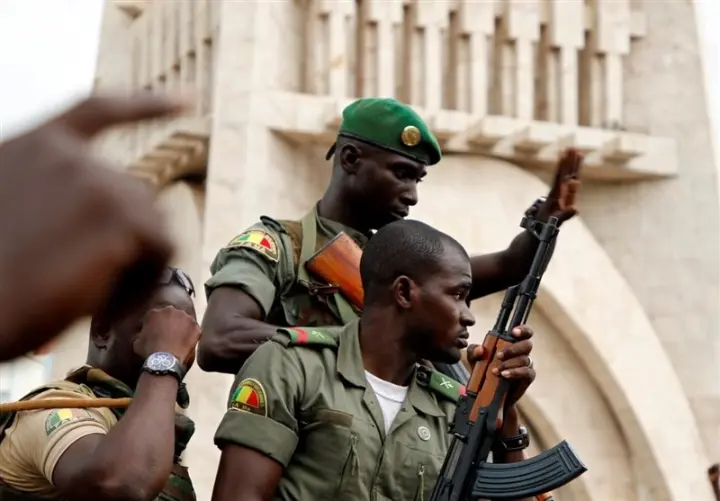
Neighbouring Burkina Faso and Niger both led by military juntas have also pivoted away from Western alliances, signalling a broader realignment in West Africa’s geopolitics.
The bigger picture
The arrest raises a fundamental question: who will shape the region’s future? For France, the episode underscores its diminishing leverage in Africa, where once-solid ties are rapidly unravelling. For Mali, it is an assertion of sovereignty but one that risks further isolation from European aid and development support.
What remains clear is that the stakes are high. As global powers jostle for influence in the Sahel, the people of Mali continue to grapple with insecurity, poverty, and displacement. Whether Paris and Bamako can find a path back to dialogue remains uncertain but the consequences of this diplomatic standoff could reverberate far beyond Mali’s borders.