France has suspended its anti-terrorism cooperation with Mali after the arrest of one of its diplomats, marking another twist in the strained relationship between Paris and Bamako. The decision, reported by AllAfrica, could have serious consequences for regional security at a time when extremist groups remain a persistent threat across the Sahel.
A growing rift Between France and Mali
Relations between France and Mali have been on a downward path since Mali’s military coup in 2021. The ruling junta has frequently accused France of meddling in its internal affairs, while Paris has criticised Bamako’s growing ties with Russia. The arrest of a French diplomat has now tipped tensions into a diplomatic crisis, forcing France to pull back from joint counter-terrorism operations.
This suspension not only reflects the breakdown of trust but also highlights how fragile international security partnerships can be when politics take centre stage.
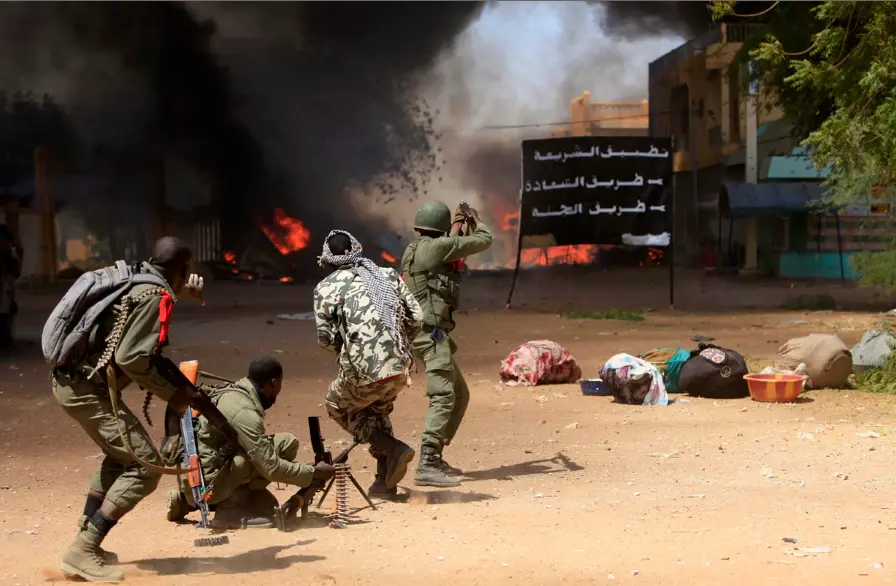
Malian soldiers fight while clashes erupted in the city of Gao on February 21, 2013 and an apparent car bomb struck near a camp housing French troops as Malian and foreign forces struggled to secure Mali's volatile north against Islamist rebels. Photo by Frederic Lafargue/AFP/Getty Images
What it means for Mali’s security
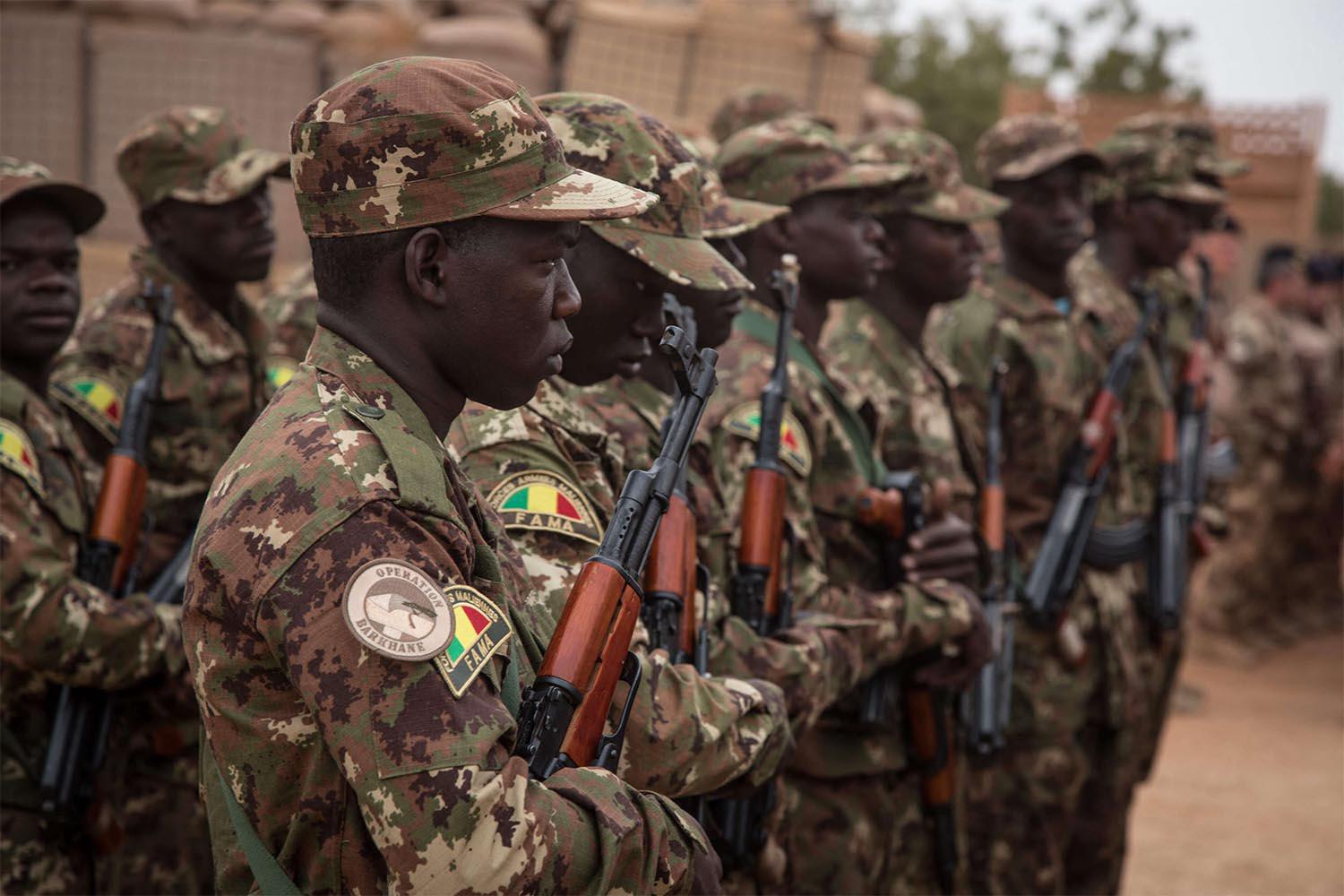
Mali has been at the epicentre of extremist violence in West Africa for more than a decade. French troops and intelligence support played a key role in pushing back jihadist groups that had once threatened to overrun the country. With France now stepping away, Mali will have to lean more heavily on its own forces and on newer partners such as Russia’s Wagner-linked troops.
For many Malians, this could raise fears of increased attacks, especially in rural areas where armed groups remain active. The suspension may also weaken coordination between neighbouring states that depend on France’s military expertise in regional anti-terror campaigns.
Regional and global reactions
The French government has defended its decision, saying that the arrest of its diplomat violated international norms and could not be ignored. Mali’s leadership, on the other hand, has remained defiant, framing the move as a chance to assert sovereignty and reduce dependency on France.
Across the Sahel, governments will be watching closely. If Mali struggles to contain extremist groups without French backing, instability could spill over into Niger, Burkina Faso, and beyond.
The bigger picture
This crisis underscores how diplomacy and security are tightly linked. Counter-terrorism in Africa is not just about military action it depends on cooperation, trust, and respect between nations. As Mali and France drift further apart, the big question remains: who will step in to fill the gap, and at what cost?
For now, Mali’s fight against extremism faces a tougher road ahead. Whether through new alliances or homegrown solutions, the country must adapt quickly to avoid sliding deeper into insecurity.
Source: AllAfrica