The Democratic Republic of Congo (DRC) has once again found itself at a crossroads. Despite several peace efforts involving regional and international actors, including the United States, Qatar, and the African Union (AU), fighting between the Congolese army and the rebel group M23 has not stopped. Instead of moving closer to peace, both sides are entrenching their positions, each accusing the other of breaking the agreements meant to bring an end to years of violence.
This raises an important question: why do peace accords in the DRC continue to falter?
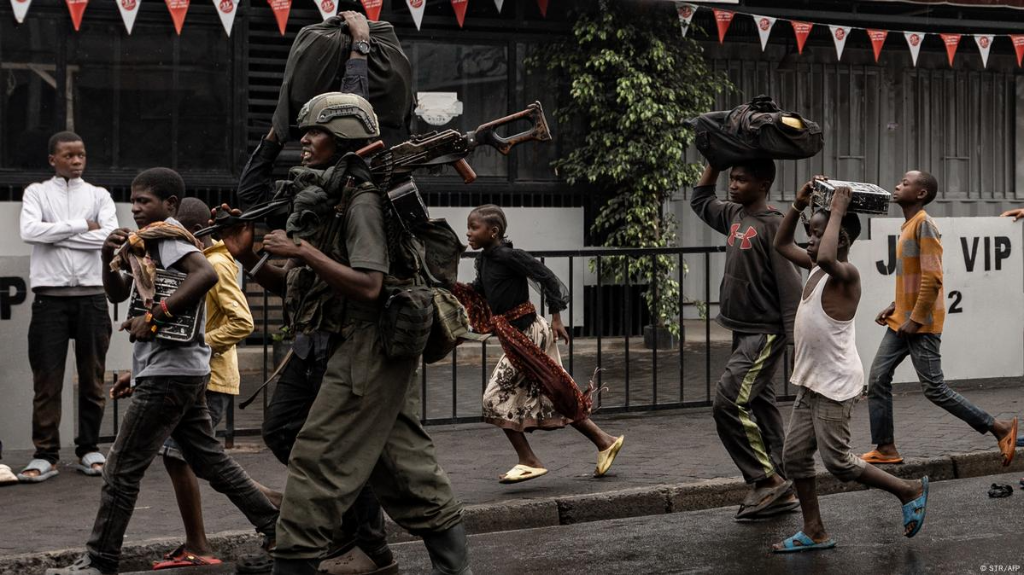
A member of the M23 armed group walks alongside residents through a street of the Keshero neighborhood in Goma, on January 27, 2025
Broken Promises and Fragile Trust
At the heart of the problem is a deep lack of trust. Past agreements have often been signed but rarely implemented. Communities in conflict areas feel forgotten as promises of disarmament, reintegration, or protection are delayed or ignored. For rebels like M23, this creates space to claim they are defending their people’s interests. For the government, every delay by the rebels feels like a breach of faith.
Peace deals cannot survive on paper alone. They need systems of accountability, community involvement, and a willingness from both sides to compromise. Without these, the cycle of agreement and betrayal keeps repeating.
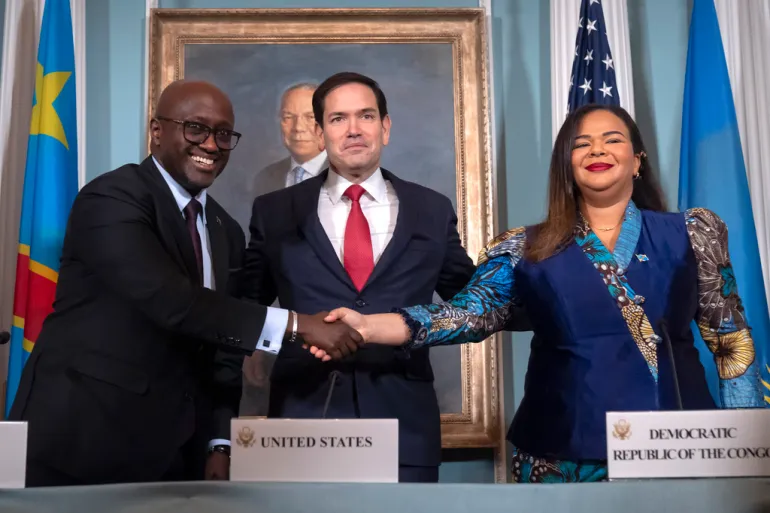
US Secretary of State Marco Rubio shake hands with Rwanda's Foreign Minister Olivier Nduhungirehe and Democratic Republic of the Congo's Foreign Minister Therese Kayikwamba Wagner after signing a peace agreement at the State Department on June 27, 2025, in Washington PhMark Schiefelbein/AP
The Role of External Actors
International partners have tried to mediate. The U.S. and Qatar have been particularly visible in recent months, while the African Union continues to push for regional solutions. However, external actors face limits. Their presence can encourage dialogue, but they cannot replace political will inside the DRC.
There’s also the issue of competing interests. Some neighboring countries are accused of quietly supporting armed groups for their own strategic or economic gain. This makes diplomacy more complicated and fragile.
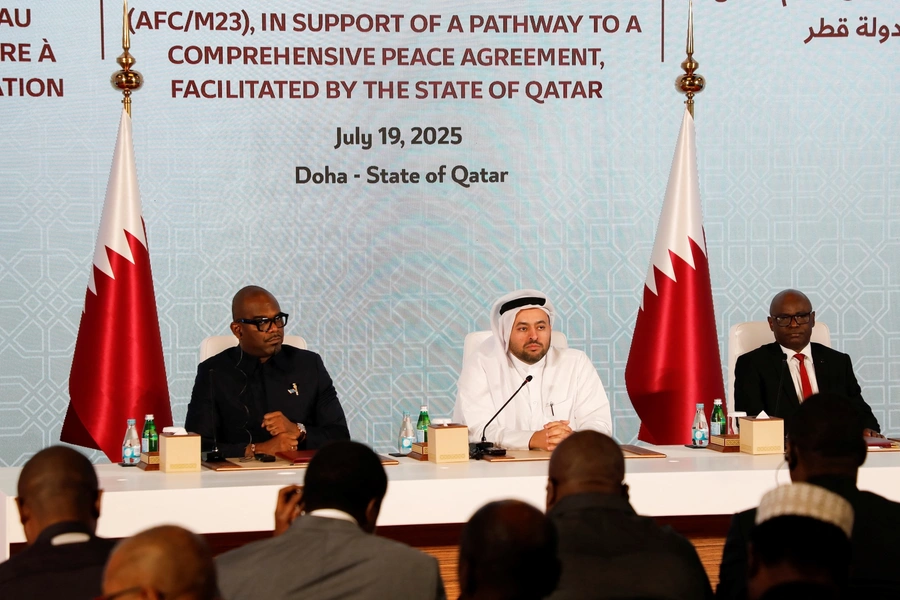
High Representative Sumbu Sita Mambu of the DRC, Minister of State for Foreign Affairs Mohammed bin Abdulaziz Al-Khulaifi of Qatar, and Benjamin Mbonimpa, who heads the M23 delegation, attend a signing ceremony in Doha, Qatar on July 19, 2025. Photo by Imad Creidi/REUTERS
The Humanitarian Consequences
Behind the headlines are ordinary Congolese people caught in the middle. Thousands have been displaced as clashes continue. Villages are abandoned, families separated, and access to food, healthcare, and education is disrupted. Each time a peace deal fails, it is civilians who pay the highest price.
What Needs to Change?
Diplomatic strategies need to move beyond one-off agreements. Instead, the focus should be on:
- Inclusive negotiations that bring in civil society, women, and local leaders.
- Regional accountability so neighboring states do not fuel the conflict.
- Stronger monitoring mechanisms to track compliance in real time.
The DRC has lived through decades of war and fragile peace. The lesson is clear: unless diplomacy is backed by trust, inclusion, and real implementation, peace will remain a distant dream.
Source: Reuters – Congo army, rebels dig in as Trump says war is over