In the diplomatic lounges of Nairobi and the highland capitals of the Horn, a dangerous precedent is being set: the "personalization of peace." As the continent looks toward Agenda 2063, the institutional mechanisms designed to safeguard stability are being tested by the very leaders tasked with upholding them.
The statistics of February 2026 are sobering. In Sudan, displacement numbers from El Fasher have crossed the 70,000 mark following a brutal RSF offensive. In Madagascar, over 420,000 people grapple with the aftermath of Cyclone Gezani. Yet, the regional machinery required to address these crises is being ground to a halt by a "Mediation Crisis" that is as much about egos as it is about borders.
Kenya’s internal rift: The perils of sidelining a peacemaker
Kenya has long been the "anchor state" of East African diplomacy, but the internal rivalry between President William Ruto and his predecessor Uhuru Kenyatta is now leaking across the border into the DRC.
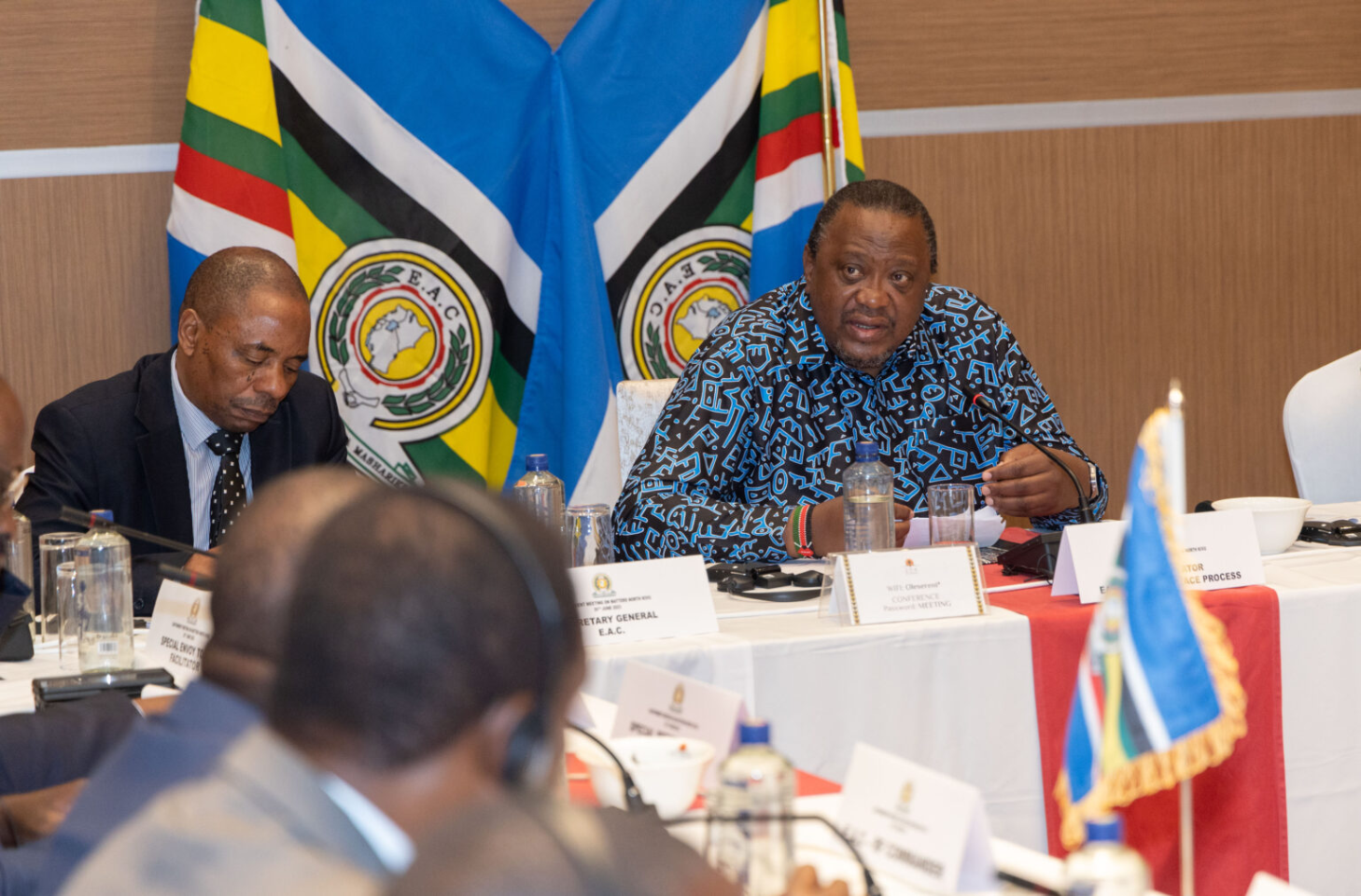
Reports that Ruto’s advisers are pushing for Kenyatta’s replacement as the DRC peace facilitator represent a significant risk to the Nairobi Process. Mediation is built on trust and continuity two assets Kenyatta possesses in Kinshasa, but which are currently being sacrificed on the altar of domestic political consolidation.
The SADC pushback: Ruto’s "premature diplomacy" including the release of facilitator lists not yet vetted by SADC, has already sparked friction with Southern African leaders.
The trust deficit: Kinshasa’s withdrawal of the Kenya-led EAC Regional Force last year was a warning; the marginalization of Kenyatta could be the final blow to Kenya’s credibility as a neutral arbiter in the Great Lakes.
The Red Sea standoff
In the Horn of Africa, the air is thick with the rhetoric of "existential necessity." Ethiopia’s continued push for sovereign maritime access has forced a radical realignment of regional powers.
The denial by Egypt of a "secret deal" with Ethiopia for Red Sea access underscores the deep-seated mistrust in the region. Instead, we are seeing the emergence of a Cairo-Asmara-Mogadishu axis designed to contain Addis Ababa’s maritime ambitions.
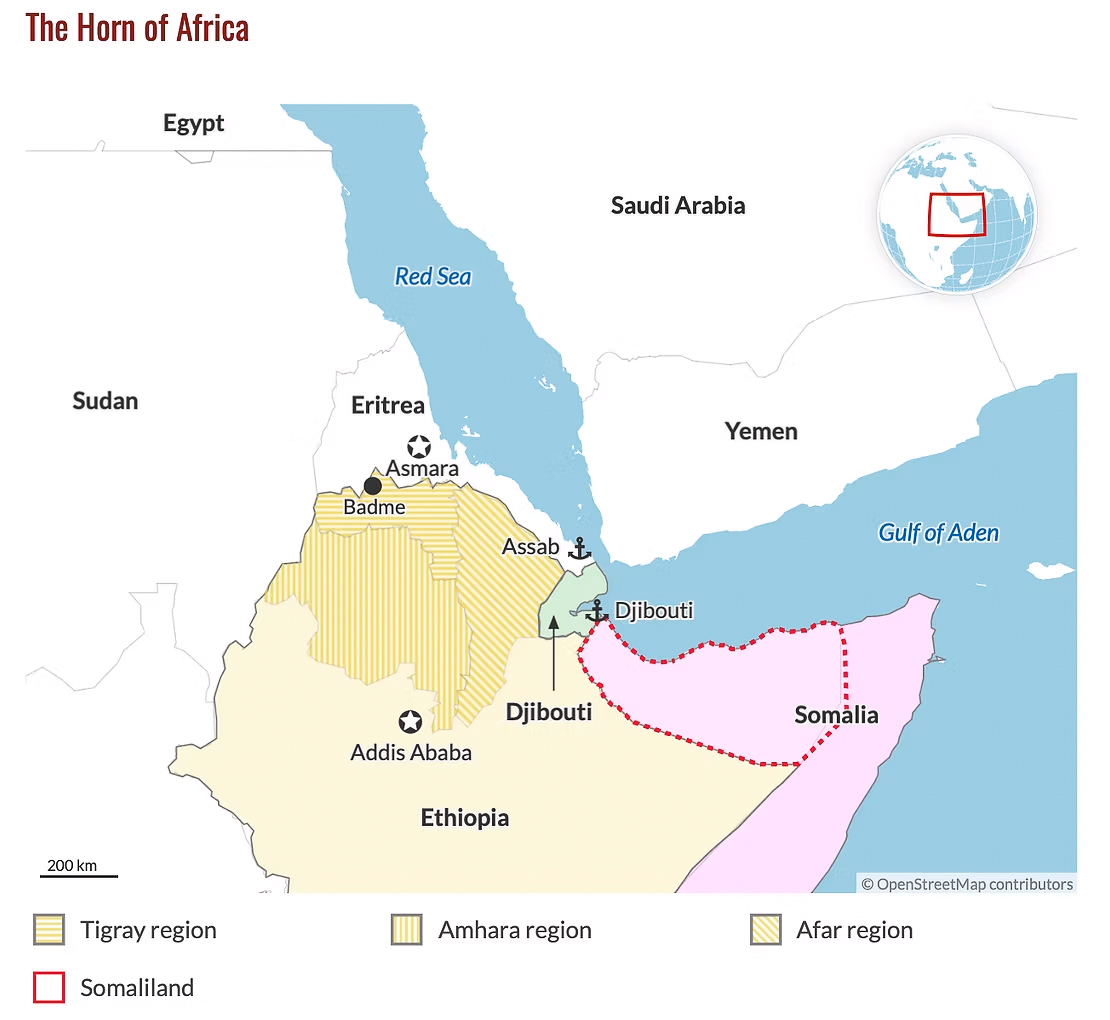
Eritrea on high alert: Asmara has placed its military on maximum alert, viewing Ethiopia’s rhetoric not as a trade request, but as a sovereignty threat to the port of Assab.
The Somaliland complication: Ethiopia’s memorandum with Somaliland remains the "third rail" of regional politics, complicating Somalia’s territorial integrity and drawing in external actors like the UAE and Turkey.
Sudan and the weight of accountability
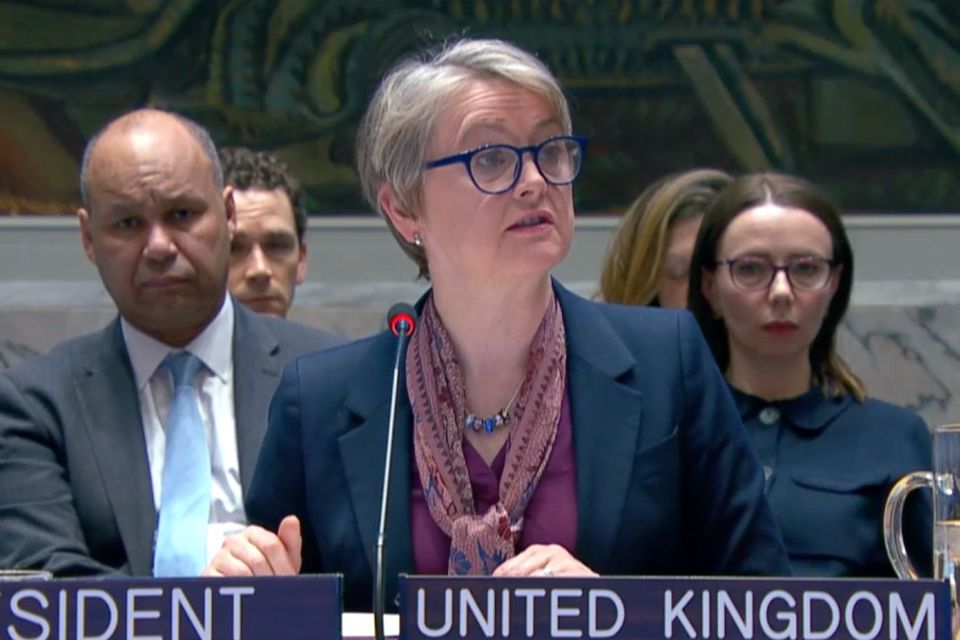
While Kenya and Ethiopia navigate political and maritime chess, the UN Security Council has finally moved against the architects of the Darfur tragedy. The sanctions imposed on four RSF commanders including Abdul Rahim Hamdan Dagalo, mark the most significant international intervention in the Sudanese conflict since it ignited in 2023.
These sanctions, which include global asset freezes and travel bans, are a direct response to the "hallmarks of genocide" documented in El Fasher. However, for these measures to be effective, regional neighbors must close the "logistical corridors" that allow arms to flow into Sudan via illicit routes in the Sahel and the Horn.
Institutionalizing neutrality
To prevent a total collapse of regional security, African policy makers must prioritize the following:
Regional bodies (AU, EAC, SADC) must ensure that peace facilitators like Uhuru Kenyatta are protected from the shifting winds of their home country’s internal politics.
Ethiopia’s need for sea access is real, but it must be addressed through negotiated commercial leases rather than "existential entitlement" that triggers war footing in Eritrea.
The AU must back the UN’s RSF sanctions with its own regional enforcement mechanisms to ensure that sanctioned commanders cannot find safe haven in neighboring capitals.
The "Mediation Crisis" of 2026 is a warning: when the arbiter becomes a party to the rift, peace has no home.