For years, Chad has been the "anchor" of stability in a turbulent Sahel. But as of January 2026, that anchor is dragging. The civil war in Sudan has morphed from a neighboring tragedy into a three-front crisis for Chad humanitarian, political, and economic.
At African Diplomat, we are zooming in on the "fine print" of this spillover. It isn't just about refugees; it’s about the survival of the Chadian state itself.
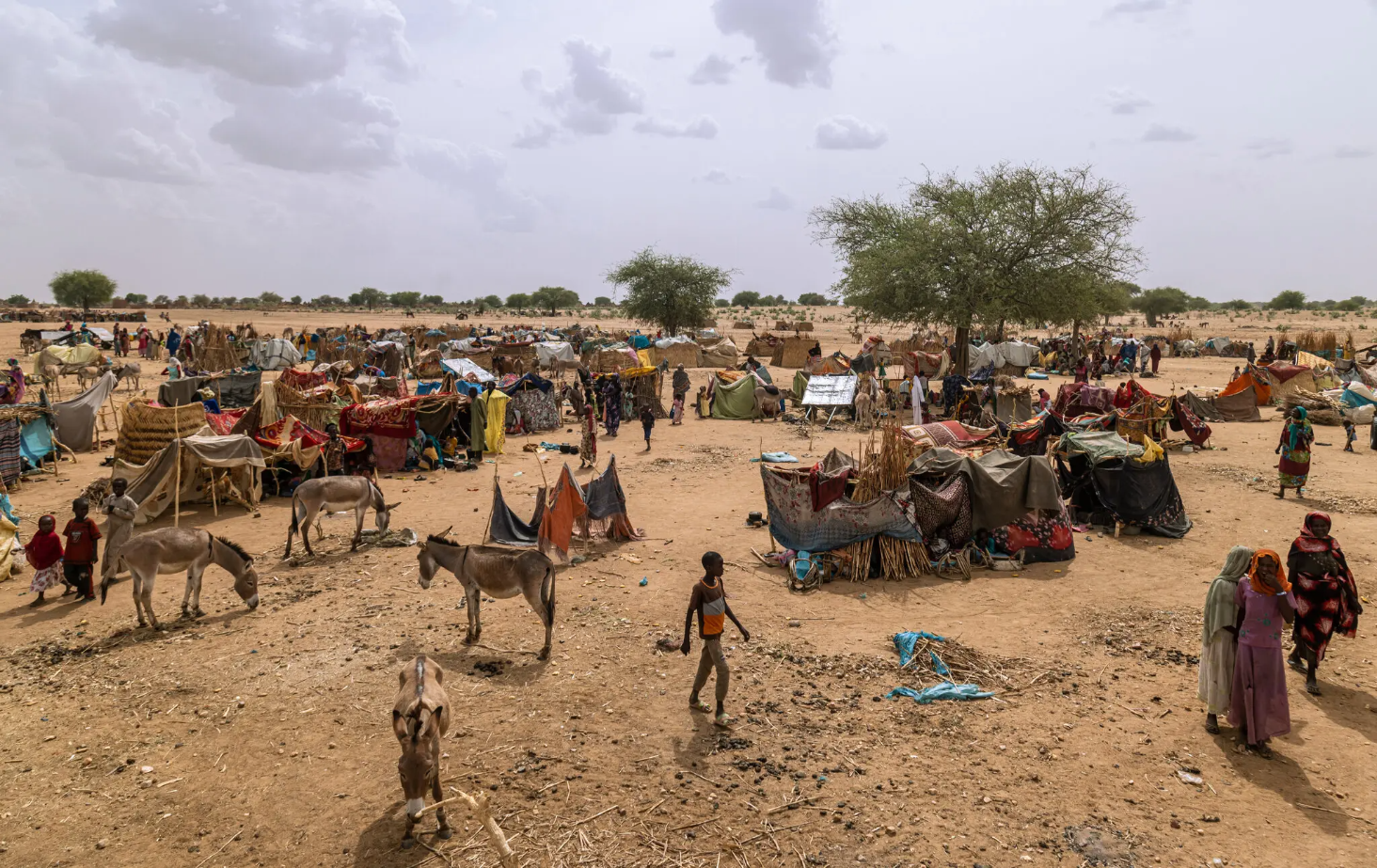
1. The east: A humanitarian "city" with zero budget
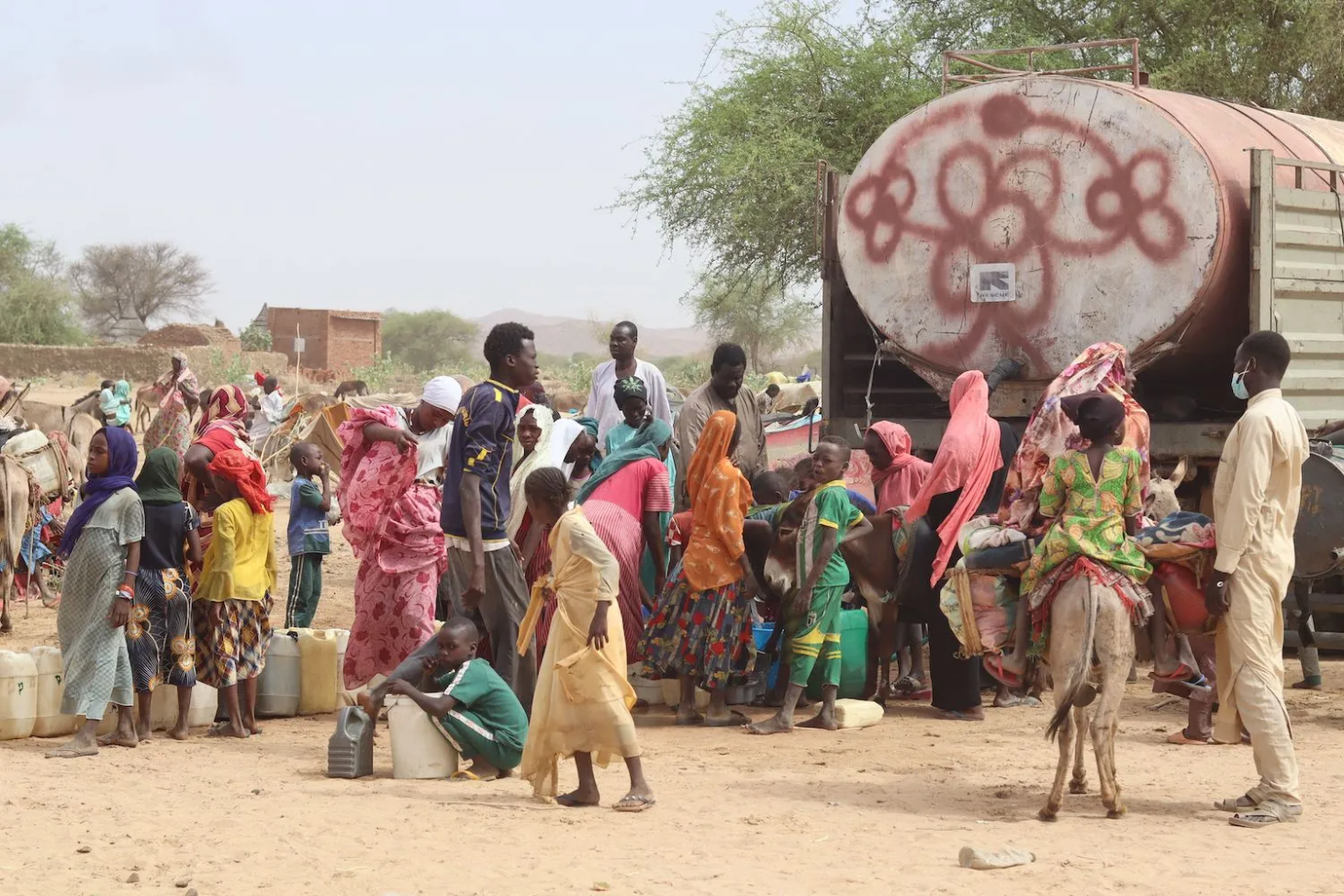
The numbers are staggering. Chad now hosts over 1.2 million Sudanese refugees. In towns like Adré, the population has ballooned from 20,000 to 250,000 almost overnight.
The Funding Cliff:
13%: That is how much of the humanitarian need was funded by mid-2025.
The "Aid Wipeout": Following a freeze in U.S. foreign assistance in 2025, major aid programs are set to expire this year, leaving millions without a safety net.
Health Crisis: One in five children arriving at the border is acutely malnourished, and cholera outbreaks are now a recurring nightmare.
2. The internal rift: The "Zaghawa" dilemma
This is perhaps the most dangerous "invisible" threat. President Mahamat Idriss Déby is walking a political tightrope.
Much of Chad’s ruling elite belongs to the Zaghawa clan. Across the border in Darfur, the RSF is accused of committing atrocities against the Sudanese Zaghawa. This has created a "civil war within the palace." Chadian Zaghawa leaders are furious that their government is being accused of allowing the UAE to use Chadian soil to supply the very RSF units killing their kin.
The result? Military desertions. Hundreds of Chadian soldiers have reportedly abandoned their posts to join militias in Sudan to fight against the RSF.
3. A two-front war: Sudan vs. Boko Haram
Chad's military, once the region's powerhouse, is being pulled in two opposite directions.
The East: The Sudanese Armed Forces (SAF) have officially threatened "retaliatory action" against Chadian airports, alleging they are transit points for weapons. This is a hair-trigger security risk.
The West: While the army is pinned to the Sudan border, Boko Haram has surged in the Lake Chad region. Following a series of deadly attacks in late 2024 and 2025, Chad is fighting a two-front war with a depleted treasury.
4. The economic "shadow"
The border closure has shattered the local economy. In some border regions, the price of staples and fuel has skyrocketed by 70% to 300%.
The Illicit market: A sprawling "war economy" has emerged. Eastern Chad is now a hub for goods looted in Sudan like vehicles, fuel, and weapons which are sold on the black market. Meanwhile, the influx of workers has driven down local wages, sparking a dangerous rise in xenophobia as local Chadians struggle to compete for jobs.
Authentic insight: Can the center hold?
The "Sudan Trap" is simple: Chad cannot stop the refugees, it cannot ignore its ethnic ties to Darfur, and it cannot survive a war with the Sudanese army while fighting Boko Haram.
The world’s attention is on the battle for Khartoum, but the battle for N'Djamena’s stability is equally critical.
Join the Conversation
Is the international "aid freeze" a strategic mistake that will destabilize the entire Sahel?
How can President Déby balance his clan's loyalty with his international diplomatic ties?