As world leaders gather in New York for the 80th session of the United Nations General Assembly (UNGA), the Gaza war remains one of the most divisive issues on the global stage. For African states, this moment is more than just a vote in the UN chamber, it is a test of solidarity, regional influence, and national interest.
African nations have historically aligned with the Global South in supporting Palestinian self-determination. Yet, recent votes on Gaza resolutions at the UN have shown a more complex picture. Some countries, like South Africa and Algeria, remain firm in their calls for accountability and an end to what they describe as Israeli aggression. Others, however, have chosen to abstain or hedge their positions, signalling the weight of diplomatic, economic, and security partnerships with both Western allies and Middle Eastern powers.
This divergence reveals a tension: should Africa speak with one united voice, or should each country act based on national calculations?
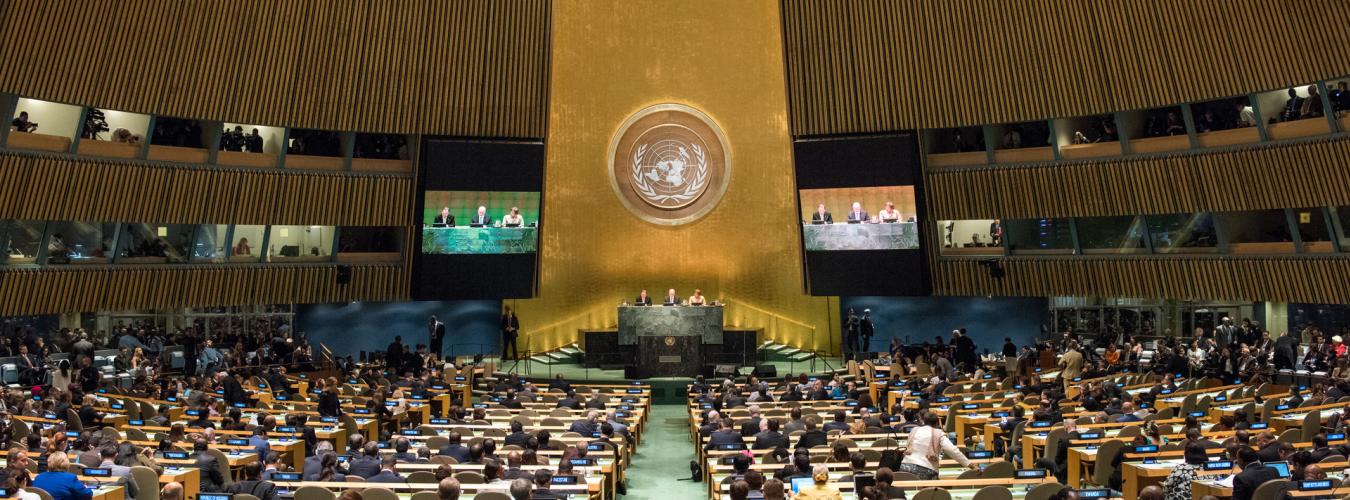
Kenya, Ghana, and a few others have taken more cautious positions, aware of their growing ties with Israel and the United States. At the same time, countries such as Egypt and Morocco must navigate their own regional roles, balancing Arab League commitments with domestic priorities. These choices show how African diplomacy is shaped not only by solidarity with Palestine but also by trade, security, and energy interests.
At UNGA, speeches often draw applause, but it is the voting records that reveal the true fault lines. When African states vote differently on Gaza, it weakens the image of a “United Africa” in global diplomacy. Still, this plurality of positions also reflects Africa’s growing independence, a readiness to navigate international affairs on its own terms.
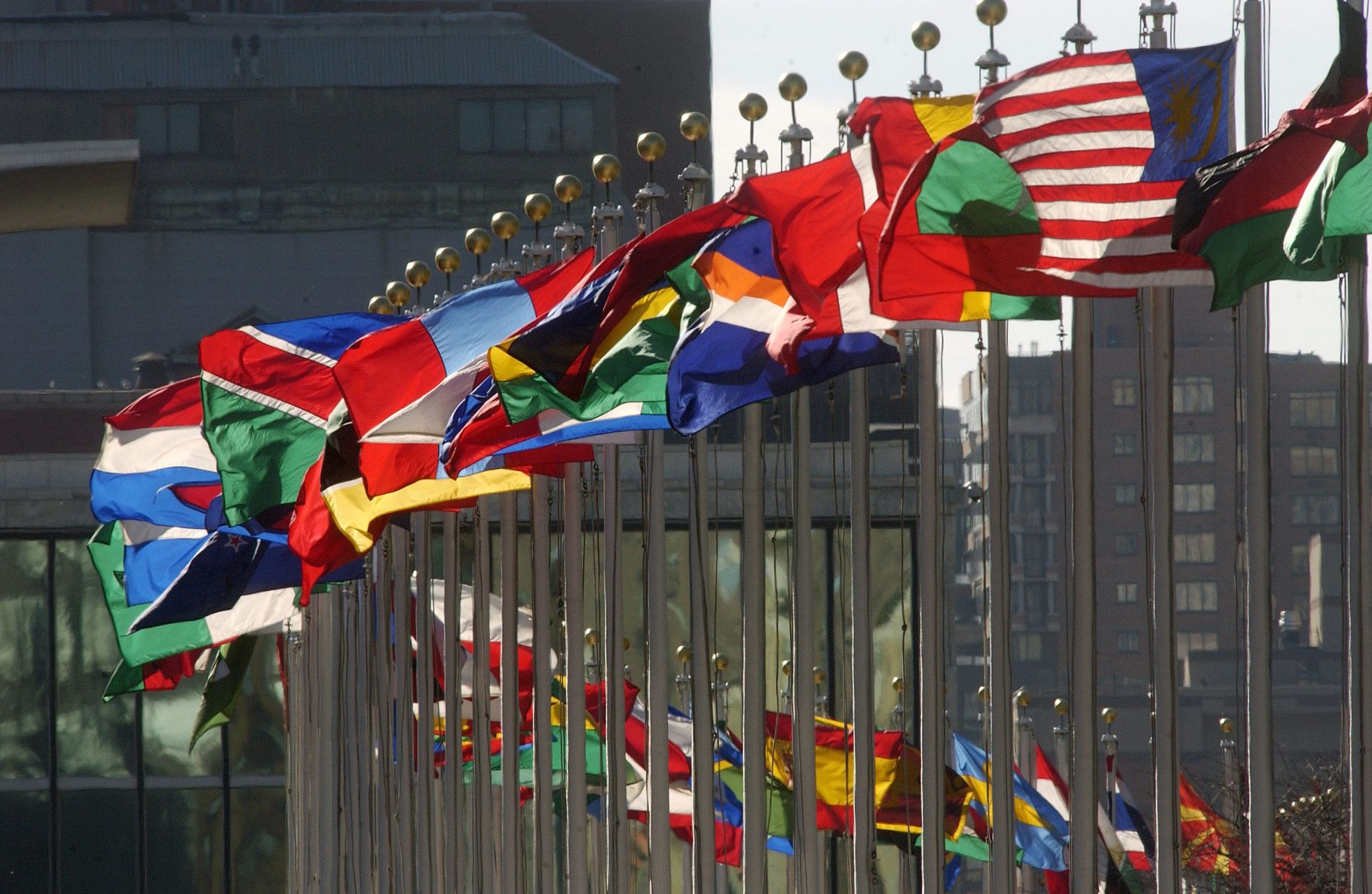
For many African citizens, the Gaza conflict is not distant. It echoes struggles against colonialism, resonates with faith communities, and shapes foreign policy debates at home. The world is watching whether Africa can rise above national divides to assert a stronger collective voice on peace and justice.
The 80th UNGA may not settle the Gaza question, but it offers a window into the future of African diplomacy: a continent at a crossroads between solidarity and sovereignty.