For decades, the rolling hills of eastern Democratic Republic of Congo (DRC) and the mist-covered borders of Rwanda have been the backdrop for one of the world’s most complex and enduring security crises. In the Great Lakes region, diplomacy is not merely a matter of statecraft; it is a matter of survival for millions. On March 18, 2026, the global spotlight shifted to Washington D.C., where high-level officials from Kigali and Kinshasa emerged from closed-door sessions with a signed document that many hope will finally break the cycle of proxy warfare and territorial tension: The Washington Accords for Peace and Prosperity.
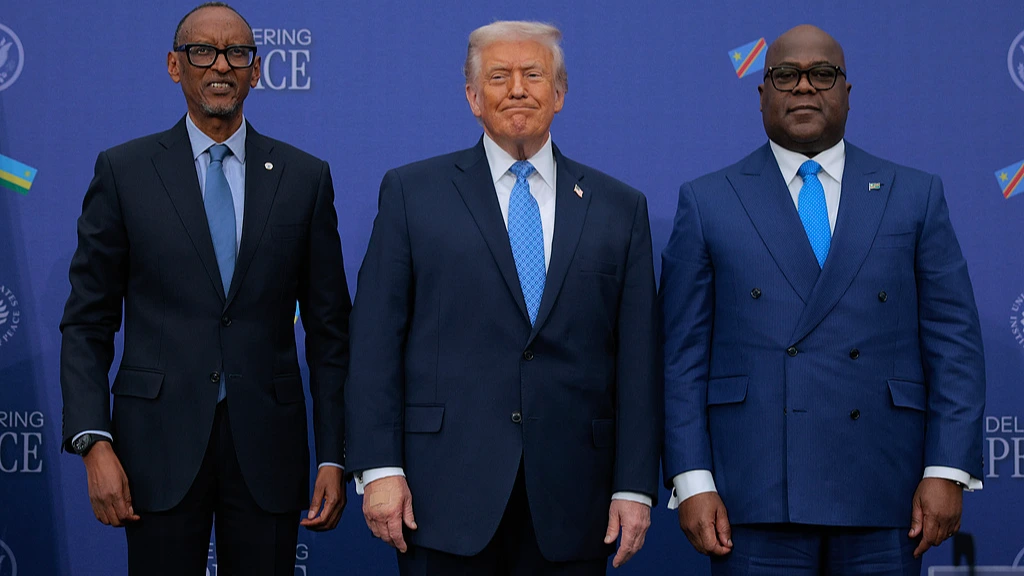
As we analyze this development for The African Diplomat, we must look beyond the formal handshakes. For Herlee Media Hub, the story is not just about the "what," but the "how", how these high-level signatures translate into a mother in North Kivu finally sleeping without the fear of artillery, and how two neighbors can pivot from mutual suspicion to shared economic growth.
Beyond Stalled Efforts: Why the Washington Accords are Different
The road to Washington was paved with the skeletons of previous agreements. From the Luanda Process to the Nairobi Talks, the region has seen numerous "ceasefires" that evaporated within weeks. However, the March 2026 talks arrived under a fundamentally different geopolitical climate.
Earlier this month, on March 2, the United States signaled a hardening of its stance by issuing a new wave of targeted sanctions against key figures seen as obstructing peace. This "carrot and stick" approach by the international community created a sense of urgency that was previously lacking. Unlike the broad, often vague commitments of the past, the Washington Accords are anchored in an explicit, mutual commitment to respect sovereignty and territorial integrity.
By reaffirming these principles in a neutral, high-pressure forum, both nations have signaled a shift. Rwanda has historically cited security concerns regarding genocidal remnants on its border, while the DRC has pointed to external support for the M23 insurgency as a violation of its borders. The Washington Accords attempt to solve this "security-sovereignty" paradox by linking the two issues in a single, synchronized timeline.
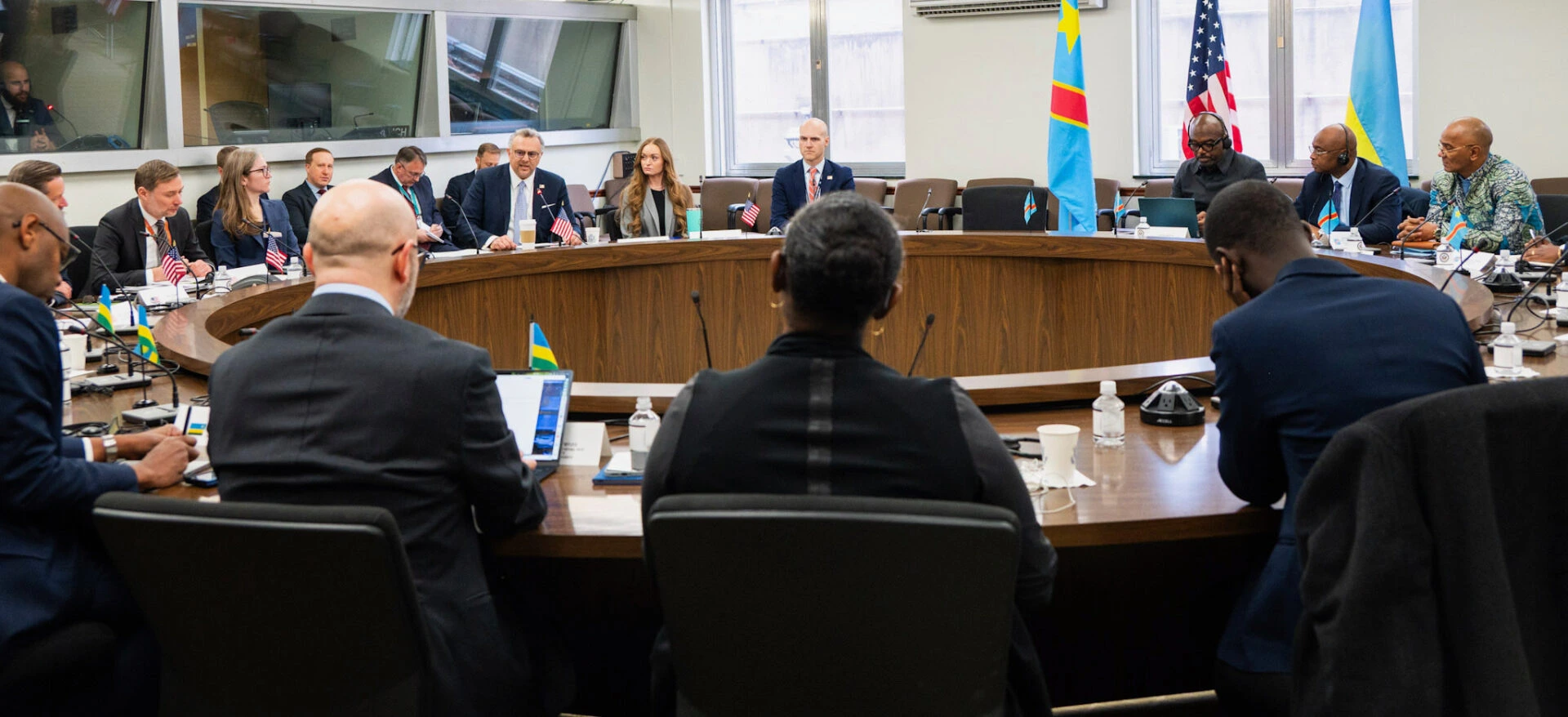
The Blueprint: Phased Security and Actionable Steps
The true test of any peace deal lies in its implementation. The Accords outline a "phased security action plan" that moves away from rhetoric and toward verifiable military shifts.
1. The Disengagement of Rwandan Measures Under the agreement, Rwanda has committed to a scheduled disengagement of its defensive measures and personnel from specific border zones. This is a critical concession aimed at lowering the temperature and addressing Kinshasa’s long-standing grievances regarding foreign military presence on its soil.
2. Kinshasa’s Time-Bound Pledge In a reciprocal move, the DRC government has made a time-bound pledge to neutralize the FDLR (Democratic Forces for the Liberation of Rwanda). For years, this group has been a thorn in the side of regional relations. By committing to a strict, monitored schedule for dismantling these elements, Kinshasa is taking a significant step toward addressing Kigali's legitimate security anxieties.
3. The Shadow of the M23 Crucial to the success of these steps is the management of the M23 group. The Accords acknowledge that without a permanent solution to the M23 threat, de-escalation is a house built on sand. The Washington framework integrates these rebel groups into a broader regional demobilization strategy, backed by international oversight to ensure that "de-escalation" isn't just a temporary regrouping.
The Impact Story: From Policy to People
At Herlee Media Hub, we believe in Impact Storytelling. While the Washington Accords are discussed in five-star hotels, their impact is measured in the villages of Rutshuru and Masisi.
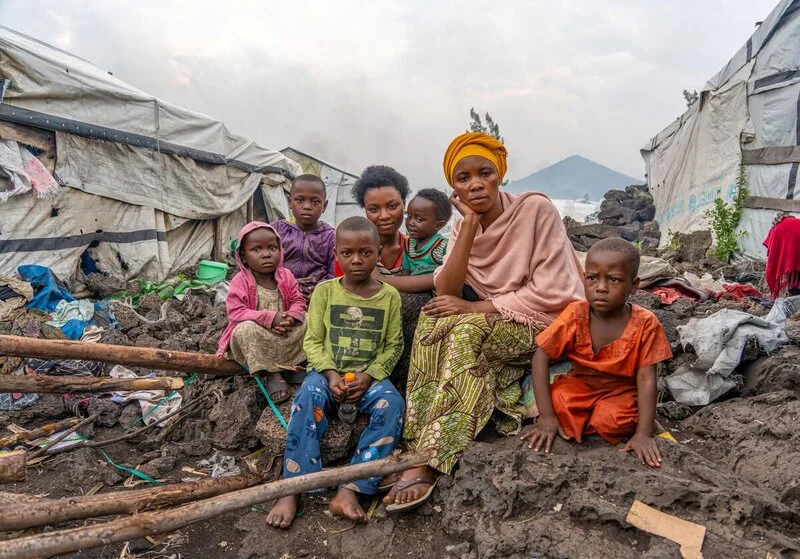
When we talk about "neutralizing armed groups," we are really talking about the reopening of schools. When we discuss "territorial integrity," we are talking about the return of nearly 7 million internally displaced persons (IDPs) to their ancestral lands. For a Congolese farmer, the Washington Accords represent the hope that the harvest they plant today will be theirs to reap tomorrow, rather than being seized by a militia.
This agreement recognizes that regional stability is the ultimate humanitarian aid. By reducing the military footprint, the Accords pave the way for human rights observers and humanitarian corridors to function without the constant threat of crossfire.
A Turning Point for Economic Integration?
Can this moment mark a genuine pivot toward the Regional Economic Integration Framework (REIF)? The potential is staggering. The Great Lakes region sits on a wealth of minerals, agricultural potential, and human capital that has been held hostage by conflict.
If the Washington Accords hold, the "Peace Dividend" could be transformative. We could see:
Cross-border trade flourishing as checkpoints transition from military outposts to customs offices.
Energy cooperation, particularly in the tapping of methane gas in Lake Kivu, which could power both nations.
Infrastructure projects, such as the extension of road networks linking Goma to the East African hinterland, becoming bankable ventures rather than high-risk gambles.
The Audacity of Implementation
The Washington Accords for Peace and Prosperity provide a rare window of opportunity. The inclusion of clear, actionable steps and the backdrop of international accountability suggest that this is more than just another photo opportunity.
However, diplomacy is a marathon, not a sprint. The coming months will require immense political will from both President Tshisekedi and President Kagame to silence the hawks within their own borders and honor the "Washington timeline."
For the African diplomat, the goal is clear: transition from a "security first" mindset to a "development first" reality. If the March 2026 talks succeed, the story of the Great Lakes will no longer be one of tragedy and intervention, but one of resilience and a shared, prosperous future.