As the gavel passed to Burundi, the new chair of the AU Bureau, the focus pivoted sharply to the 2026 theme: “Assuring Sustainable Water Availability and Safe Sanitation Systems to Achieve the Goals of Agenda 2063.”
In the corridors, the discussion wasn't just about pipelines, but sovereignty. Diplomatic circles noted that by linking water directly to Agenda 2063, the AU is signaling that Africa’s industrial and social takeoff is impossible without solving the irrigation and sanitation crisis that costs the continent billions in GDP annually.
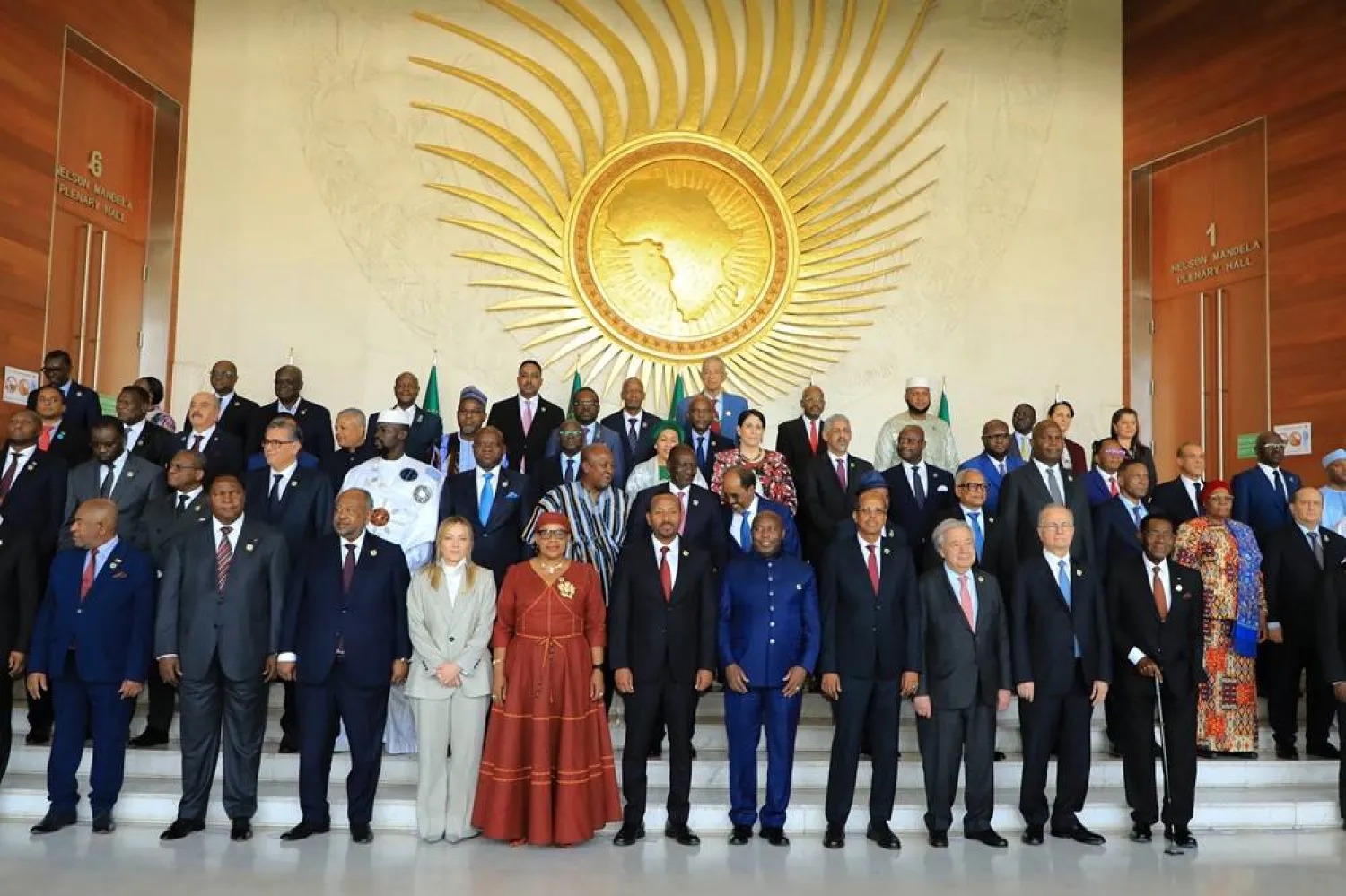
Redefining history: Crimes against humanity
In a moment that silenced the assembly, the AU adopted a landmark resolution: the formal declaration of colonialism and slavery as crimes against humanity.
This isn't merely a symbolic gesture for the history books. For diplomats, this serves as a legal and moral bedrock for future international engagements. It provides a unified African framework for:
Transnational justice negotiations.
Diplomatic leverage in North-South dialogues.
Strengthening the "Common African Position" on the restitution of heritage resources.
The message was clear: Africa is no longer asking for its history back; it is asserting a legal right to its return.
Security: The "Preventive democracy" pivot
The shadows of the Sudan crisis and instability in the Great Lakes region loomed large. While IGAD (the Intergovernmental Authority on Development) worked the rooms to lobby for regional peace initiatives, Kenyan President William Ruto took the floor with a blunt assessment of the continent’s security architecture.
Ruto’s intervention shifted the focus from reaction to prevention. He argued that the AU’s current toolkit for handling illegal military coups is insufficient.
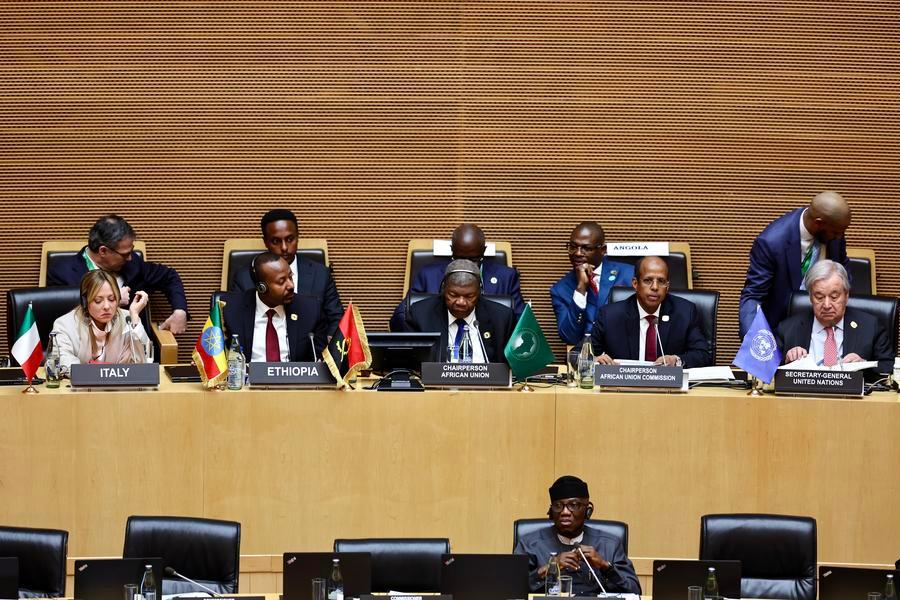
Key security objectives identified:
| Issue | AU/IGAD Strategy |
| Sudan Crisis | Accelerated mediation and humanitarian corridors. |
| Great Lakes | Strengthening regional oversight and non-aggression pacts. |
| Military Coups | Enhanced enforcement of governance principles and "preventive" funding. |
The path forward
As the delegates depart Addis Ababa, the 39th Ordinary Session leaves behind a blueprint that is as much about the past as it is the future. By equating water security with economic survival and colonialism with international crime, the AU has sharpened its diplomatic edge.
For those in the halls of power, the work now shifts from the "what" to the "how." The Burundi-led Bureau faces a year where the success of Agenda 2063 will be measured not in speeches, but in the flow of clean water and the stability of democratic institutions.