On 21 September, the African Union (AU), European Union (EU), and United Nations (UN) came together in New York for their sixth trilateral meeting on the sidelines of the UN General Assembly. At first glance, it might seem like another high-level diplomatic talk. But for Africa, where conflicts continue to threaten lives and development, this meeting carried serious weight.
The three bodies reaffirmed their commitment to multilateralism basically, the idea that global problems need collective solutions. In a world where unilateral actions often deepen divisions, the AU, EU, and UN agreed that working together is the only way forward. They also condemned violations of international and humanitarian law, sending a clear message: civilian lives must be protected, no matter the battlefield.
The EU and AU strongly support the UN, the backbone of our rules-based order. We are joining forces for peace, stability and security in the world.
President Costa, 21 September 2025
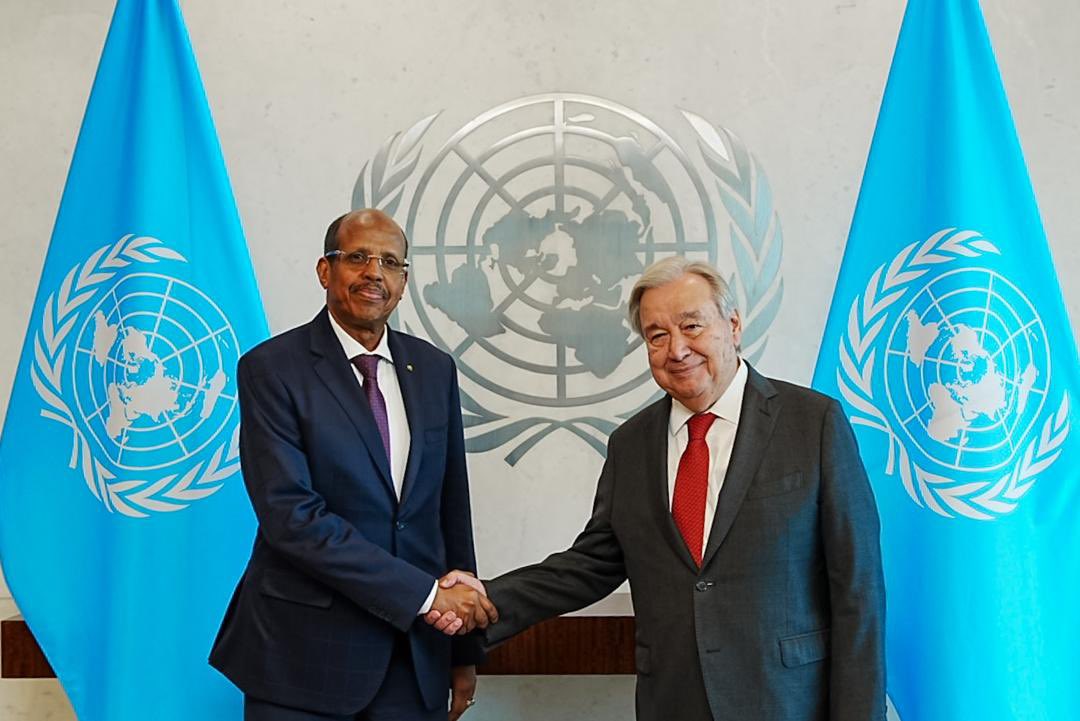
A large part of the conversation focused on Africa’s conflict zones, Sudan, the Sahel, Libya, the Democratic Republic of Congo (DRC), and Somalia. Each of these crises is different, but they share common threads: weak governance, armed groups, external interference, and devastating impacts on ordinary people.
- Sudan: After more than a year of civil war, the humanitarian situation is worsening. Millions are displaced and aid access is shrinking.
- Sahel: From Mali to Niger, coups and extremist groups continue to destabilize the region.
- Libya: Political deadlock still blocks progress toward elections and reconciliation.
- DRC: Fighting in the east shows no sign of ending, with armed groups fueling instability.
- Somalia: Gains against al-Shabaab remain fragile, especially as African peacekeepers prepare to exit.
By putting these issues on the table, the trilateral meeting showed that Africa’s peace and security remain a global priority.
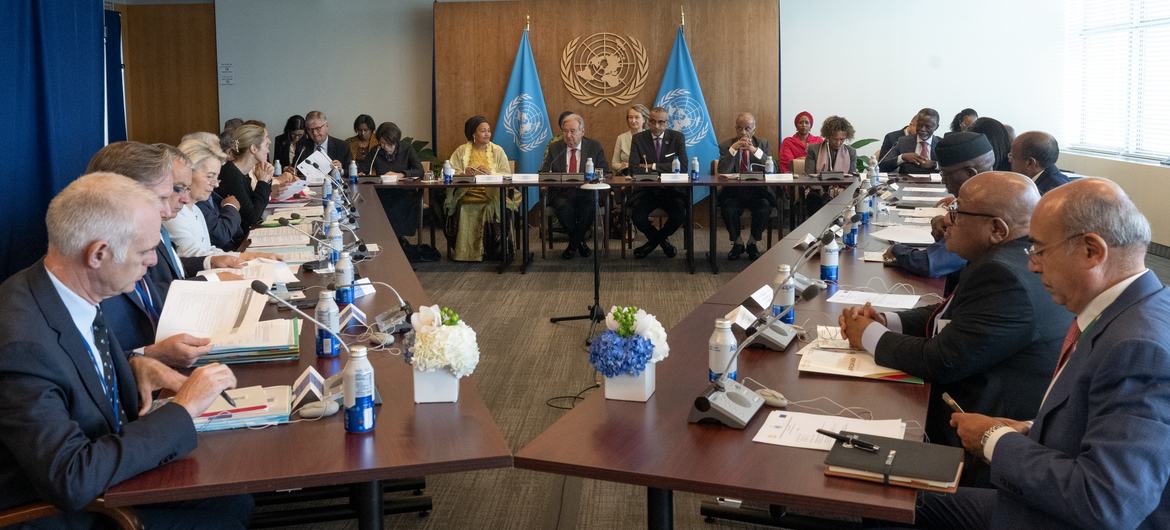
Talk is not enough and African citizens know this. But when the AU, EU, and UN align their positions, it increases pressure on all sides of a conflict to find solutions. Joint action can mean:
- More coordinated peacekeeping efforts
- Stronger humanitarian access
- Unified diplomatic pressure on warring parties
- Shared funding for stabilization programs
For African countries, this cooperation also means their voices are carried further on the world stage.
The big question now is follow-through. Will these pledges translate into tangible action in Sudan or Somalia? Will the Sahel get sustained international support, or just words? For Africa’s millions living through conflict, the answers can’t come soon enough.