On September 2, 2025, Senegal’s President Bassirou Diomaye Faye opened the African Food Systems Forum in Diamniadio with a strong message: Africa’s future depends on how we grow and share food.
He warned that farming across the continent is too vulnerable. Most African countries rely on rain-fed agriculture, but climate change has made rainfall less reliable. Droughts, floods, and rising temperatures are leaving millions at risk of hunger. According to the FAO, more than 250 million Africans already face food insecurity.
“Investing in agriculture is no longer optional - it is urgent,” President Faye said.
He called for better water management, modern farming tools, digital solutions, and innovation to secure Africa’s food future.
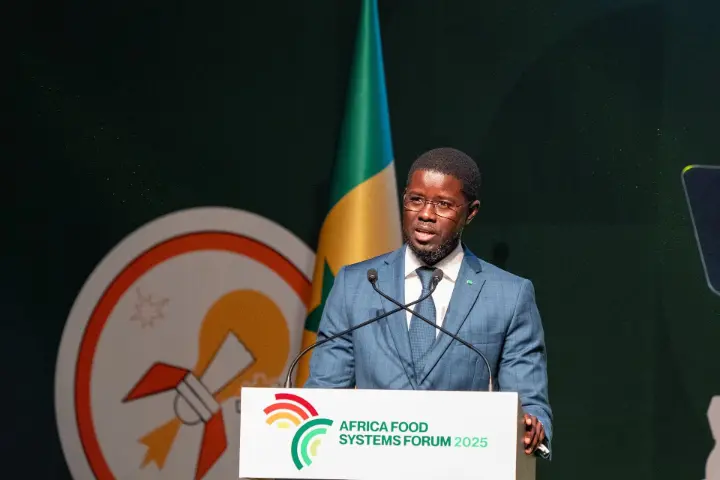
Senegal’s President Bassirou Diomaye Faye during the opening of the African Food Systems Forum in Senegal.
Food security as diplomacy
This appeal is bigger than farming. It is about diplomacy and peace. When food is scarce, conflicts rise, migration grows, and economies suffer. But when food systems are strong, societies are stable and nations can work together.
That is why President Faye’s call is really about agri-diplomacy using cooperation on food and farming to build stronger ties across Africa. With leaders like Rwanda’s President Paul Kagame joining the forum, the message is clear: no single country can solve this alone.
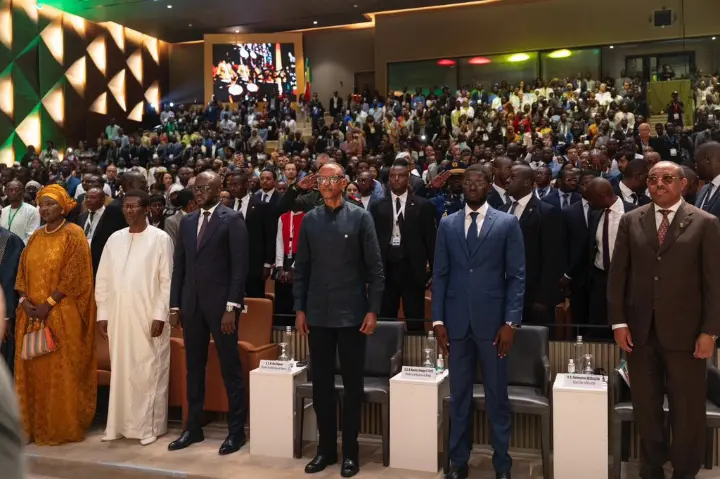
Regional action and innovation
Shared investment in irrigation, cross-border research, and regional markets will be key. Technology also offers hope. From mobile apps that link farmers to buyers, to satellite data that predicts rainfall, Africa already has tools to fight climate shocks. What is needed now is political will and financing to make these solutions available to every farmer, not just a few.
A turning point
The forum runs until September 5, giving leaders, experts, and investors a chance to act. President Faye’s message is both a warning and an invitation: Africa can either stay dependent on outdated systems or step forward as a global leader in resilient, innovative food production.
If Africa acts now, it can turn this crisis into an opportunity to feed its people and shape the future of global agriculture.