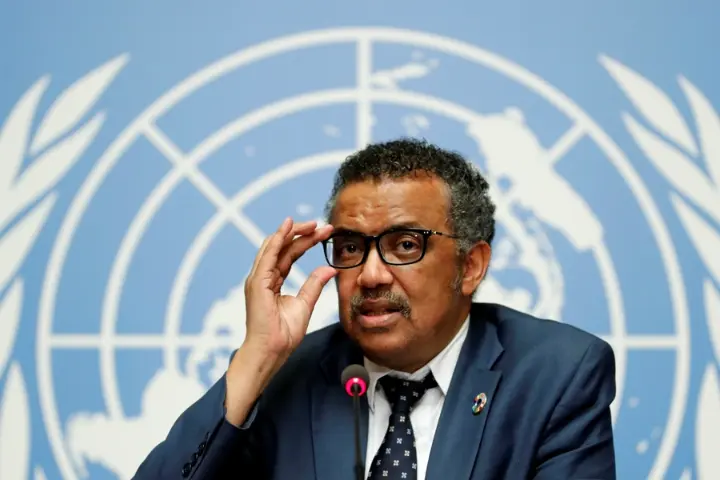
In Lusaka last week, Africa took centre stage in global health diplomacy as the World Health Organization (WHO) pledged renewed support for the continent’s fragile health systems. Speaking at the 75th WHO Regional Committee meeting, Director-General Dr. Tedros Adhanom Ghebreyesus reaffirmed the organisation’s commitment to helping 47 African countries build resilient, self-reliant health systems capable of withstanding crises (Guardian Nigeria | MyJoyOnline).
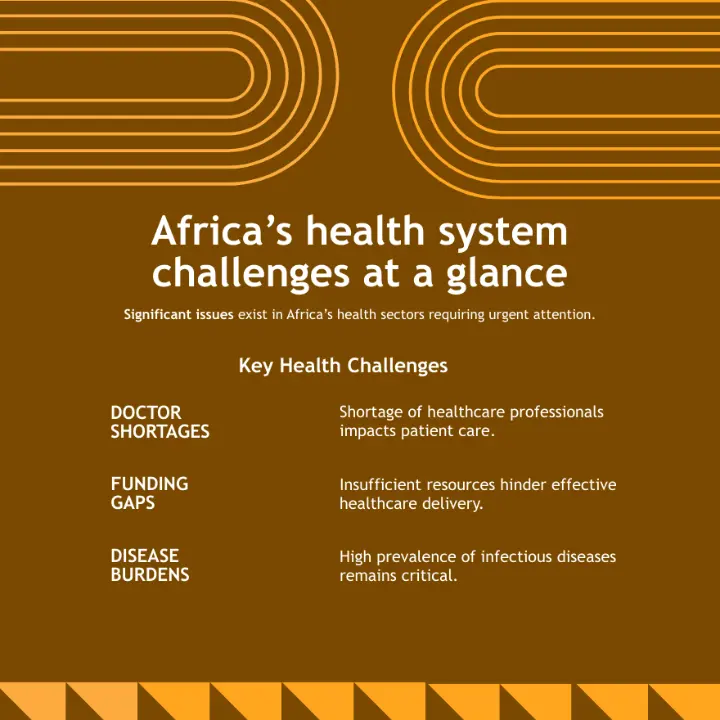
Africa’s health landscape has long been defined by paradox. While the continent has made significant strides in tackling infectious diseases, reducing maternal deaths, and rolling out vaccines, its systems remain highly vulnerable. Funding shortfalls, brain drain in the medical sector, recurrent disease outbreaks, and the growing burden of non-communicable diseases have tested national capacities. Add to this the instability caused by conflict and climate shocks, and the cracks in healthcare delivery become glaring.
Dr. Tedros’ pledge is not just another diplomatic statement it signals a strategic shift in global health governance. For decades, Africa’s health programmes have relied heavily on donor-driven models. While lifesaving, this dependency often left countries struggling to sustain interventions once external funding dried up. The Lusaka meeting underscored the need to “move from aid to autonomy,” where African nations design, finance, and manage systems that endure beyond emergency cycles.
Central to WHO’s push is the idea of health sovereignty: empowering African governments to set priorities, mobilise domestic resources, and strengthen human capital. This means investing in training and retaining healthcare workers, modernising infrastructure, and scaling up innovations like digital health records and community-based care. It also requires addressing governance gaps ensuring accountability, transparency, and equity in how health budgets are used.
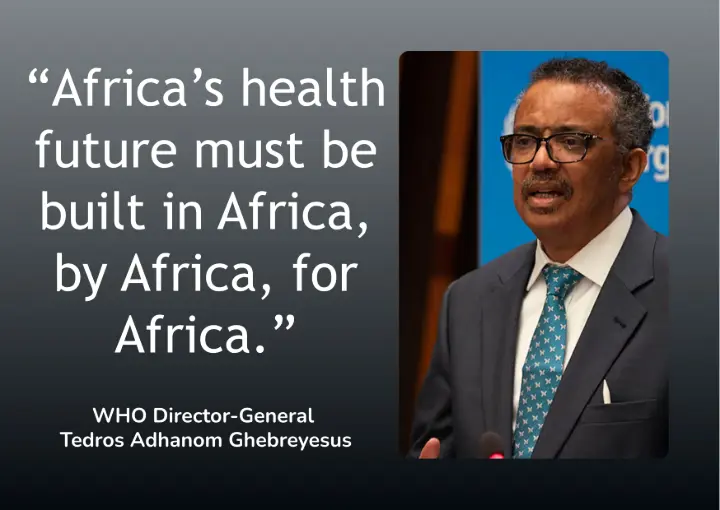
Beyond the technicalities, this renewed focus on African health systems is deeply diplomatic. By framing health as a matter of security, development, and dignity, WHO is nudging global partners to see Africa not as a perpetual recipient of aid, but as an equal player in shaping solutions. Health diplomacy, in this sense, becomes a tool for strengthening continental solidarity, securing international partnerships, and amplifying Africa’s voice in global forums.
As the Lusaka commitments translate into action, the stakes are high. A stronger, self-reliant health system means fewer preventable deaths, better preparedness for future pandemics, and healthier populations driving economic growth. It also means that the next generation of African children may inherit a continent where access to healthcare is a right not a privilege.