Ivory Coast is fighting a new kind of battle not with weapons, but with words. In recent weeks, Abidjan has raised the alarm over a wave of false information flooding social media, some of it claiming that President Alassane Ouattara had died or that a coup was underway.
Much of this disinformation is believed to originate from neighbouring junta-led states in the Sahel; Burkina Faso, Mali, and Niger. The campaign appears timed to exploit tensions ahead of Ivory Coast’s election period, stirring confusion and distrust among citizens.
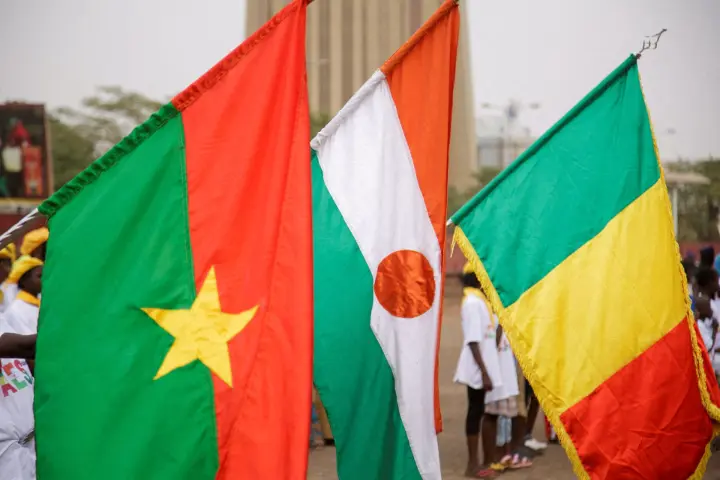
At the same time, diplomatic relations between Abidjan and Ouagadougou have deteriorated. Both sides have accused each other of hostile actions and meddling in internal affairs, leading to a diplomatic withdrawal and a tense silence between former allies.
This isn’t just a local issue, it’s a wake-up call for Africa’s democracies. The rise of “information warfare” is turning fake news into a tool of diplomacy and disruption. Election seasons are becoming vulnerable to cross-border influence, misinformation networks, and possibly even foreign backing.
Ivory Coast’s experience mirrors a growing continental challenge: how do African nations protect their political processes in the digital age? When misinformation crosses borders, it becomes not only a national security threat but also a regional diplomatic crisis.
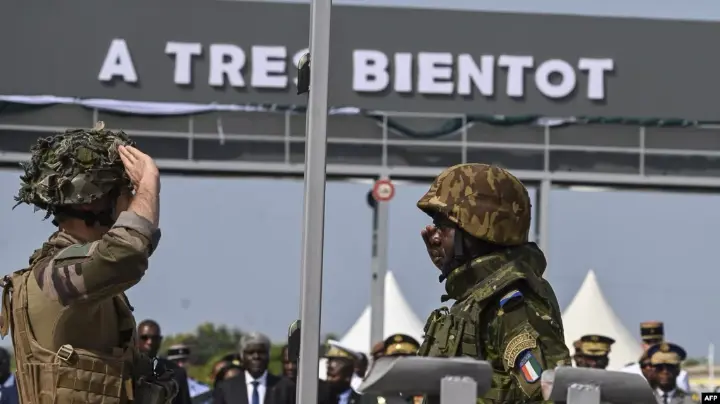
A French soldier, left, salutes an Ivorian soldier as the French soldiers prepare to leave Camp Thomas d'Aquin Ouattara, the former French 43rd Marine Infantry Battalion base in Port-Bouet in Abidjan on Feb. 20, 2025. (VOA)
The Sahel region, long plagued by coups, terrorism, and shifting alliances, is now shaping a new front: digital influence. With the juntas in Mali, Burkina Faso, and Niger distancing themselves from ECOWAS and cozying up to Russia, the information war has become another instrument of power.
Ivory Coast’s pushback will test how African democracies defend their integrity in the age of viral lies. It’s a reminder that fake news isn’t harmless, it’s a diplomatic weapon.
As elections approach across the continent, governments, tech companies, and regional blocs like ECOWAS will need to act fast, not just to fact-check, but to diplomatically counter digital aggression.