In a surprising yet strategic move, the United States has dropped Mali from its controversial visa-bond program, a policy that had stirred diplomatic tension and drawn strong reactions across Africa. The decision marks a subtle but significant diplomatic victory for Mali and a sign that African nations are no longer silent when global powers overreach.
The visa-bond policy, introduced in 2020 and later revised, required citizens from certain countries including Mali to post bonds of up to $15,000 before entering the U.S. The move was originally intended to curb overstays but was widely seen as discriminatory and heavy-handed, especially toward African nations.
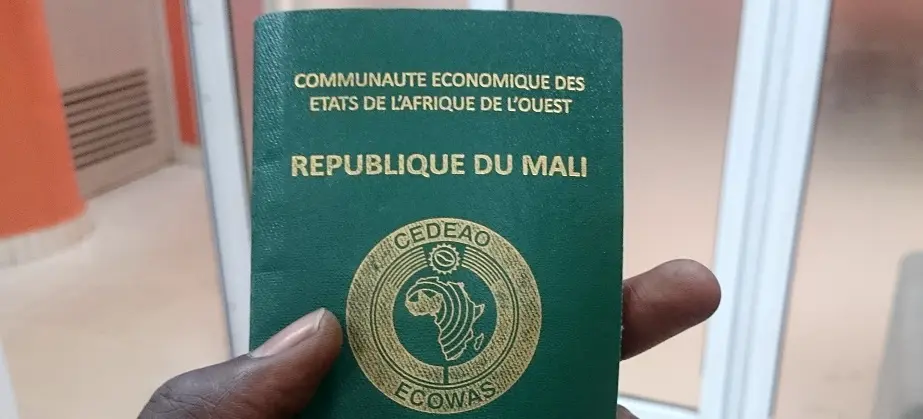
When Mali was added to the list, its government responded swiftly and assertively, imposing reciprocal measures on U.S. travelers and summoning American diplomats for clarification. That reaction sent a clear message: Africa is no longer a passive player in global diplomacy.
Now, the U.S. has quietly reversed course. According to Business Insider Africa, Washington’s decision aims to “ease diplomatic tensions” and reset relations with Mali after months of strained communication.
This move highlights a new chapter in U.S.–Africa relations, one where African capitals are asserting their agency, defending national dignity, and demanding fairness in foreign policy. The Mali case is a reminder that diplomacy is no longer a one-way street; African states can, and do, push back when global powers apply pressure unfairly.

Beyond Mali, this episode offers a broader lesson: migration and diplomacy are deeply connected. Visa rules are not just administrative tools they are political statements about equality, respect, and partnership. The rollback could encourage other African nations to challenge policies that undermine mutual respect.
If handled well, this could mark the beginning of a diplomatic thaw between Washington and Bamako. A renewed partnership might focus on shared goals such as security cooperation, economic growth, and regional stability in the Sahel.
In a global climate where great powers are competing for African influence, the Mali example shows that diplomatic firmness pays off. Sometimes, saying “no” politely but firmly is the most powerful form of negotiation.