In a historic diplomatic shift, the United Kingdom, Canada, Australia, and Portugal have formally recognized the State of Palestine. This wave of recognition adds momentum to the long-stalled push for a two-state solution and signals a potential turning point in global politics.
The announcements come amid growing calls to revive peace talks and address the decades-long Israeli-Palestinian conflict. Many observers see this as part of a coordinated effort to put fresh pressure on both Israel and Palestine to return to negotiations. With more countries expected to follow, the political map of international recognition could change dramatically.
Recognition from countries like the UK and Canada, close allies of the United States, marks a shift in Western policy. Until now, most Western states hesitated to formally recognize Palestine, preferring to link recognition to a final peace deal. By moving ahead, these governments are sending a signal: the status quo is no longer acceptable.
It also adds new weight to Palestine’s position in international forums like the UN, the International Court of Justice, and trade or aid negotiations.
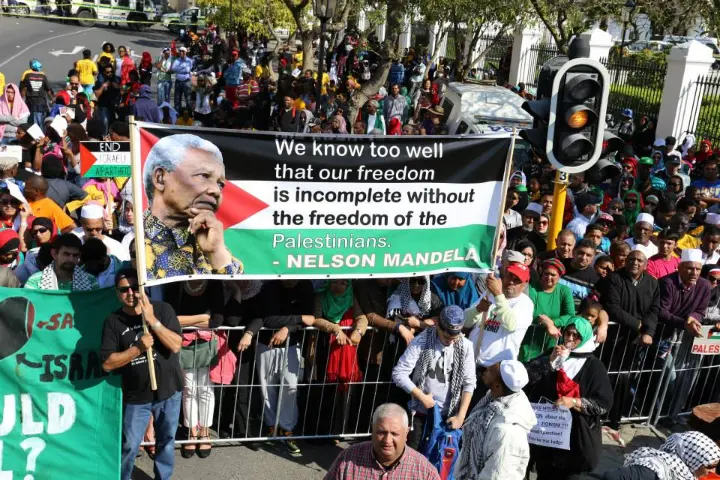
Africa has a long history of supporting the Palestinian cause. Countries such as South Africa, Algeria, and Namibia have consistently voiced strong backing for Palestinian statehood. Shifts like these could deepen that solidarity and also challenge African governments to re-evaluate their diplomatic strategies.
Three key questions now arise:
-
How will African states align themselves?
Will more countries issue stronger statements of support or move towards formal recognition? -
What about multilateral diplomacy?
At the UN and African Union, African states often vote as a bloc. This recognition trend could strengthen their leverage in pushing for resolutions or peace talks. -
What’s the impact on aid and partnerships?
African governments balance relationships with both Middle Eastern and Western powers. New recognition could shift bargaining positions in trade, development, and security cooperation.
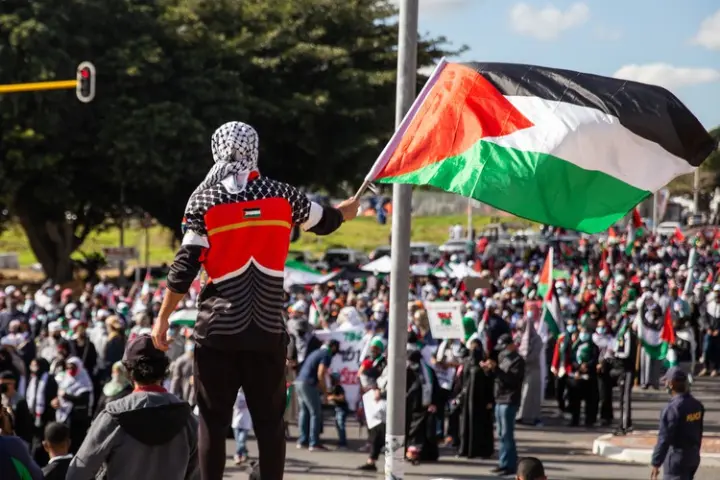
Momentum is building, but recognition is only the first step. The real test will be whether this symbolic move translates into concrete progress towards peace and justice. For Africa, the developments offer both opportunity and challenge: a chance to amplify its voice on the global stage, while carefully navigating the complex web of alliances that shape today’s world.
As the list of recognizing countries grows, the question remains: will Africa seize the moment to lead with a united, influential stance?