When people think about global diplomacy and finance, tiny island nations rarely make the headlines. Yet last week, São Tomé & Príncipe, a small island state in the Gulf of Guinea with fewer than a quarter of a million people, found itself at the centre of international economic discussions.
From 22 to 26 September 2025, a team from the International Monetary Fund (IMF) wrapped up a mission in the country, reviewing its economic performance and structural reforms under the Extended Credit Facility (ECF) programme (IMF News).
Like many African states, São Tomé is battling double-digit inflation. Prices are being pushed up by both supply shocks (like rising import costs) and local demand pressures. For a country that imports most of its goods including food and fuel, this means households are feeling the pinch harder.
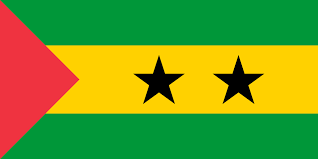
The IMF review will determine the next steps in its funding support, which helps stabilize the economy while pushing for reforms in fiscal management, governance, and economic diversification.
Despite its size, São Tomé plays an important symbolic role. The country relies heavily on cocoa exports, but climate change, limited infrastructure, and global market shifts have made its economy fragile. The IMF’s involvement highlights the delicate balance small states face: securing international financial support while safeguarding sovereignty.
This isn’t just about São Tomé. It’s a case study for many small African nations navigating similar pressures, high debt, vulnerability to external shocks, and dependence on global institutions. Their voice in global diplomacy may be quiet, but their experience underscores the urgency of fairer financial systems for developing economies.
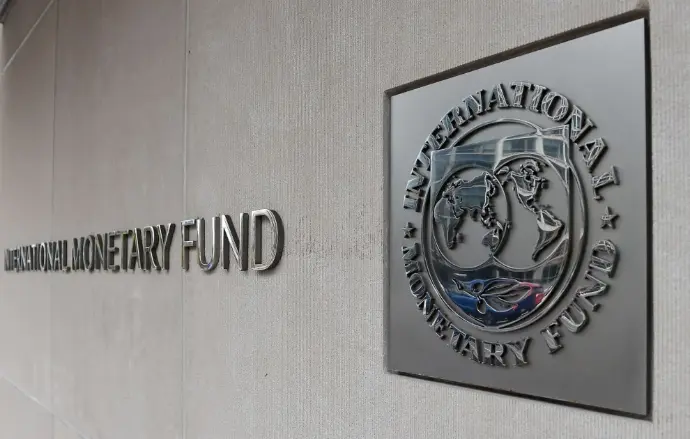
The São Tomé case raises a broader question: How can African states, especially smaller ones, shape their futures when financial lifelines depend on institutions like the IMF?
For diplomats and policymakers, the answer lies in leveraging regional blocs like the African Union and ECOWAS to negotiate better terms, diversify economies, and invest in resilience. Small nations may not carry military or trade weight, but they embody the frontline of economic vulnerability and climate risk – issues that define the future of diplomacy.