The headlines usually tell a two-sided story: the West is out, and Russia is in. But in the dust-swept plains of Mali, Burkina Faso, and Niger, a third player is quietly rewriting the rules of the game.
Türkiye’s rapid rise as the preferred security partner for the Alliance of Sahel States (AES). While the world watches Moscow and Washington, Ankara is busy delivering the tools that are actually changing the battlefield.
The "Drone diplomacy" strategy
If you want to understand Türkiye's influence, look at the sky. The Bayraktar TB2 and the more advanced Akinci drones have become the "crown jewels" of Sahelian defense.
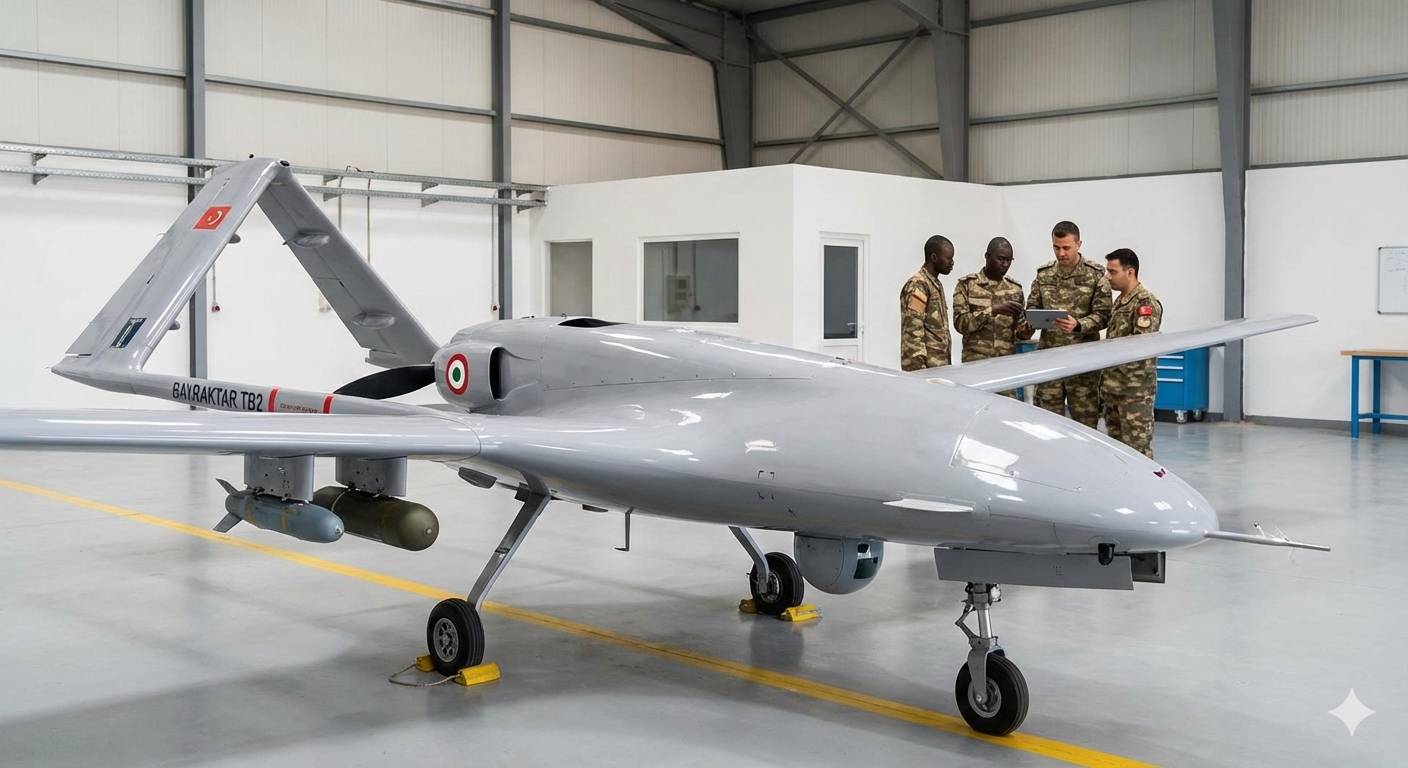
Unlike Western military aid, which often comes with months of bureaucratic red tape, Turkish drones are rapidly deployable, affordable, and combat-proven. The Turkish Toolkit in 2026:
Precision Strikes: Mali and Burkina Faso are using Turkish drones to hit insurgent targets in remote areas where ground troops can't reach.
Institutional Training: Türkiye isn't just dropping off equipment. They are training special forces, gendarmerie units, and intelligence officers in Niamey and Bamako.
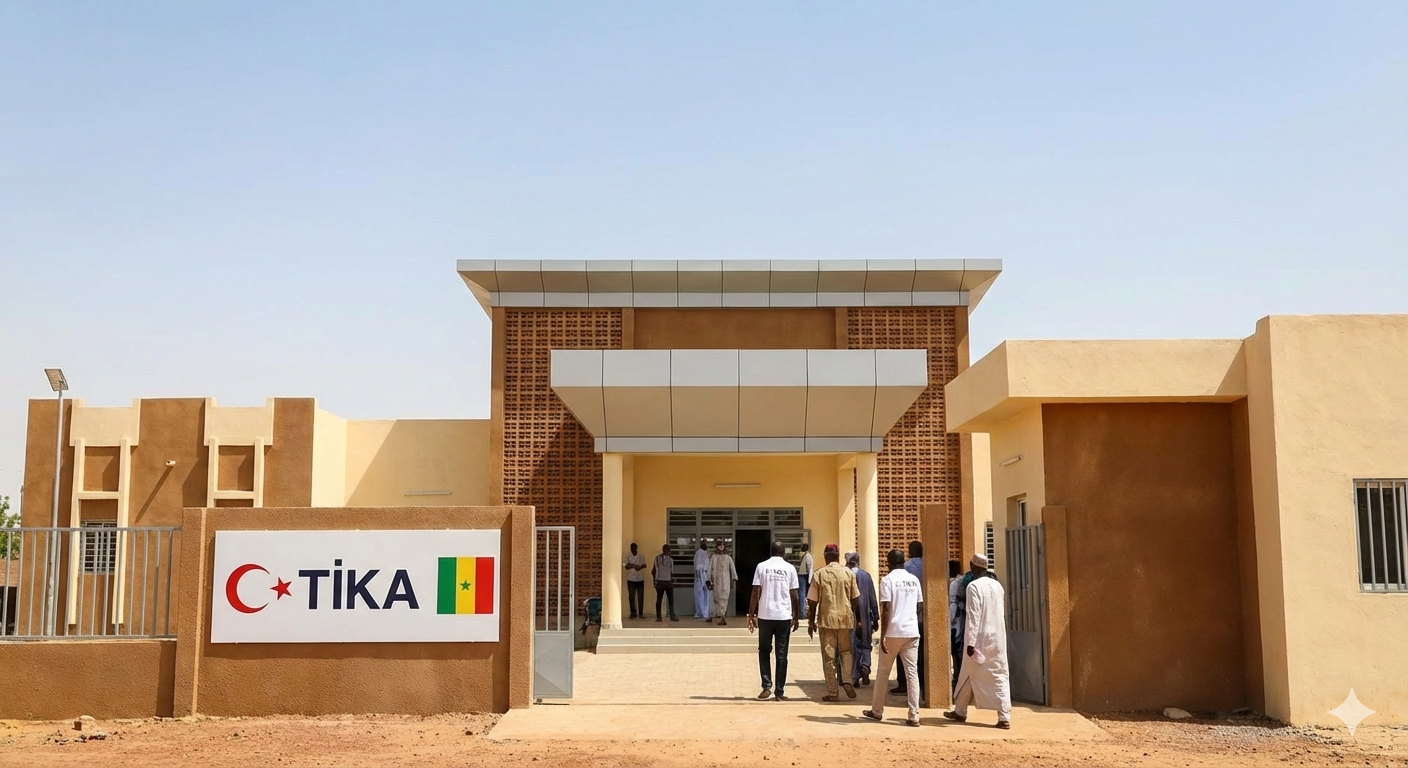
Maintenance Hubs: Ankara is building local infrastructure to ensure these drones keep flying, embedding Turkish tech into the very DNA of Sahelian militaries.
The "No lectures" policy
Why are junta leaders in the AES turning to President Erdoğan? It’s simple: Türkiye doesn't give "governance lectures."
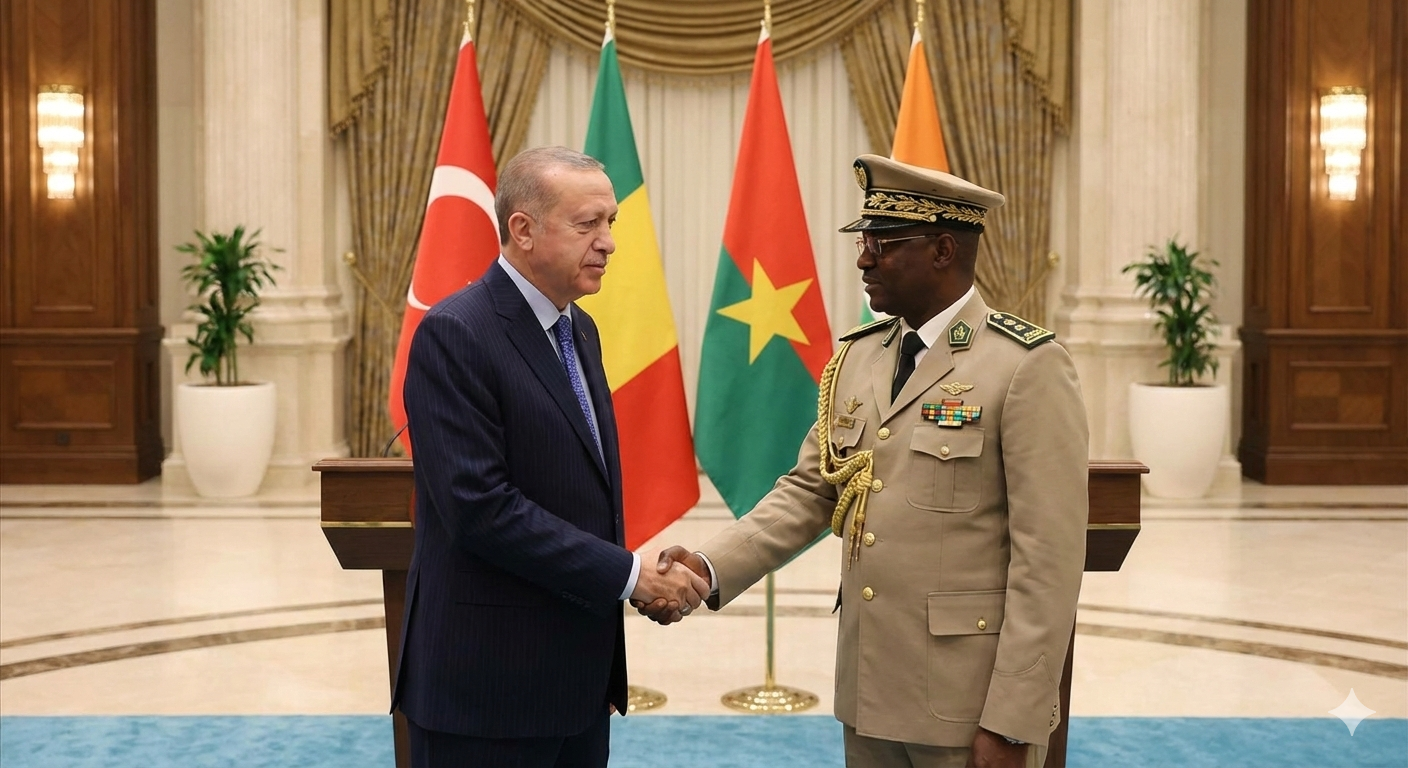
For decades, Western support was tied to democratic milestones and human rights preconditions. While these are vital values, the current leaders in the Sahel prioritize immediate security results. Türkiye offers a middle path. They provide state-to-state defense deals without the colonial baggage of France or the "mercenary" reputation often associated with Russia’s Africa Corps. Ankara positions itself as a "Muslim brother" and a fellow emerging power that respects sovereignty above all.
A parallel force to Russia
Interestingly, Türkiye isn't trying to kick Russia out. Instead, it operates as a parallel force. In places like Niger, reports suggest a "symbiotic" relationship where Turkish intelligence and drones provide the air cover that complements Russian ground presence.
By diversifying their partners, Mali, Burkina Faso, and Niger are practicing "strategic hedging." They don't want to swap one master (France) for another (Russia). Türkiye gives them the leverage to say "no" to both when necessary.