On February 10, 2026, the port city of Toamasina, Madagascar, became the epicenter of a climatic reckoning. Tropical Cyclone Gezani didn't just bring torrential rains; it brought a sobering statistic: 420,000 lives disrupted in a matter of hours. Yet, as the floodwaters rose, a shift in regional diplomacy became visible. For the first time, the response wasn't solely dependent on distant international aid; it was spearheaded by a SADC-deployed Emergency Response Team (ERT) utilizing advanced geospatial monitoring.
This moment of crisis in the Indian Ocean, occurring just as regional leaders gathered in Victoria Falls to discuss the future of clean energy, represents the new duality of African geopolitics. It is a world where disaster response and energy diplomacy are no longer separate portfolios but two sides of the same coin of sovereignty. For the diplomats and policy makers reading Herlee Media Hub, the message is clear: SADC is evolving from a political talk-shop into a functional, technical, and logistical powerhouse.
The Madagascar crisis
The deployment of the SADC ERT to Madagascar marks a significant maturation of the region's security and humanitarian architecture. Historically, regional responses were hampered by bureaucratic delays; in 2026, the "geospatial monitoring" component of the mission allowed for real-time resource allocation.
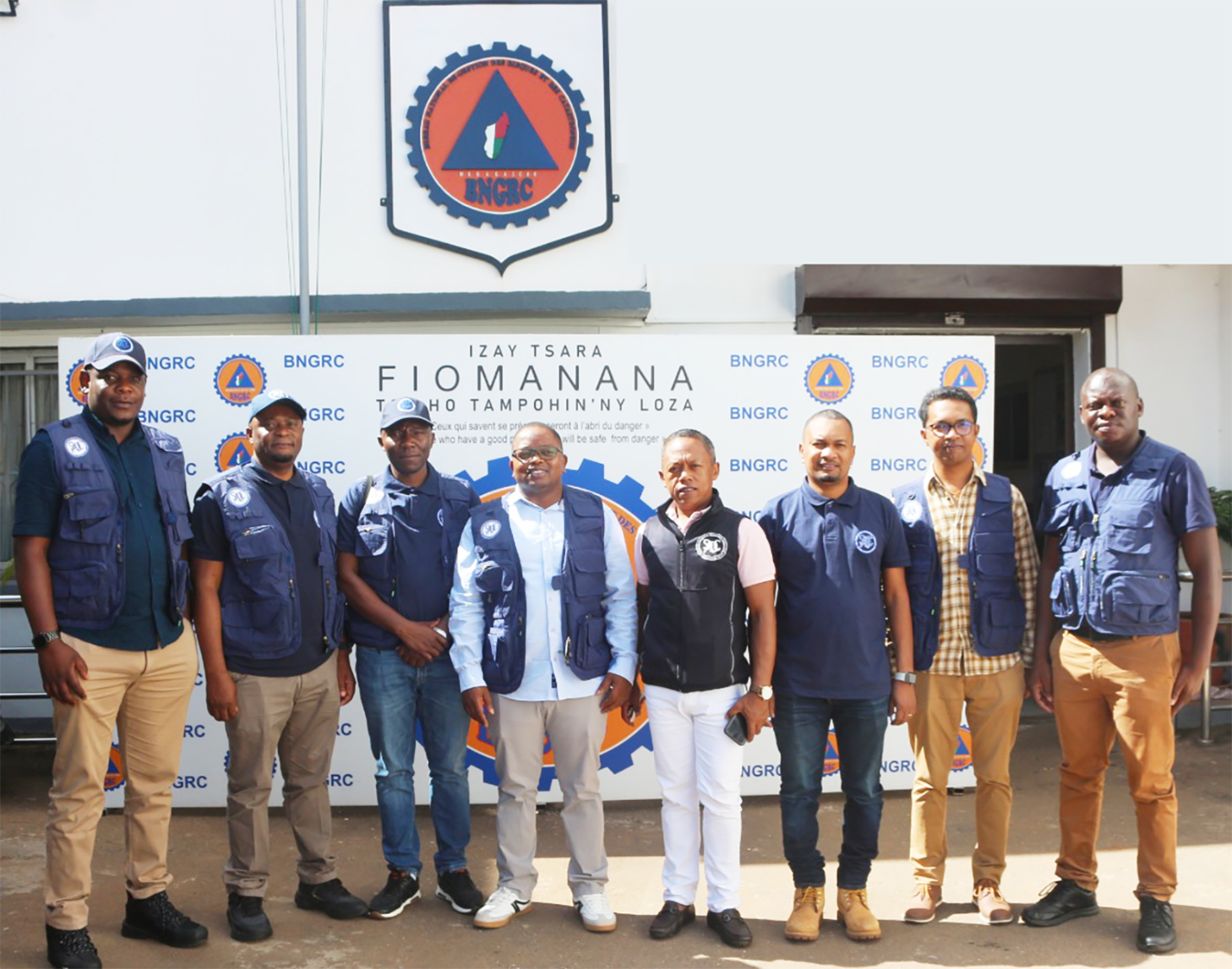
Integrated Disaster Management: The ERT’s focus on Toamasina proved that regional bodies can provide high-tech search and rescue support that rivals international NGOs.
The Burden of 420,000: The sheer scale of the Gezani impact underscores the necessity of the SADC Regional Humanitarian and Emergency Operations Centre (SHUMEC).
Diplomatic Nuance: By leading the response, SADC is asserting that African problems require African-led technical solutions, reducing the reliance on external actors who may not understand local topographical or political sensitivities.
Energy diplomacy
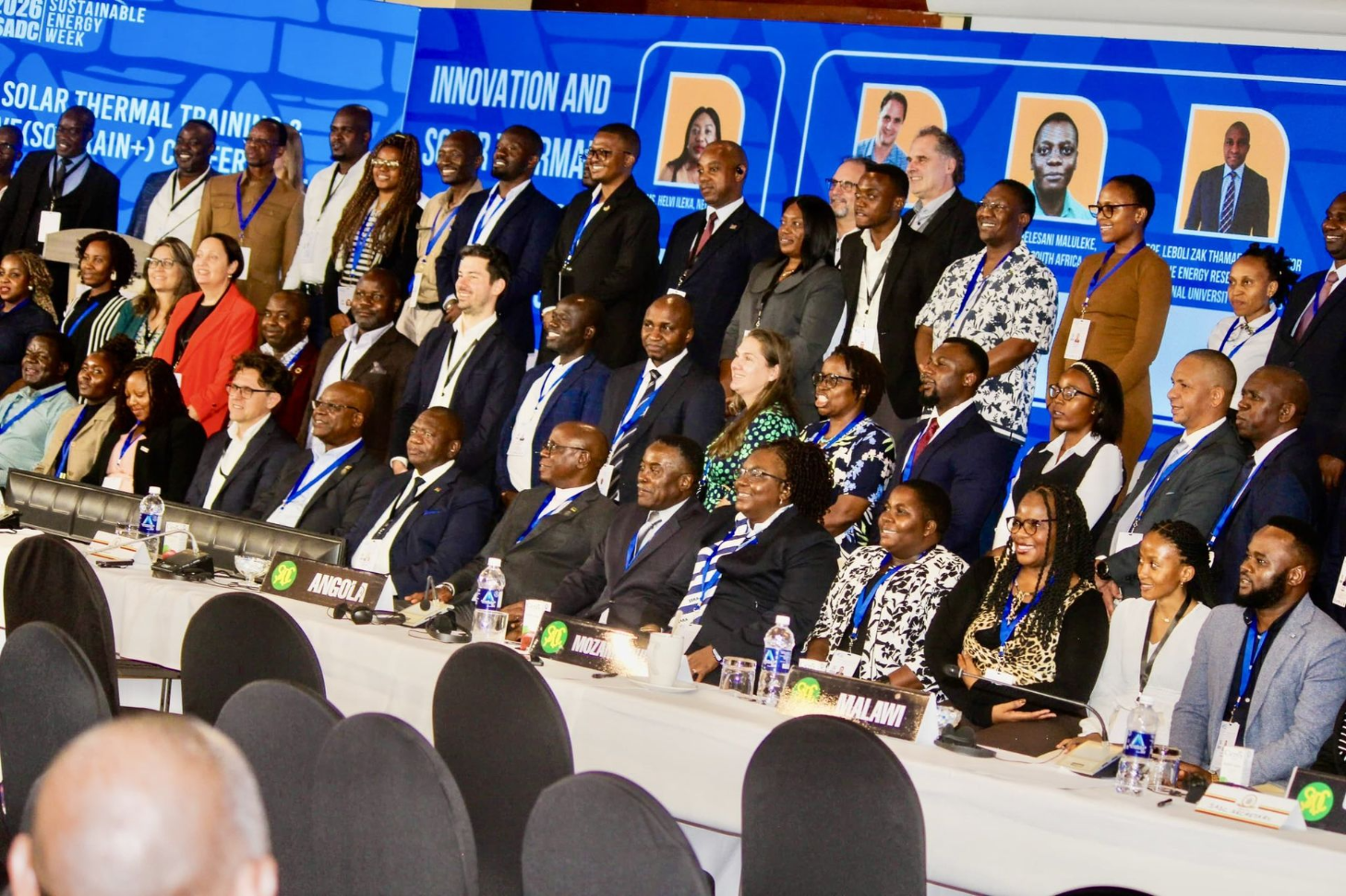
While the ERT worked the mud in Toamasina, the SADC Sustainable Energy Week (February 23) in Victoria Falls offered a vision of a future where such disasters are mitigated by a more resilient energy grid. The focus on "Driving Regional Economic Growth through Clean Energy" is a strategic pivot toward energy sovereignty.
Cross-Border Synergy: The week highlighted the need for harmonized investment codes to facilitate private sector entry into the Southern African Power Pool (SAPP).
Strategic Autonomy: Leaders are moving away from seeing "Green Energy" as a Western imposition. Instead, it is being framed as the only viable way to power regional industrialisation without falling into the debt-traps of fossil fuel dependency.
The Nexus: Reliable, clean energy is the backbone of disaster resilience—powering the water pumps, hospital grids, and communication lines that failed during Gezani.
South Africa and the governance challenge
The successes and tragedies of February set a high-stakes stage for the SADC Council of Ministers in March 2026. Hosted by South Africa as Interim Chair, this meeting will be the "bridge" between February’s field operations and long-term policy.
Industrialisation Review: The Council is expected to audit the progress of regional value chains. Are we building the solar panels we discussed at Victoria Falls? Are we manufacturing the drones used for search and rescue in Madagascar?
Agricultural Transformation: With climate volatility threatening food security across the bloc, the Council must integrate disaster data into regional farming subsidies.
The Governance Test: South Africa’s leadership will be judged on its ability to turn the "ERT model" into a permanent, well-funded regional fixture.
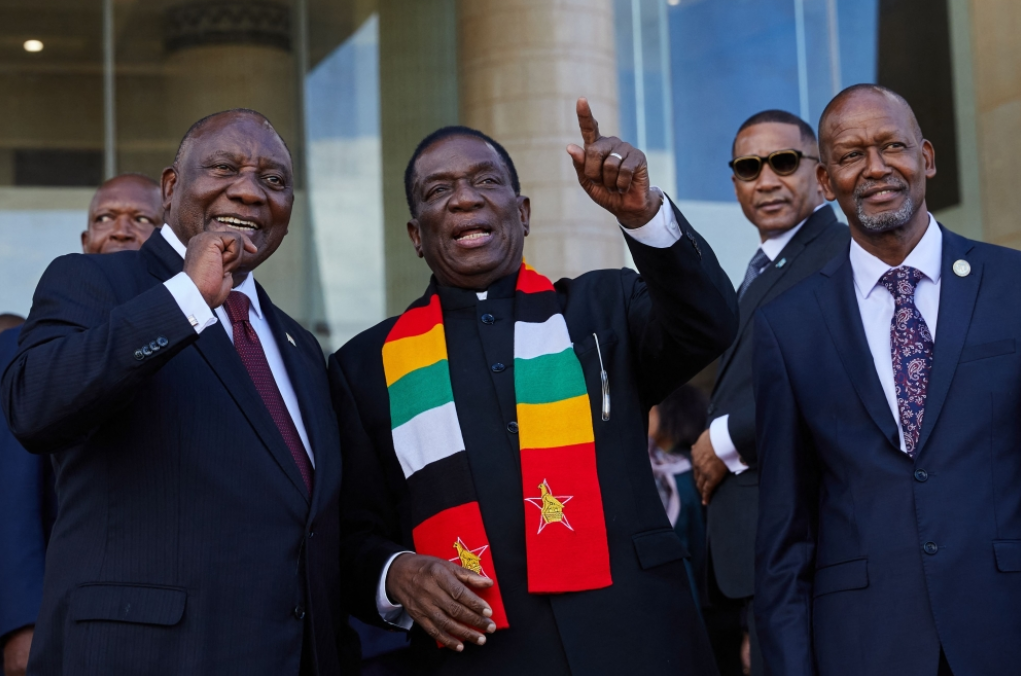
South African President Cyril Ramaphosa, Zimbabwean President Emmerson Mnangagwa, Botswanan President Duma Boko and SADC Executive Secretary Elias Magosi gather before their meeting on the conflict in Democratic Republic of Congo, in Mount Hampden, Zimbabwe, on Jan. 31, 2025.
A manifesto for a resilient SADC
To ensure the lessons of February 2026 are institutionalized, SADC must adopt three radical shifts:
Mandatory Geospatial Integration: Every member state must align its national disaster agency with the regional SADC data hub to ensure "zero-delay" response.
The "Green Sovereign" Fund: Establishing a regional investment vehicle specifically for cross-border clean energy projects, reducing the friction of national borders.
Resilience-First Infrastructure: All infrastructure projects reviewed in the March Council of Ministers must meet "Gezani-proof" standards.
The 39th AU Summit provided the vision, but the wind and rain of Madagascar provided the urgency. SADC has shown it can respond; now it must show it can lead.