In the heart of Africa, the Democratic Republic of Congo (DRC) is once again stepping onto the global stage, this time with a renewed pitch to the United States. On 15 September, President Félix Tshisekedi’s government announced its first DRC-US Economic Forum, aimed at attracting American investment into critical sectors such as mining, energy, infrastructure, and agriculture (Africa Intelligence).
At first glance, this may look like another routine investment summit. But scratch beneath the surface, and it is clear that mineral diplomacy is at the core of Kinshasa’s outreach, and the implications could ripple across Africa’s geopolitical map.
The DRC is home to some of the world’s richest deposits of cobalt, copper, and lithium, minerals essential for batteries, electric vehicles, and the global energy transition. For over a decade, China has dominated this space, controlling significant stakes in Congolese mines and securing supply chains that fuel its manufacturing industries.
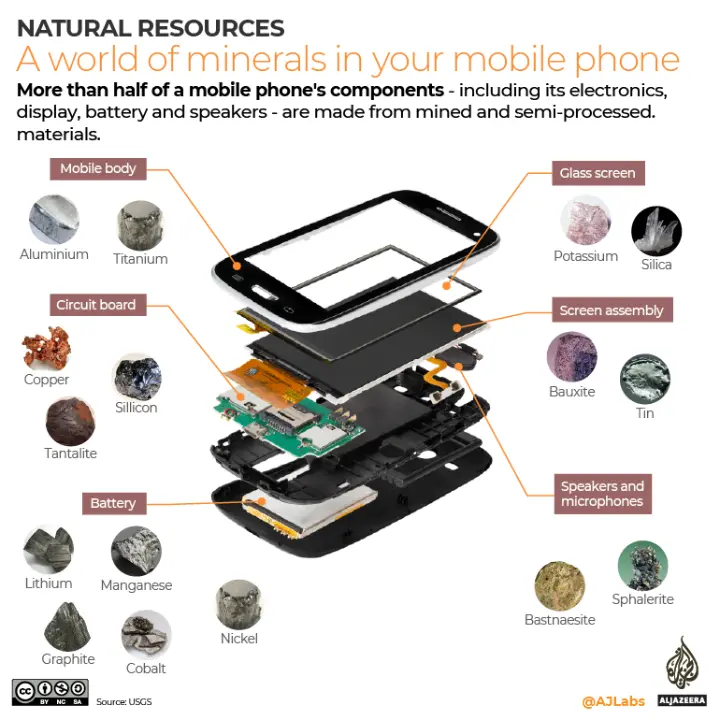
Now, the US is seeking to break this monopoly. Washington views strategic minerals not just as economic resources, but as geopolitical assets and building ties with Kinshasa is part of its wider strategy to counterbalance Beijing’s influence in Africa.
For the DRC, the stakes are high. On one hand, diversifying partners could reduce dependency on China and open doors to new financing, technology, and markets. On the other hand, relying too heavily on either Washington or Beijing risks compromising sovereignty. Will Congo be a player or just a playing field? That remains the central question.
Beyond geopolitics, the people of the DRC are watching closely. Will new US investments translate into jobs, schools, hospitals, and safer working conditions? Or will the minerals once again flow out while communities remain poor? Critics warn that unless strong governance reforms are enforced, mineral wealth could continue to enrich elites and foreign companies at the expense of ordinary Congolese citizens.
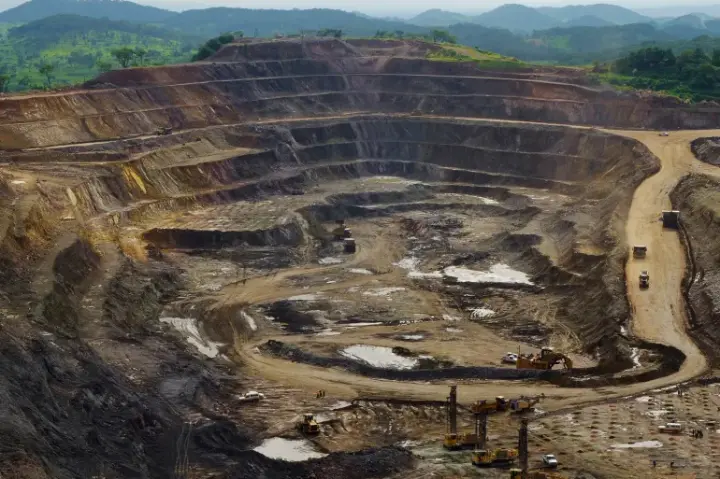
Mining in the DRC comes with enormous environmental costs, deforestation, water pollution, and unsafe labor conditions, including child labor. For Tshisekedi’s outreach to succeed, international partners must commit not only to profit but also to responsible investment standards. Transparent contracts, fair taxation, and sustainable practices are key if mineral diplomacy is to bring meaningful change.
As the DRC courts Washington, its neighbors will also be watching. A stronger US presence could shift alliances in Central Africa, challenge China’s dominance, and reshape the balance of power in Africa’s resource diplomacy. The outcome will reveal whether this is a new dawn for African agency or just another chapter of great-power competition on African soil.