For the millions of small-scale traders crossing the borders between Kenya, Tanzania, and Zambia, "regional integration" has long been a lofty term discussed in the carpeted halls of Addis Ababa, yet rarely felt at the customs post. However, in February 2026, the narrative shifted. In a series of high-stakes maneuvers across Nairobi and Johannesburg, the Southern African Development Community (SADC), in concert with regional partners, began dismantling the invisible barriers that have stifled African prosperity for decades.
This is not just trade; it is the deliberate construction of economic sovereignty. By focusing on the "missing middle", the SMEs and securing massive domestic financing channels, the region is finally aligning its industrial ambitions with its diplomatic rhetoric.
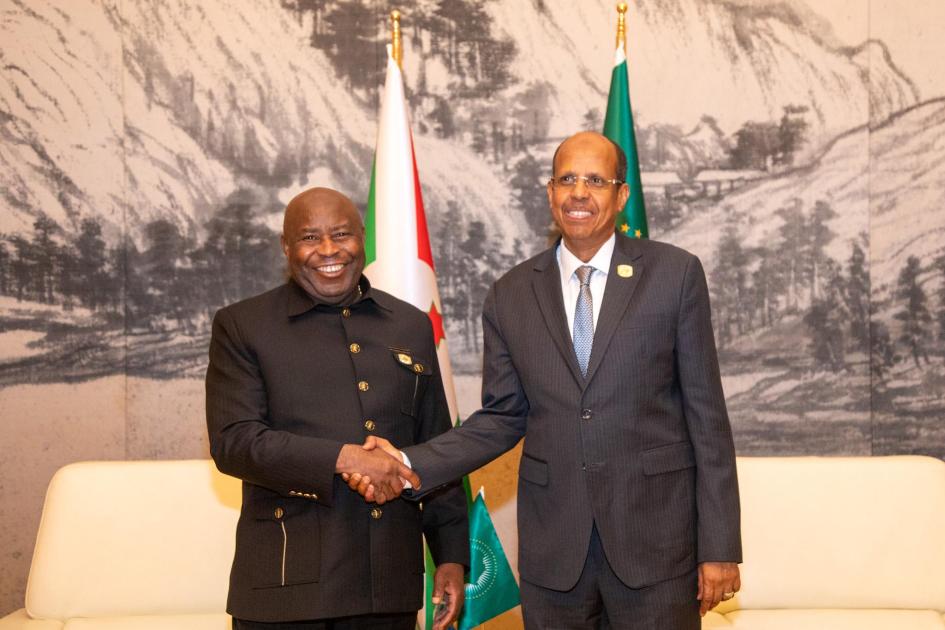
The Chairperson of the AU Commission, HE Mahmoud Ali with HE Évariste Ndayishimiye, President of the Republic of Burundi
The Tripartite
The policy forum held in Nairobi (February 18–19) may well be remembered as the moment the Tripartite Simplified Trade Regime (TSTR) transitioned from a proposal to a powerhouse. For the first time, SADC, COMESA, and the EAC have found a synchronized rhythm in simplifying the movement of goods.
Simplification for the Small Scale: The TSTR is designed to reduce the prohibitive costs of certificates of origin and complex customs declarations for small traders.
Cost Reduction: By standardizing documentation across three major blocs, the regime targets a 20% reduction in transit times at key border crossings like Busia and Namanga.
The Multiplier Effect: This harmonization is a direct precursor to the full-scale realization of the AfCFTA, proving that regional clusters are the essential building blocks of continental unity.
SMEs as the backbone of industrialisation
During a high-level dialogue in Johannesburg (February 2–3), SADC officially launched its SME Development and Competitiveness Strategy (2025–2029). This was a sophisticated admission by regional leaders: without a competitive private sector, industrialization remains a mirage.
The strategy moves beyond financial aid, focusing instead on strategic autonomy within value chains. By integrating small businesses into regional manufacturing hubs, be it automotive parts in South Africa or agro-processing in Zimbabwe, the bloc is ensuring that "Value Added in Africa" becomes the new standard.
"SMEs are not just participants in our economy; they are the very backbone of our regional industrialisation. To ignore them is to ignore the engine of our growth." — SADC High-Level Dialogue Consensus.
Financial sovereignty: The $8 Billion milestone
Perhaps the most significant blow to the status quo was South Africa’s official accession to the Afreximbank Establishment Agreement. This move unlocked a staggering $8 billion Country Programme, a financial lever that provides the liquidity necessary to back regional infrastructure and export relationships.
This milestone is critical for two reasons:
De-risking Trade: It provides local exporters with the insurance and credit needed to compete on a global scale.
Reducing External Dependence: By utilizing African-led financial institutions like Afreximbank, the region is reclaiming control over its development narrative, moving away from the restrictive conditions of traditional Western lending.
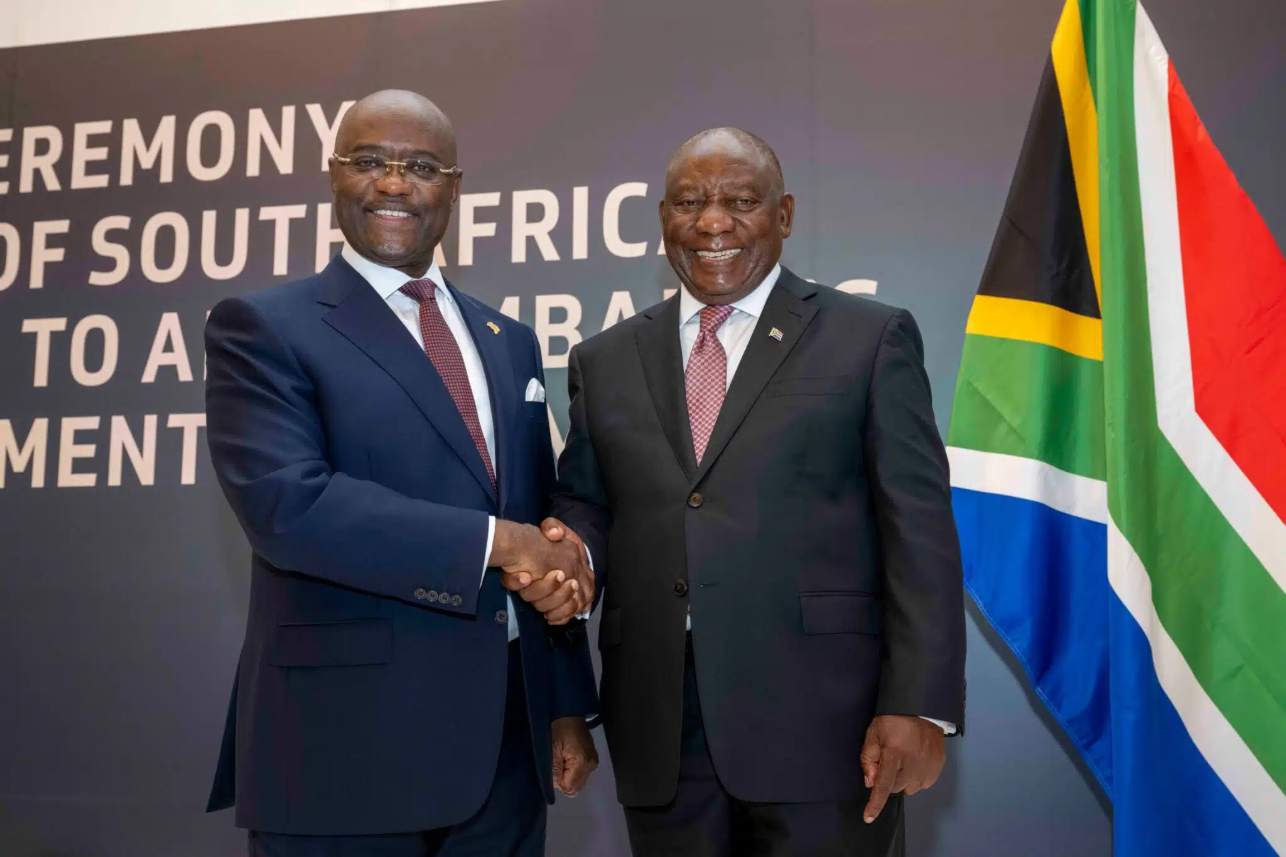
H.E. Cyril Ramaphosa, President of South Africa and Dr. George Elombi, President and Chairman of Afreximbank at the Country’s accession signing ceremony, marking the launch of a major Country Programme engineered to bolster the South African economy.
A call for radical implementation
The successes of February 2026 provide a rare window of opportunity. To ensure this momentum does not stall, SADC and its partners must prioritize the following:
Digital Integration: Immediate investment in digital customs platforms to ensure the TSTR is paperless and transparent.
Infrastructure Synergy: Aligning the Afreximbank funds with the SADC Regional Infrastructure Development Master Plan to ensure goods have the roads and rails they need to move.
Policy Consistency: Member states must resist the urge for protectionist "quick fixes" during economic dips, sticking instead to the long-term vision of the Tripartite agreement.
The 39th AU Summit set the stage, but it is in the markets of Nairobi and the boardrooms of Johannesburg that the "Africa We Want" is being built.