Taiwan has just made a bold diplomatic move that could shake Africa’s tech landscape. On 23rd September 2025, Taiwan announced restrictions on exporting semiconductor chips to South Africa, citing national security concerns.
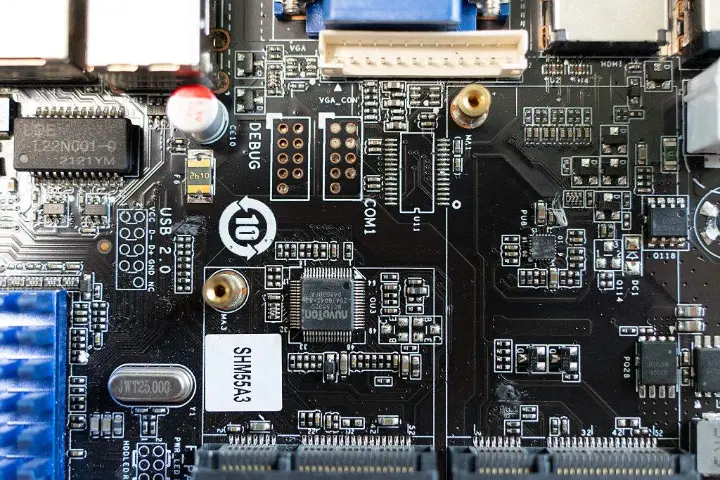
This may sound like just another policy decision, but it has huge implications. Why? Because chips are the brains of modern technology from smartphones and cars to artificial intelligence systems. Without them, industries slow down, innovation stalls, and economies feel the heat.
Taiwan isn’t just another player in tech, it’s the world’s leading semiconductor powerhouse, producing over 60% of the globe’s advanced chips. By placing South Africa under export restrictions, Taiwan is signaling that its chip dominance can be used not just for business, but also as a diplomatic weapon.
For South Africa, this could disrupt industries that rely heavily on technology, such as:
- Telecommunications
- Manufacturing & automotive
- Digital services and AI development
If chips become harder to access, South Africa’s ambitions to grow as a digital hub could slow down.
This move highlights a bigger issue for the continent: dependency on external tech suppliers. Africa is a fast-growing digital market, but it still relies heavily on global supply chains controlled by Asia, Europe, and the U.S.
Taiwan’s ban raises tough questions:
- How can African nations secure their own tech independence?
- Should Africa invest more in local chip research and manufacturing?
- Will global power struggles force Africa to pick sides in tech wars?
South Africa may look to China, the U.S., or Europe for alternatives. But in a world where chips are scarce and highly politicized, options may be limited.
At the same time, this is also an opportunity. African governments and private sector players could start building regional partnerships to invest in homegrown semiconductor production. It won’t be easy, but the chip ban is a wake-up call: Africa needs to prepare for a digital future that doesn’t depend solely on others.