For decades, global diplomacy framed Africa as a junior partner: receiving aid, instructions, or investment largely from the West or China. But a quiet shift is underway. Trade among countries of the Global South now makes up more than a third of Africa’s total trade, and diplomatic footprints are expanding in unexpected directions. September 2025 offers a glimpse into this transformation, showing how Africa is building fresh alliances with Colombia, Russia, and Qatar proof that South–South cooperation is no longer an aspiration but a reality.
Nigeria and Colombia: A new chapter in Afro–Latin diplomacy
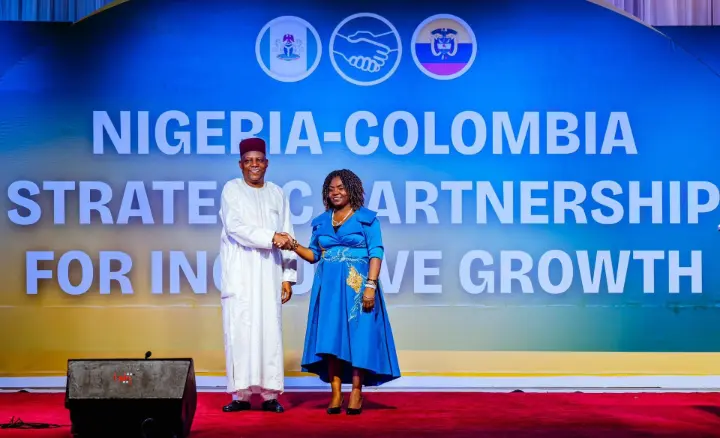
Colombia’s Vice President Francia Márquez arrived in Abuja to what Nigerian Vice President Kashim Shettima called a “historic” visit. Beyond the photo opportunities, the two nations committed to deepening political dialogue, trade, and cultural exchange. For Nigeria, the partnership opens doors to Latin American markets and lessons in post-conflict resilience. For Colombia, Africa represents a dynamic new frontier for diplomacy and cooperation.
Russia and South Africa: Expanding a strategic partnership
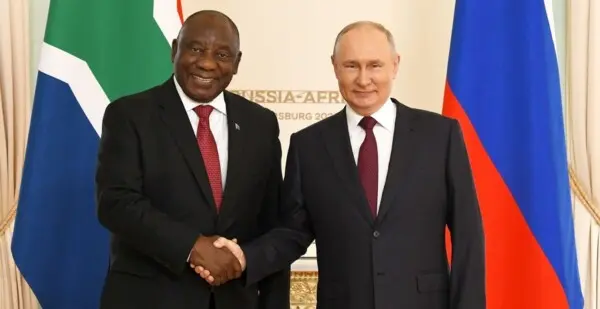
In Pretoria, South Africa and Russia reaffirmed their comprehensive strategic partnership, extending beyond BRICS. From energy to education, both countries are signaling that their ties go beyond symbolism. While some Western capitals may question the move, South Africa views it as pragmatic diplomacy diversifying alliances to safeguard its autonomy. This is South–South cooperation in action: partnerships rooted in mutual interest rather than dependency.
Energy diplomacy: Qatar’s expanding footprint
QatarEnergy’s growing investments in South Africa, Namibia, and Algeria highlight how energy is reshaping diplomacy. These ventures go beyond hydrocarbons, they bring technology, capital, and market access, while reinforcing Africa’s role in the global energy transition. For Qatar, it’s a chance to cement influence across the continent. For African states, it’s leverage on access to partners who can fuel development without old conditionalities.
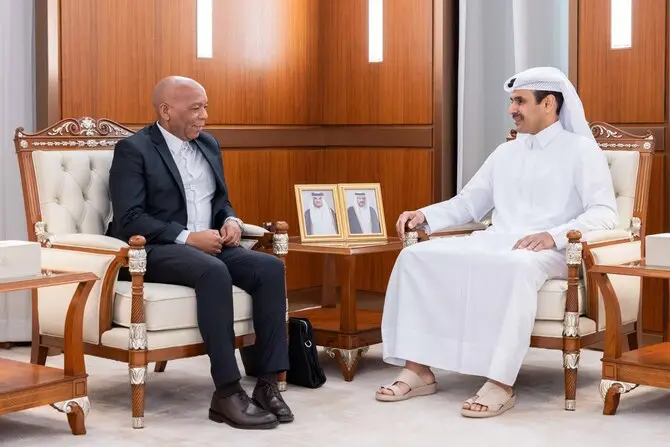
Qatar's Minister of State for Energy Affairs and CEO of QatarEnergy, Saad Sherida Al-Kaabi, meets with South Africa's Minister of Electricity and Energy, Kgosientsho David Ramokgopa.
Why it matters
Taken together, these developments underscore a turning point. Africa is no longer just the subject of global power plays, it is a shaper of new alliances. South–South cooperation is not flawless, differences in capacity and politics will test its depth, but the symbolism and practical impact are undeniable.
As September 2025 shows, the future of diplomacy won’t be written solely in Washington, Brussels, or Beijing. Increasingly, it will be negotiated in Abuja, Bogotá, Pretoria, and Doha where new bridges of solidarity and strategy are being built across the Global South. The question now is: will Africa harness these partnerships to secure the influence it has long deserved on the world stage?