South Africa is redrawing its diplomatic map. President Cyril Ramaphosa’s ongoing state visit to Vietnam (October 23–24, 2025) marks a significant step toward reshaping Pretoria’s international partnerships. The visit aims to elevate bilateral relations to a “strategic partnership” and open new frontiers in trade, technology, and green energy.
Before arriving in Vietnam, President Ramaphosa sealed a trade-and-growth pact with Indonesia, focusing on cooperation in mining, agriculture, renewable energy, and digital skills. The two nations agreed to work closely in boosting trade volumes and creating long-term economic opportunities.
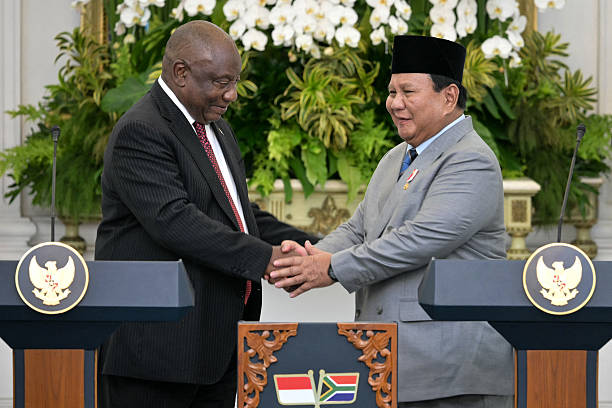
These visits signal a strategic pivot away from traditional Western partners toward the dynamic economies of Southeast Asia, a region now at the center of global economic growth.
This shift is more than symbolic, it’s geopolitical and economic recalibration. South Africa, Africa’s most industrialized economy, is exploring “South-South diplomacy” to secure new markets, attract green investment, and position itself within the Asia-Pacific growth corridor.
By expanding relations with Vietnam and Indonesia, Pretoria is also signalling a move toward economic independence, seeking partners that share similar development aspirations. This realignment comes at a time when global power dynamics are shifting, and emerging economies are increasingly cooperating beyond traditional Western frameworks.
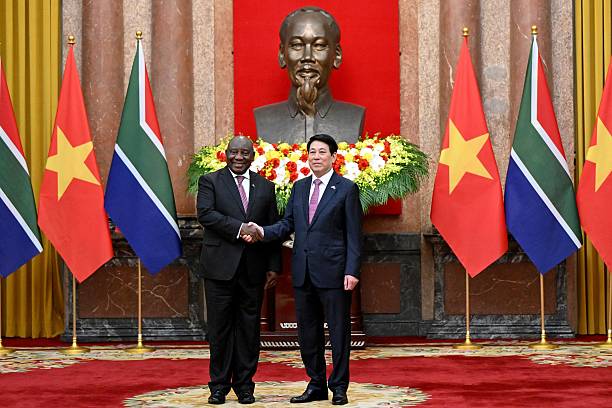
For African diplomats, this is a case study in smart diversification how to balance legacy alliances while embracing fresh opportunities in regions driving global innovation and trade.
South Africa’s outreach to Southeast Asia represents a new era of African diplomacy one that prioritizes innovation, investment, and skills exchange over aid-based relations.
As the world becomes more multipolar, nations like South Africa are positioning themselves as bridge-builders between continents linking Africa’s potential with Asia’s momentum.