South Africa is entering a critical phase in its global trade diplomacy. This week, President Cyril Ramaphosa confirmed that Pretoria has dispatched senior officials to Washington, D.C., to prepare for negotiations with the United States. The urgent mission comes in response to a recently imposed 30% tariff on South African exports, a move that threatens to squeeze key industries and weaken the country’s export competitiveness.
For South Africa, trade is more than numbers on a spreadsheet, it’s about jobs, livelihoods, and economic stability. Mining, manufacturing, and value-added industries all rely heavily on international buyers. A tariff of this size risks shrinking export revenues while raising the costs of doing business back home.
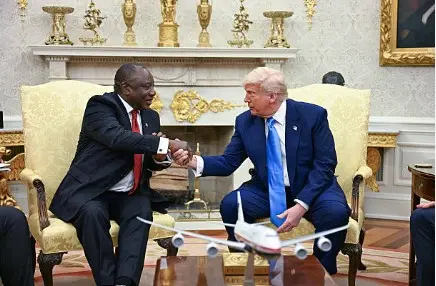
U.S. President Donald Trump and South African President Cyril Ramaphosa at the White House in Washington, D.C. on May 21, 2025. Kevin Lamarque/REUTERS
As Ramaphosa’s delegation lands in Washington, their goal is clear: push for fairer trade terms while safeguarding South Africa’s strategic industries.
South Africa is one of the world’s richest sources of critical minerals, including platinum, manganese, and rare earth elements, materials vital to green technologies, electric vehicles, and electronics. The U.S., much like China and the EU, is racing to secure reliable access to these resources.
This gives Pretoria valuable leverage. But it also presents a dilemma: should South Africa continue shipping out raw minerals, or double down on building industries that add value locally? The government is signalling the latter, hoping to ensure that the country isn’t locked into its old role as a supplier of raw materials.
“South Africa cannot afford to be just a quarry for global powers. These talks must protect both our minerals and our manufacturing future,” noted one trade analyst in Johannesburg.
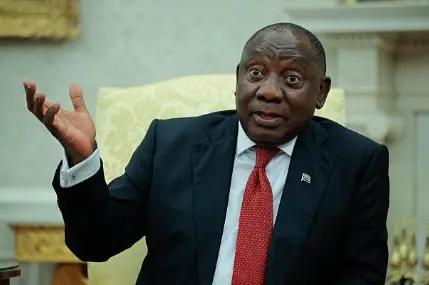
South African President Cyril Ramaphosa at the White House in Washington, D.C. on May 21, 2025. Kevin Lamarque/REUTERS
The negotiations also highlight South Africa’s balancing act in foreign policy. Pretoria needs strong ties with Washington, its long-standing trade partner, but it is also deepening cooperation with BRICS allies like China, India, and Russia. How it handles these talks could set the tone for future trade strategies, especially in a world where great-power rivalries are reshaping global commerce.
While the diplomatic language may sound distant, the effects will be real. Tariffs could mean fewer shifts in factories, tighter margins for miners, and higher costs trickling down to consumers. In short, Pretoria’s negotiators aren’t just fighting over tariffs—they are fighting for ordinary South Africans.
The coming weeks will test whether South Africa can turn a trade challenge into a strategic win. If successful, Pretoria could reaffirm its role as a smart, pragmatic player in global trade diplomacy. If not, the 30% tariff may serve as a reminder of how vulnerable mid-sized economies are in today’s fractured global order.
Sources
- Reuters – South Africa has sent officials to US for trade talks, president says
- MyJoyOnline – South Africa sends officials to US for trade talks