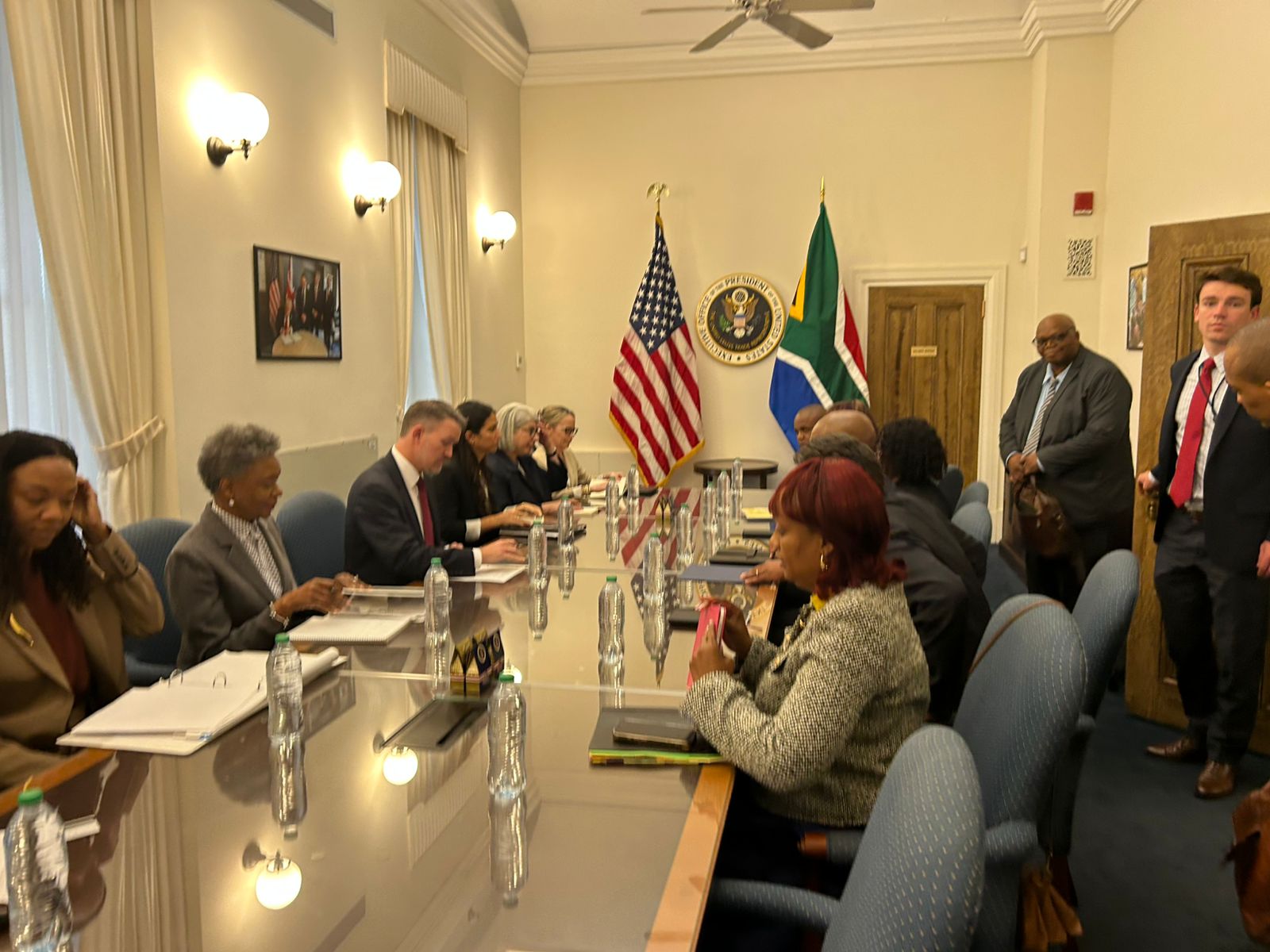
South Africa and the United States are once again sitting at the same table to iron out their trade differences. Last week, South Africa’s Trade Minister, Parks Tau, met with the U.S. Trade Representative in Washington to address a pressing issue: punitive tariffs on South African goods.
The talks ended on a positive note, with both sides agreeing to develop a roadmap for future engagement. While this may sound like diplomatic jargon, it signals an important shift. It means dialogue is back on track, and there is room for solutions.
For South Africa, tariffs are not just a policy headache they affect real people. From fruit farmers in Limpopo to steel manufacturers in Gauteng, higher tariffs mean higher costs and fewer exports. That trickles down to job losses and reduced income for households already struggling with high living costs.
South Africa relies on the U.S. as one of its top trading partners. If goods like citrus, wine, or metals become less competitive in the American market, the ripple effects could weaken entire industries.
At the same time, South Africa is under pressure to balance its trade diplomacy. Domestically, businesses and workers want quick solutions that protect jobs. Globally, the government must keep ties strong not only with Washington but also with other powers such as China and the European Union.
This balancing act is no small task. A misstep could cost South Africa access to critical markets or reduce investor confidence in its economy. That’s why the roadmap agreed upon in Washington is seen as a lifeline an opportunity to rebuild trust while protecting national interests.
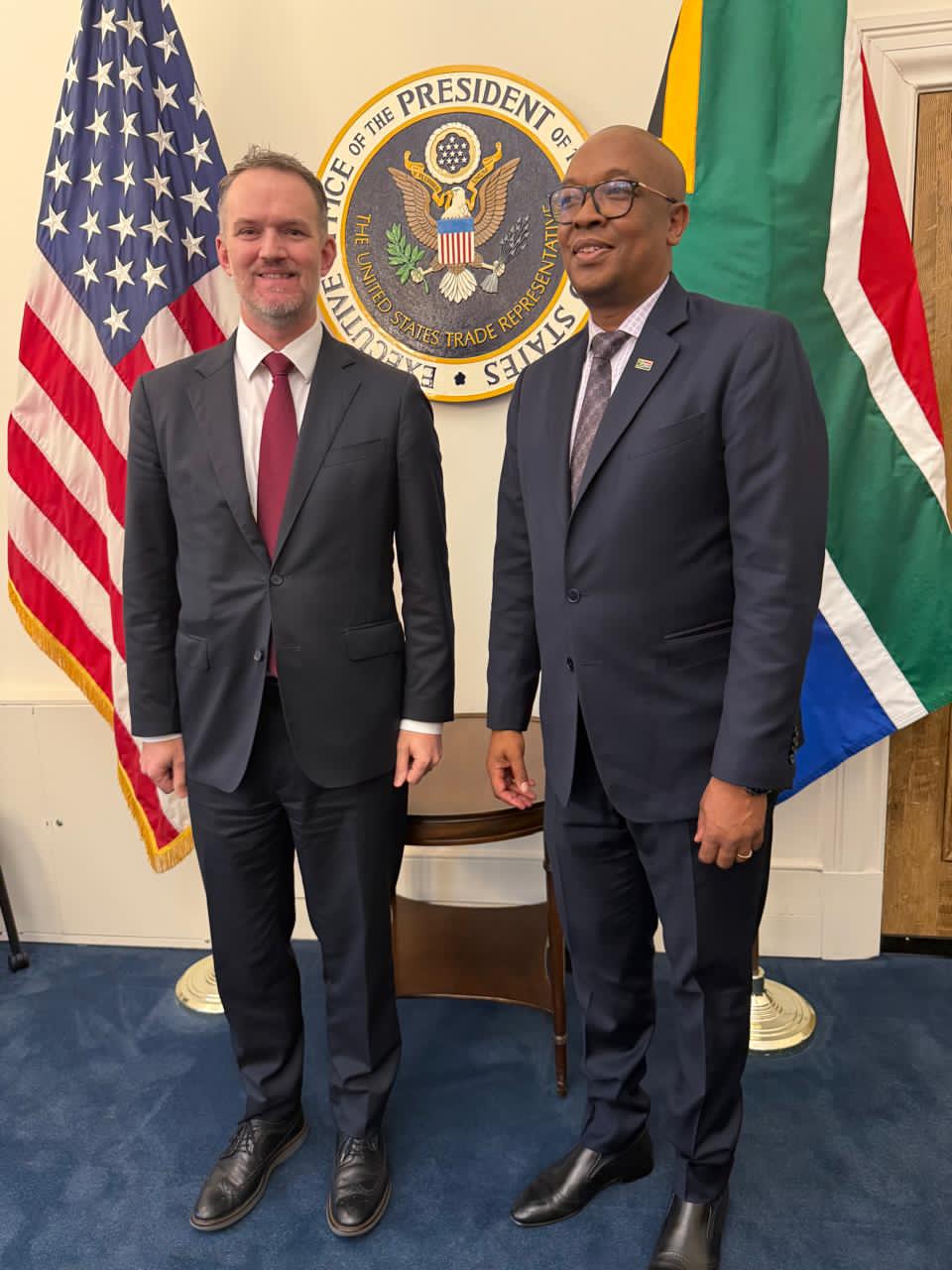
South Africa’s Trade Minister, Parks Tau with the U.S. Trade Representative in Washington
The South Africa-U.S. talks also raise broader questions about U.S.-Africa trade relations. For years, Washington has positioned itself as a key partner for African economies, largely through initiatives like the African Growth and Opportunity Act (AGOA). But as global trade trends shift towards protectionism, African countries are watching closely.
If South Africa manages to secure a fairer deal, it could set a precedent for how other African nations negotiate with Washington. It could also open the door for more equal trade partnerships rather than one-sided arrangements.
The roadmap is still only a promise, not a solution. What comes next will depend on how both governments turn words into action. For South Africans, the stakes are clear: protecting industries, saving jobs, and keeping trade doors open. For the U.S., it’s about showing that it values African partners in more than just words.
As talks continue, one thing is certain the outcome will be closely watched across Africa.