As the dust settles on the 39th African Union (AU) Summit in Addis Ababa, a singular, staggering figure looms over the continent’s diplomatic corridors: 420,000. That is the number of lives upended by Tropical Cyclone Gezani in Madagascar this February, a sobering reminder that while diplomats deliberate, the "triple threat" of climate change, financial instability, and resource scarcity is already at the door.
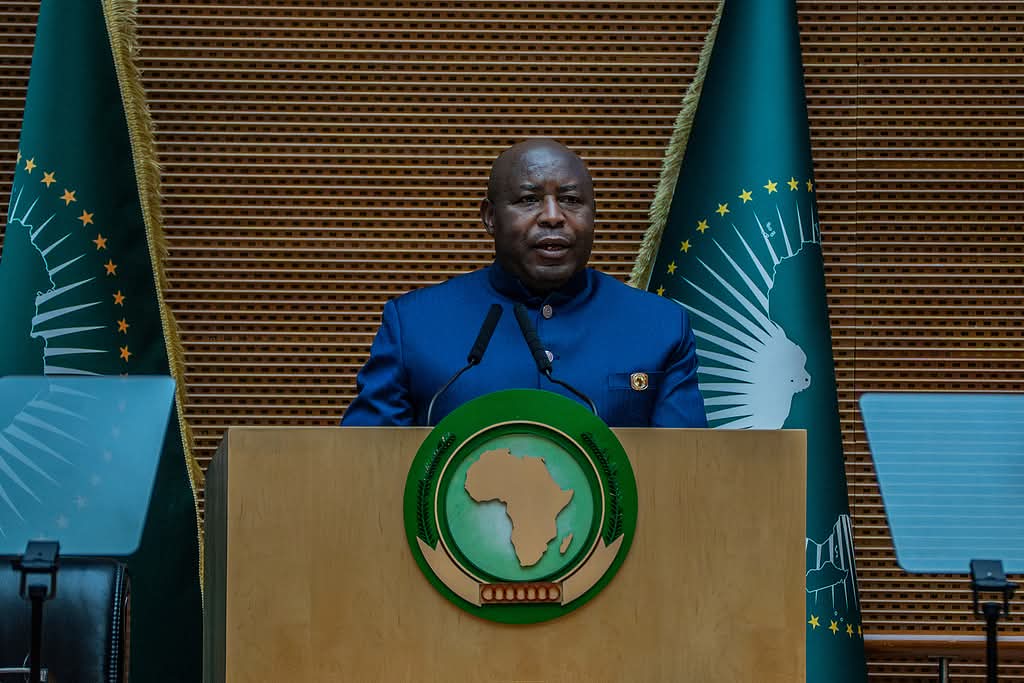
The 2026 Summit was not merely a change of guard, witnessing the transition of leadership from Angola’s João Lourenço to President Évariste Ndayishimiye, it was a pivot toward pragmatic multilateralism. At the heart of this transition stands the Southern African Development Community (SADC). Under Executive Secretary H.E. Mr. Elias Magosi, SADC has emerged as the "first responder" to the AU’s new mandates.
Africa water vision 2063: SADC’s blueprint for resource security
The AU’s adoption of "Ensuring sustainable water availability and safe sanitation systems" as the theme for 2026 recognizes that water is now a matter of strategic autonomy.
SADC’s alignment with the Africa Water Vision 2063 is already yielding results. For the SADC region, where shared river basins necessitate high-level hydro-politics, this focus provides a framework for "water-peace" initiatives.
Strategic Goal: Transform water from a source of friction into a shared asset for regional industrialization.
SADC Mandate: Aligning regional water governance with the AU’s 2026 thematic focus to ensure climate-resilient sanitation.
Financial sovereignty: institutionalizing the New African Financial Architecture (NAFA)
For decades, Africa’s infrastructure has been shackled to external debt. The 39th Summit presented a bold rebuttal: the New African Financial Architecture (NAFA).
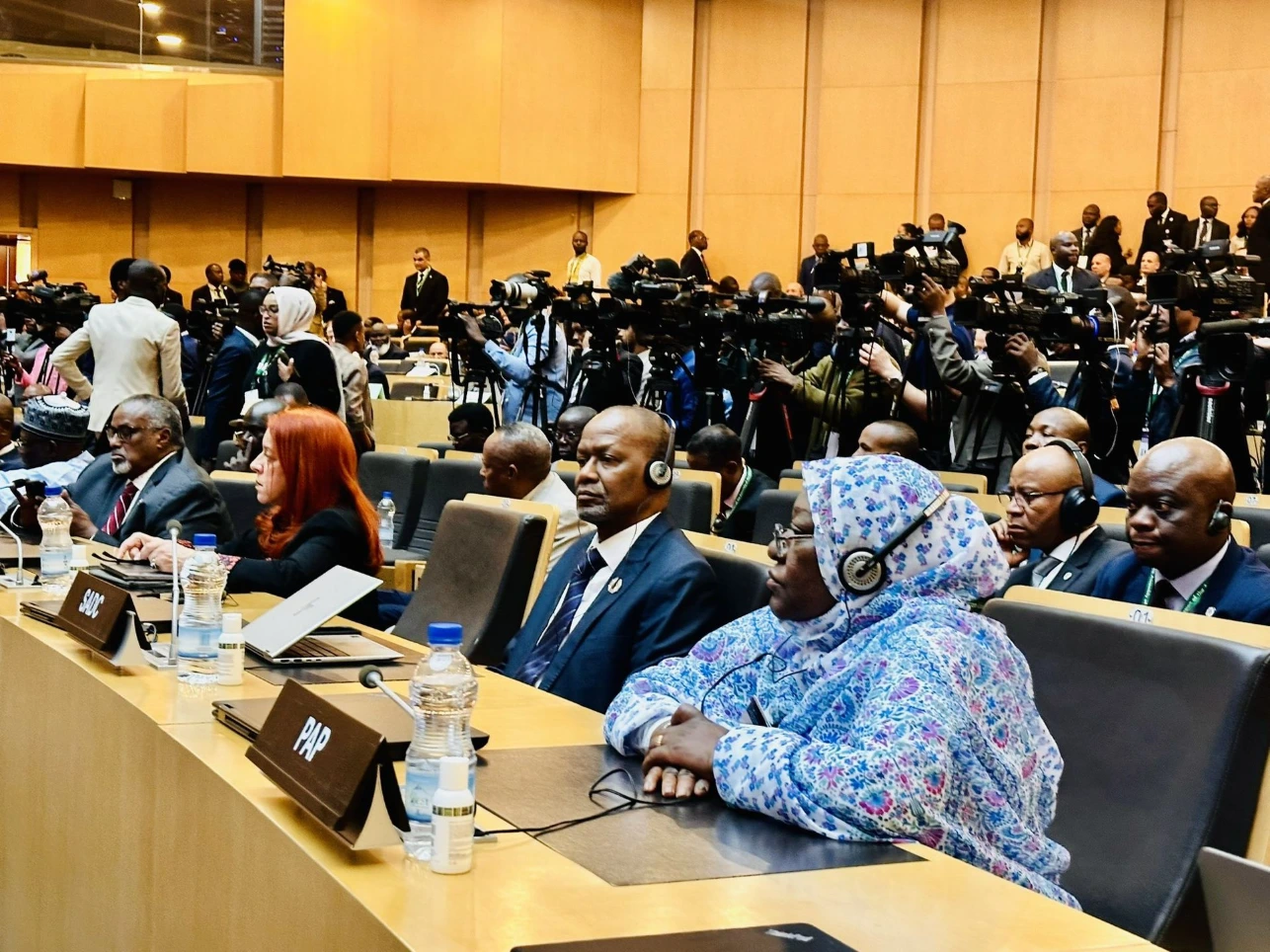
SADC has thrown its significant economic weight behind NAFA, emphasizing that Regional Economic Communities (RECs) must lead in structuring "bankable" projects.
South Africa’s Afreximbank Milestone: South Africa’s accession to the Afreximbank Agreement this February unlocked a $8 billion Country Programme, signaling a move toward domestic resource mobilization.
SME Growth: The SADC SME Development and Competitiveness Strategy (2025–2029) recognizes that large-scale diplomacy must reach the small-scale trader to be effective.
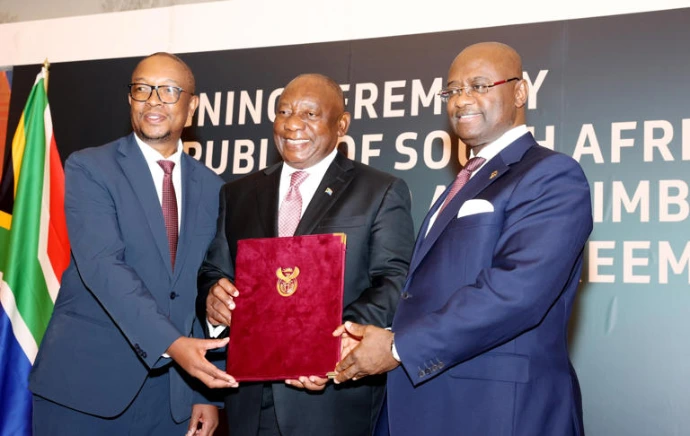
President Cyril Ramaphosa witnessing the signing of the Instrument of Accession, marking South Africa’s transition to Class A shareholder status.
Inter-REC leadership and the security margins
Perhaps the most significant structural shift was SADC assuming the Chairpersonship of the Inter-RECs/RMs Platform for 2026. This positions the bloc to lead coordination between Africa’s regional bodies, a necessity for the AfCFTA.
On the margins of the summit, SADC’s "quiet diplomacy" addressed security developments in the DRC, Cabo Delgado (Mozambique), and Madagascar. The deployment of a SADC Emergency Response Team (ERT) to Toamasina following the cyclone serves as a real-time demonstration of this integrated approach.
Agenda 2063 and regional industrialization
As the 2026 SADC Sustainable Energy Week opens in Victoria Falls, the focus shifts to clean energy as a driver of growth. The upcoming SADC Council of Ministers in March will be the litmus test for these ambitions.
To sustain this progress, policy makers must:
Scale the Tripartite Simplified Trade Regime (TSTR) for faster cross-border trade.
Implement NAFA frameworks to reduce dependence on external lenders.
Prioritize geospatial monitoring for disaster resilience across the EAC, SADC, and COMESA.